How Wide Should a Chandelier Be Relative to the Width of the Dining Table?
Introduction
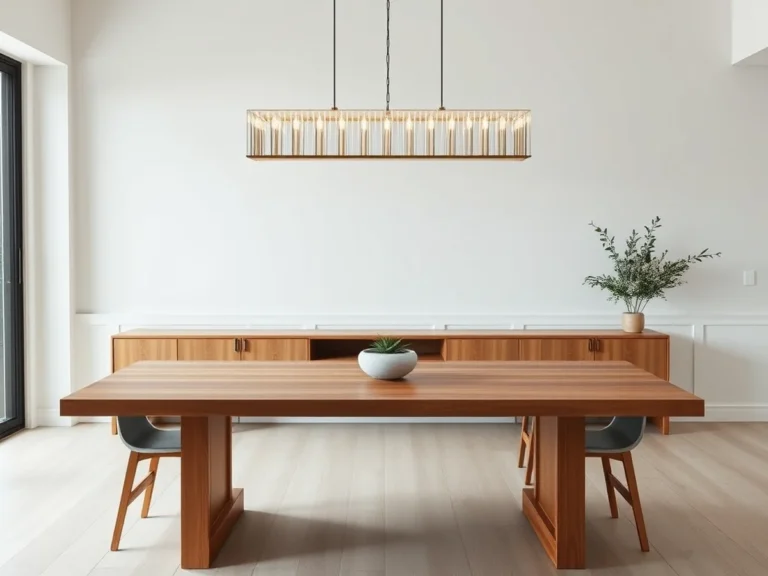
The ideal chandelier width for dining table setups is typically one-third to one-half the width of your dining surface. Selecting the correct chandelier width for dining table placement ensures your room feels balanced rather than overwhelmed or sparse.
This article provides actionable guidelines for achieving proper interior design scale. You will learn how to calculate fixture diameter based on your room dimensions and discover common industry practices for long dining tables. We also address essential placement details, such as the verified recommendation that the bottom of the chandelier should be about 30 to 36 inches above the dining table surface. By applying these standards, you can confidently choose lighting that enhances your everyday aesthetic while maintaining functional, comfortable proportions for your home.
Selecting the Right Scale for Your Dining Space
A chandelier should typically measure about one-half to two-thirds the width of your dining table to maintain a balanced look. This proportion ensures the lighting fixture serves as a cohesive focal point rather than overwhelming the space or appearing undersized.
Lighting plays a transformative role in dining room aesthetics, acting as the primary anchor for the entire area. Beyond providing necessary illumination, the fixture defines the mood and highlights the table as the heart of the room. When the scale is off, even the most beautiful piece can feel disjointed from your decor.
Achieving proper interior design scale requires careful attention to how your light fixture interacts with your existing furniture. If the diameter is too small, the room may feel cavernous and incomplete. Conversely, a fixture that is too wide can obstruct views and create a cluttered atmosphere. Balancing these proportions is essential for both daily functionality and the visual flow of your home.
To ensure your space feels intentional, consider these primary factors:
- The physical footprint of your dining table dimensions.
- The overall size of the room, which can be estimated by adding the room width and length in feet to determine the ideal diameter in inches.
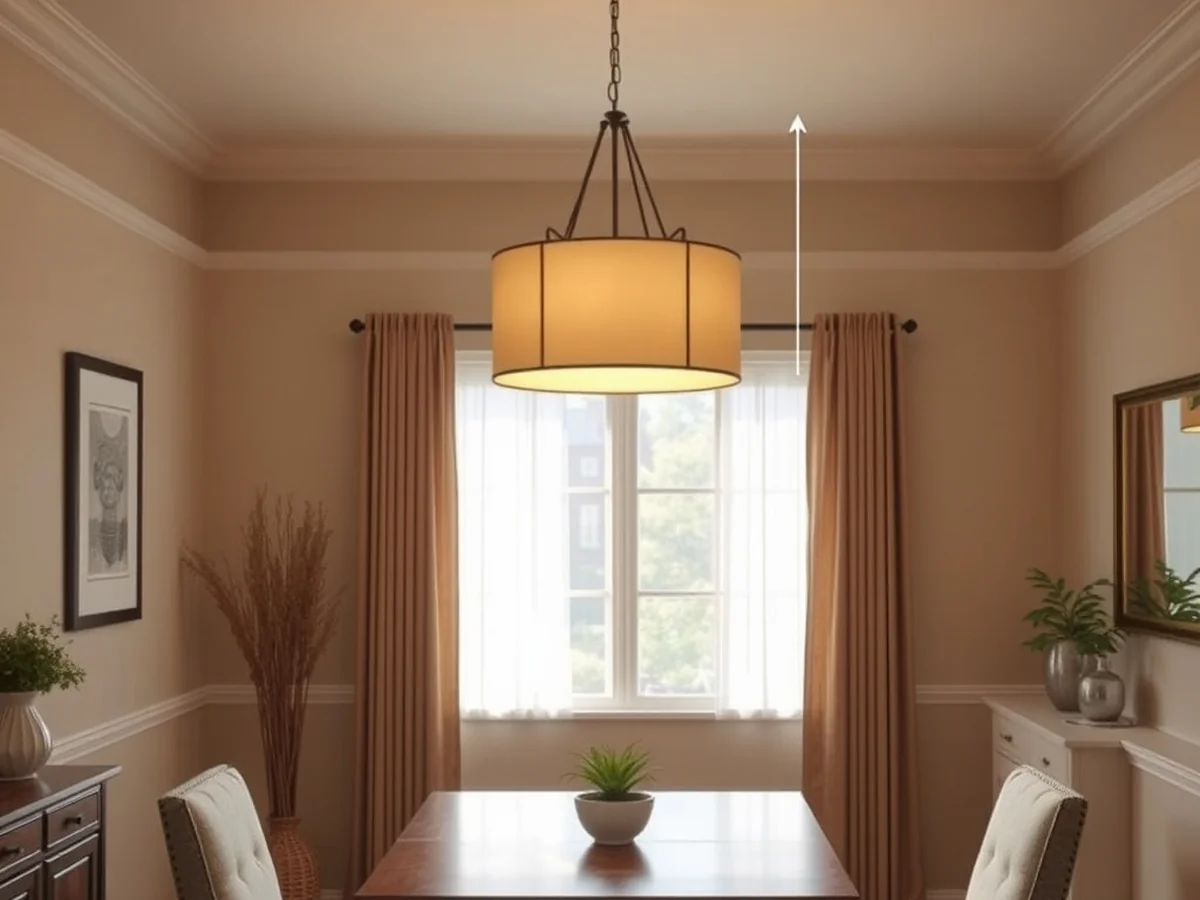
- The vertical clearance, keeping in mind that the bottom of the chandelier should be 30 to 36 inches above the dining table surface.
By prioritizing these measurements, you bridge the gap between practical utility and sophisticated style. Thoughtful placement turns a simple lighting choice into a deliberate design statement that enhances your dining experience.
Calculating Ideal Fixture Diameter
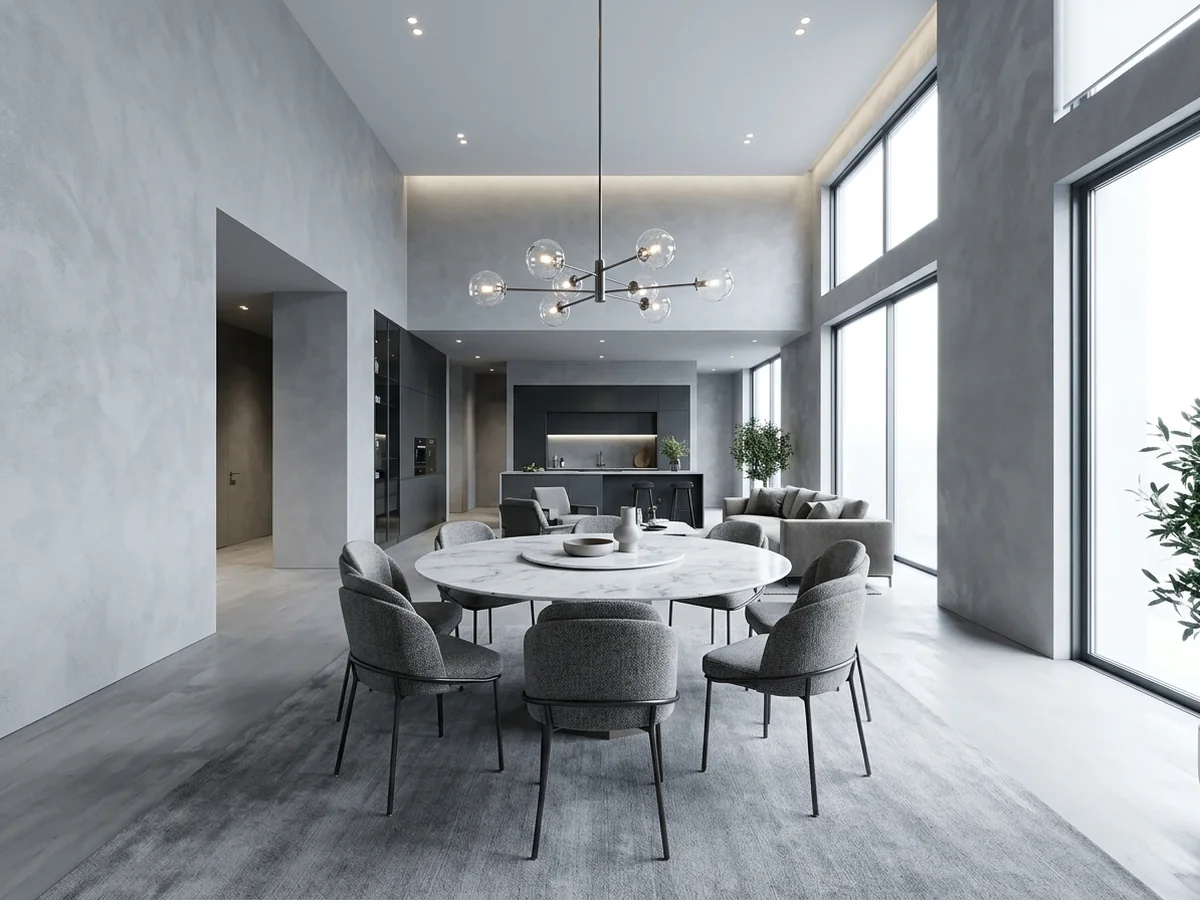
To determine the appropriate size for your light, add the room length and width in feet to get the result in inches. This calculation provides a helpful starting point when assessing how a fixture will inhabit the space, ensuring the scale feels intentional rather than accidental.
While this room-based formula offers a foundational measurement, it serves as a global guide for the entire area. Because dining rooms often feature specific focal points like a large table, you must also consider how the fixture diameter relates to the furniture underneath. If a light is too small, it may look lost in a large room, but if it is too massive, it can overwhelm the table surface and disrupt the visual balance of the dining arrangement.
Interior design scale relies on the harmony between these two distinct measurements. You want to avoid choosing a piece that satisfies the room dimensions but clashes with the proportions of your table. Always remember that the goal is to create a cohesive look that anchors the dining area.
When applying these rules, keep in mind that the light’s height is equally important for comfort and functionality. According to official standards, the bottom of the chandelier should be about 30 to 36 inches above the dining table surface. Maintaining this vertical clearance ensures the fixture remains a functional light source while keeping your sightlines clear during meals. By balancing the total room scale with the specific needs of your dining table, you can confidently select a fixture that elevates the entire aesthetic of your home.
Matching Width to Table Length
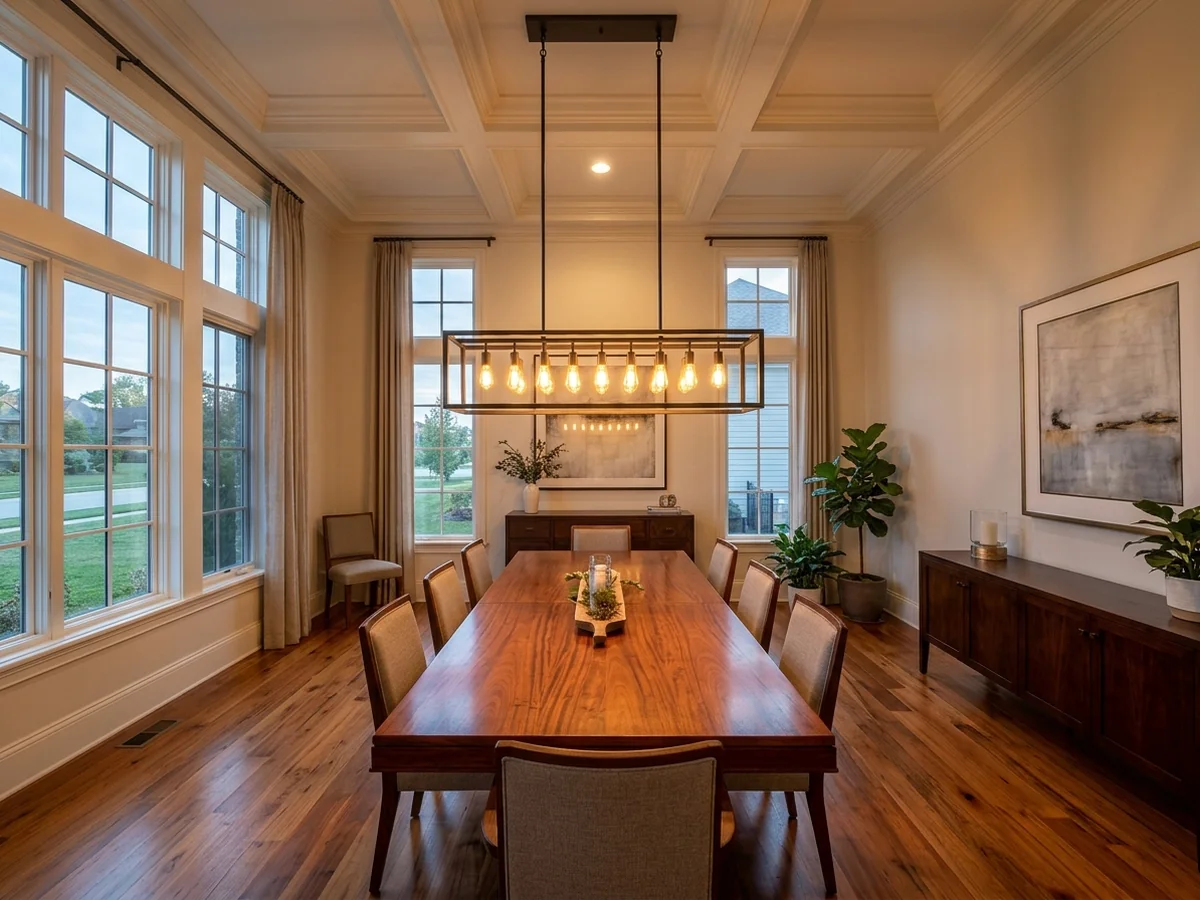
For rectangular tables, the fixture diameter should generally be between one-half and two-thirds of the total table length to maintain proper interior design scale. This proportion creates a balanced look that grounds the dining area without overwhelming the space. Another way to approach this is by adding the room width and length in feet to determine the ideal fixture diameter in inches.
| Table Length (inches) | Recommended Diameter Range (inches) |
|---|---|
| 60 | 30 to 40 |
| 72 | 36 to 48 |
| 84 | 42 to 56 |
| 96 | 48 to 64 |
When you are uncertain about the right choice, opting for a larger fixture is often the better design decision. A light that is slightly too large usually feels grand and intentional, whereas a piece that is too small can look lost or out of place above a long surface. For a standard 84 inch table, selecting a light in the 42 to 56 inch range is a common starting point for achieving this desired impact.
Ensure the bottom of your chosen chandelier is 30 to 36 inches above the surface of the dining table to maintain comfortable sightlines. While these guidelines provide a helpful framework, remember that the final chandelier size for dining table selections should complement your room dimensions and personal aesthetic preferences.
Linear Versus Single Fixtures
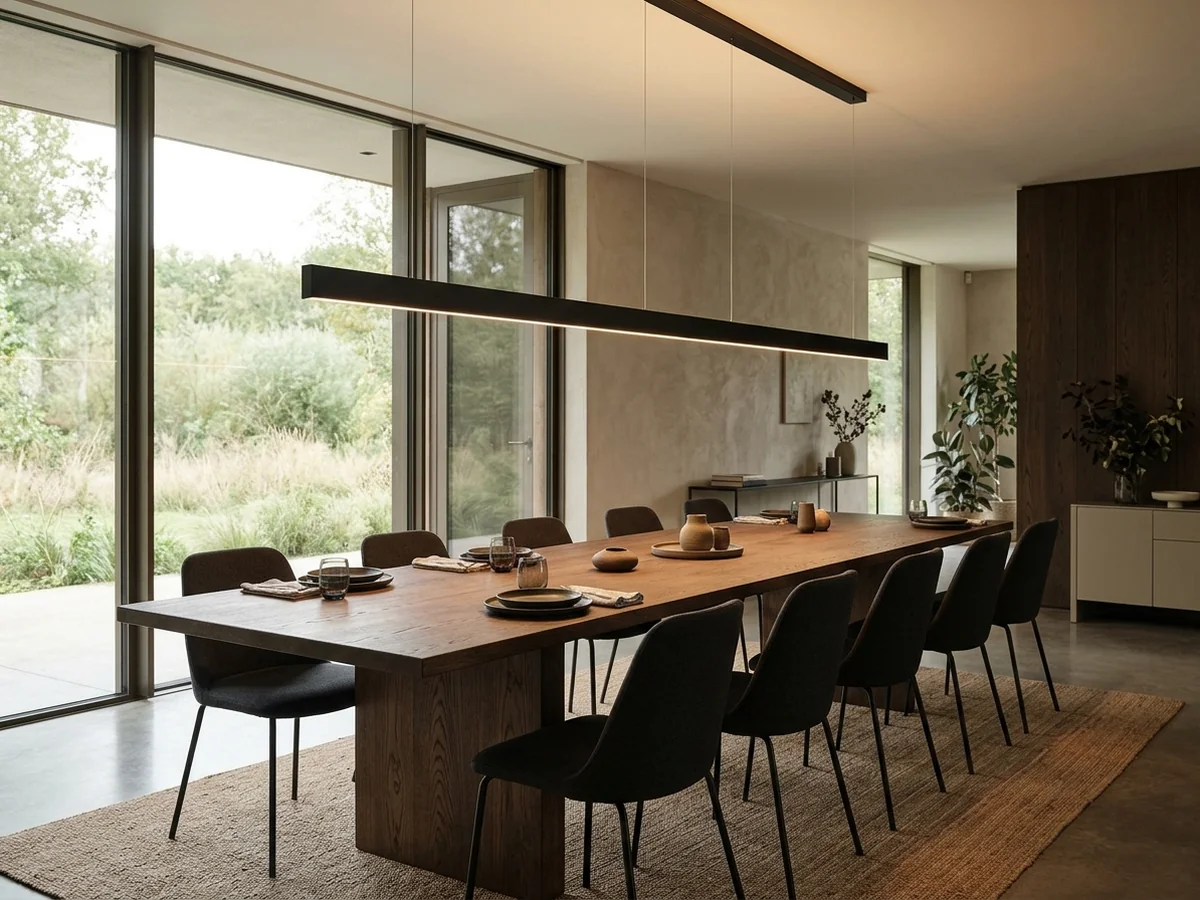
Choosing between linear chandeliers and single-point fixtures is a pivotal decision when establishing proper dining room light fixture proportions. Linear chandeliers are typically the superior choice for long or rectangular dining tables. Because these fixtures span a significant portion of the table length, they provide uniform light distribution, effectively illuminating the entire surface. In contrast, a single-point fixture often creates a spotlight effect that leaves the ends of an elongated table in shadow, disrupting both the utility and the visual balance of the space.
| Fixture Type | Best For | Light Distribution |
|---|---|---|
| Linear | Long or rectangular tables | Uniform and balanced |
| Single point | Round or square tables | Focused and centered |
When selecting your lighting, consider the visual weight of the frame. A solid, drum-style shade commands more attention and can feel heavy, whereas an open, airy multi-point arrangement offers a lighter aesthetic. Regardless of the style, maintenance of vertical space is essential. According to guidelines from the University of Montana, the bottom of the chandelier should be about 30 to 36 inches above the dining table surface. This height ensures the light does not obstruct views or create uncomfortable glare for seated guests.
A common mistake is selecting a fixture that is too small for the table length. For a standard rectangular dining table of 84 inches, a chandelier in the 42 to 56 inch range is a common starting point. If you find yourself debating between two different sizes, designers often suggest leaning toward the larger option to ensure the piece grounds the room effectively. Remember that your choice should complement the overall dining table dimensions, as an undersized fixture can make a large table feel disconnected and floating within the room.
Ideal Chandelier Width Ratio
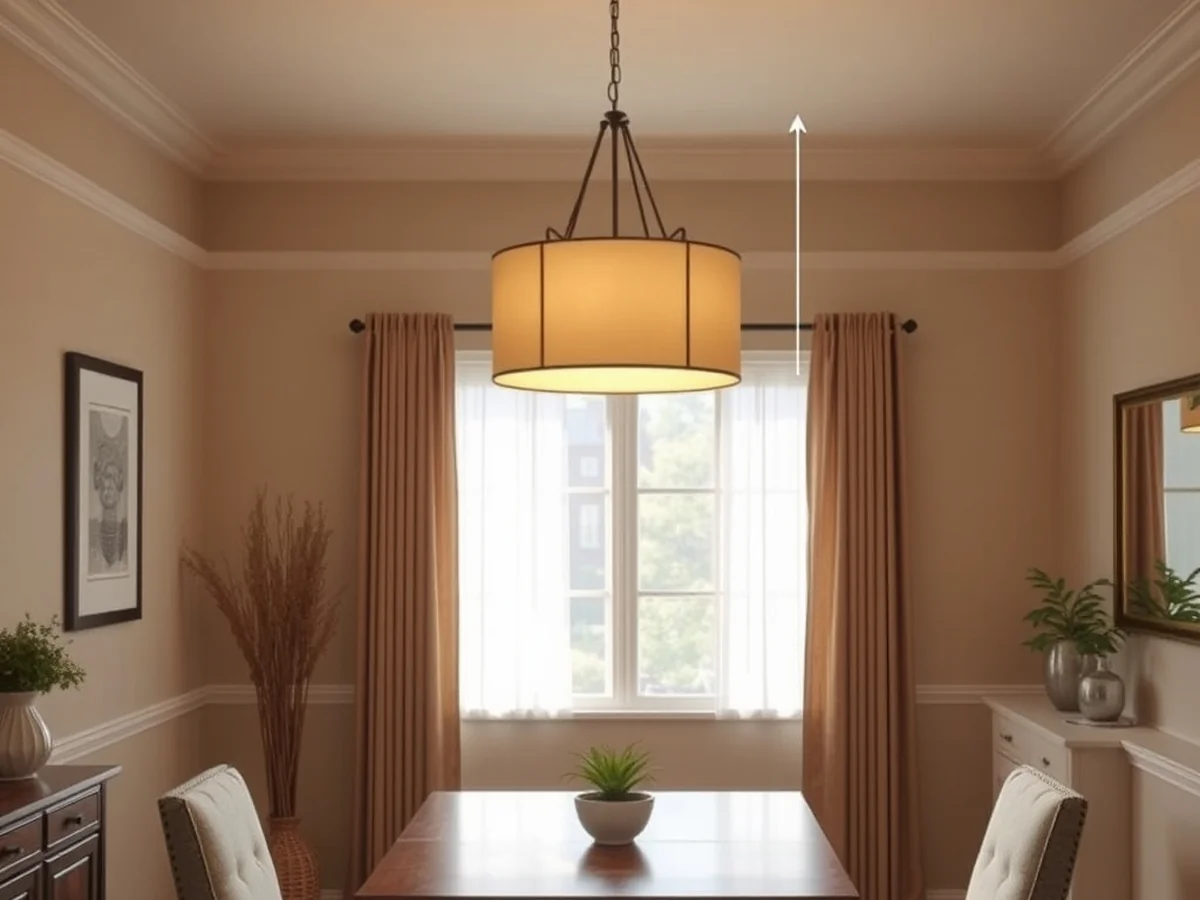
To determine the correct chandelier width for dining table aesthetics, a reliable method is to add the length and width of the room in feet and convert that sum into inches. For instance, a 10 by 12 foot room suggests a fixture diameter of roughly 22 inches. This calculation serves as a foundational starting point for balancing the scale of the light fixture with your overall room dimensions.
When selecting your lighting, consider the length of your dining table as well. A common guidance for an 84 inch long table is to choose a fixture ranging from 42 to 56 inches in width. If you find yourself choosing between two sizes, opting for the larger piece often creates a more impactful look in larger dining spaces.
Proper vertical placement is just as critical as diameter for both safety and comfort. It is a verified rule that the bottom of the chandelier should be about 30 to 36 inches above the dining table surface. This placement ensures the fixture provides ample illumination without obstructing sightlines during meals.
Adjustments may be necessary depending on your specific environment:
- If you have a high ceiling height, you might consider mounting the fixture slightly higher to maintain visual balance, though keeping within the standard range is generally recommended to preserve the light quality on the table surface.
- In households with tall individuals, prioritize the upper end of the 36 inch clearance to prevent accidental contact while standing or moving around the table.
- Ensure the fixture width leaves at least 6 to 12 inches of space from the edges of the table to prevent the piece from feeling cramped or overwhelming.
Common Proportional Mistakes
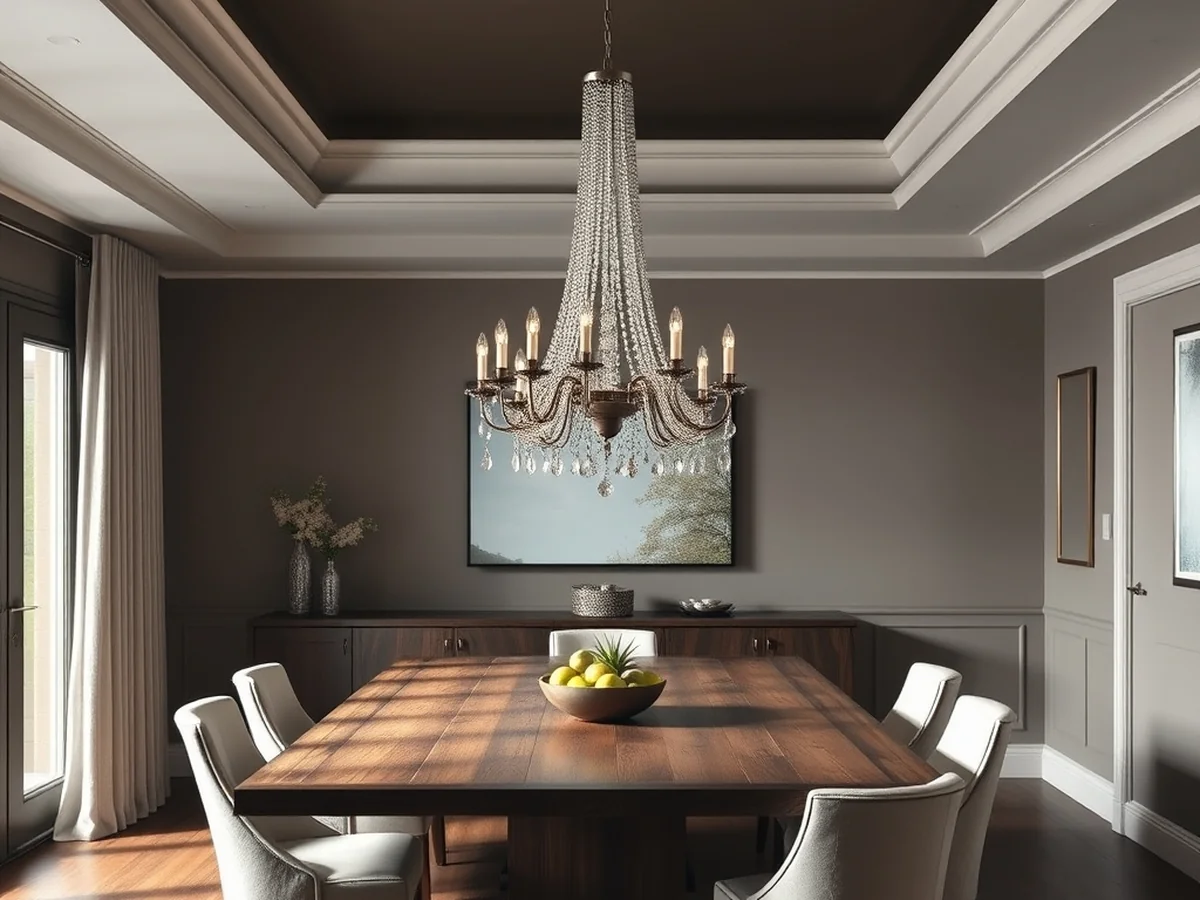
The most frequent errors in selecting light fixtures stem from misjudging the scale of the piece relative to the furniture and the surrounding space. When you prioritize style over geometry, you risk creating a disjointed look that fails to anchor the room.
Consider these common pitfalls to ensure your final selection enhances the dining area rather than disrupting its visual balance:
- Choosing a fixture that is too small often results in the piece appearing lost or insignificant, especially in rooms with high ceilings or expansive dining table dimensions.
- Overpowering a narrow table with a fixture that is too wide can make the space feel cluttered and visually heavy, often impeding the comfort of those seated below.
- Failing to consider the overall room dimensions ignores the fact that a light fixture should harmonize with the total area of the space, not just the tabletop.
- Relying solely on visual intuition without checking the math can lead to dramatic miscalculations regarding the necessary fixture diameter.
- Ignoring the physical connection between the table and the light, such as forgetting that the bottom of the chandelier should be about 30 to 36 inches above the dining table surface, compromises both function and aesthetics.
While personal preference plays a role in interior design, ignoring these foundational rules of scale typically leads to a space that feels off-balance. Always verify that your choice respects the physical limitations of the room and the specific proportions of your furniture before committing to a final purchase.
Table Shape Considerations
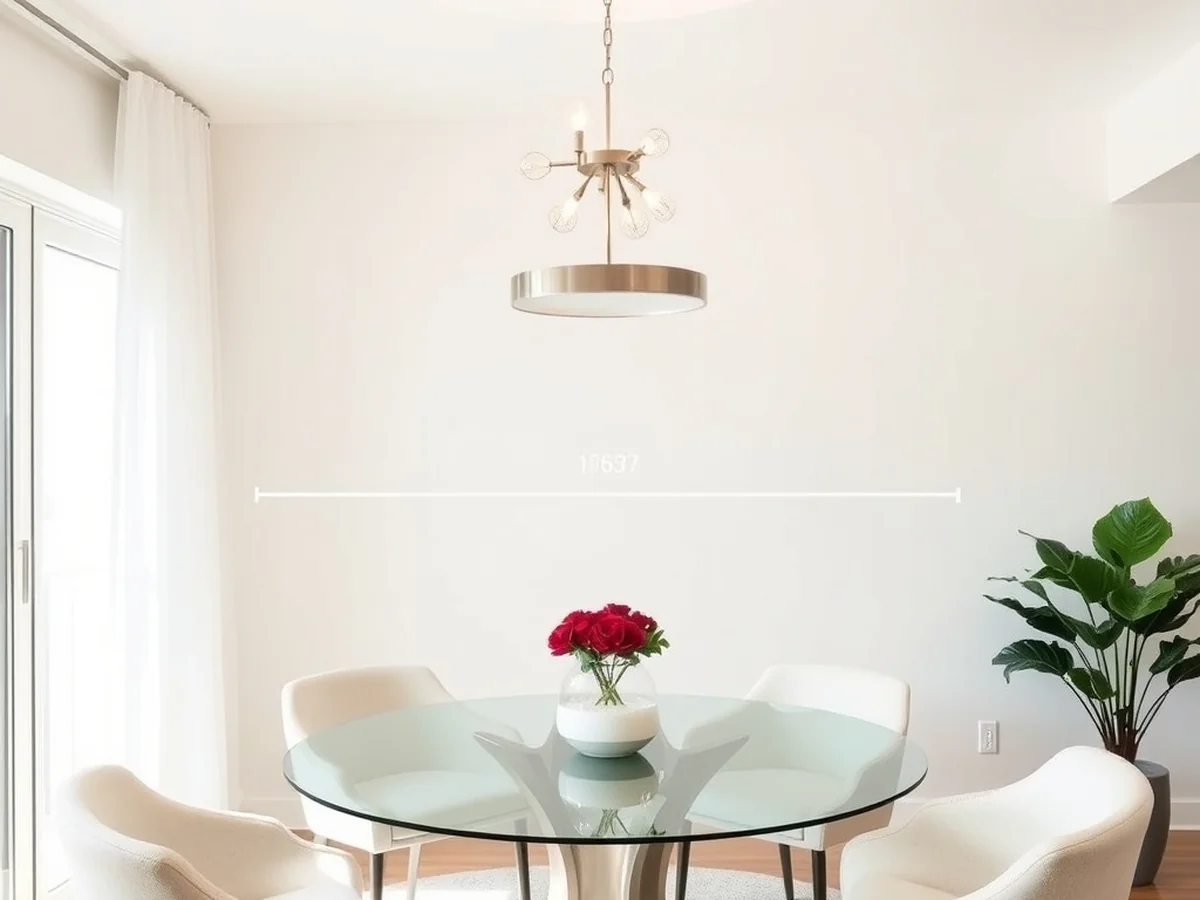
For round and oval furniture, the fixture diameter should ideally measure one half to two thirds of the table diameter to maintain balanced proportions. While rectangular pieces often utilize linear fixtures that span a larger percentage of the surface, round tables benefit from a centered, circular light source that mimics their organic silhouette.
When selecting a piece for an oval table, treat the length of the table as your primary guide for the overall scale. A round fixture centered over an oval surface provides a soft, cohesive look, whereas a linear design can echo the elongated shape of the furniture. Regardless of the shape, ensure the fixture diameter never exceeds the narrowest width of the surface to prevent the light from overwhelming the dining table dimensions.
Symmetry remains a key principle in achieving a polished interior design scale. Centering your light fixture is critical, as any misalignment will disrupt the visual balance of the room. Always confirm that the fixture hangs directly over the center point of the surface to ensure even illumination across all place settings.
- Measure the diameter of round tables to calculate the appropriate fixture size.
- Use the total length of oval or rectangular tables to guide the selection of linear designs.
- Prioritize center placement to ensure balanced lighting for every guest.
- Verify that the bottom of the piece sits 30 to 36 inches above the surface for optimal clearance.
Sizing Tips for Tables
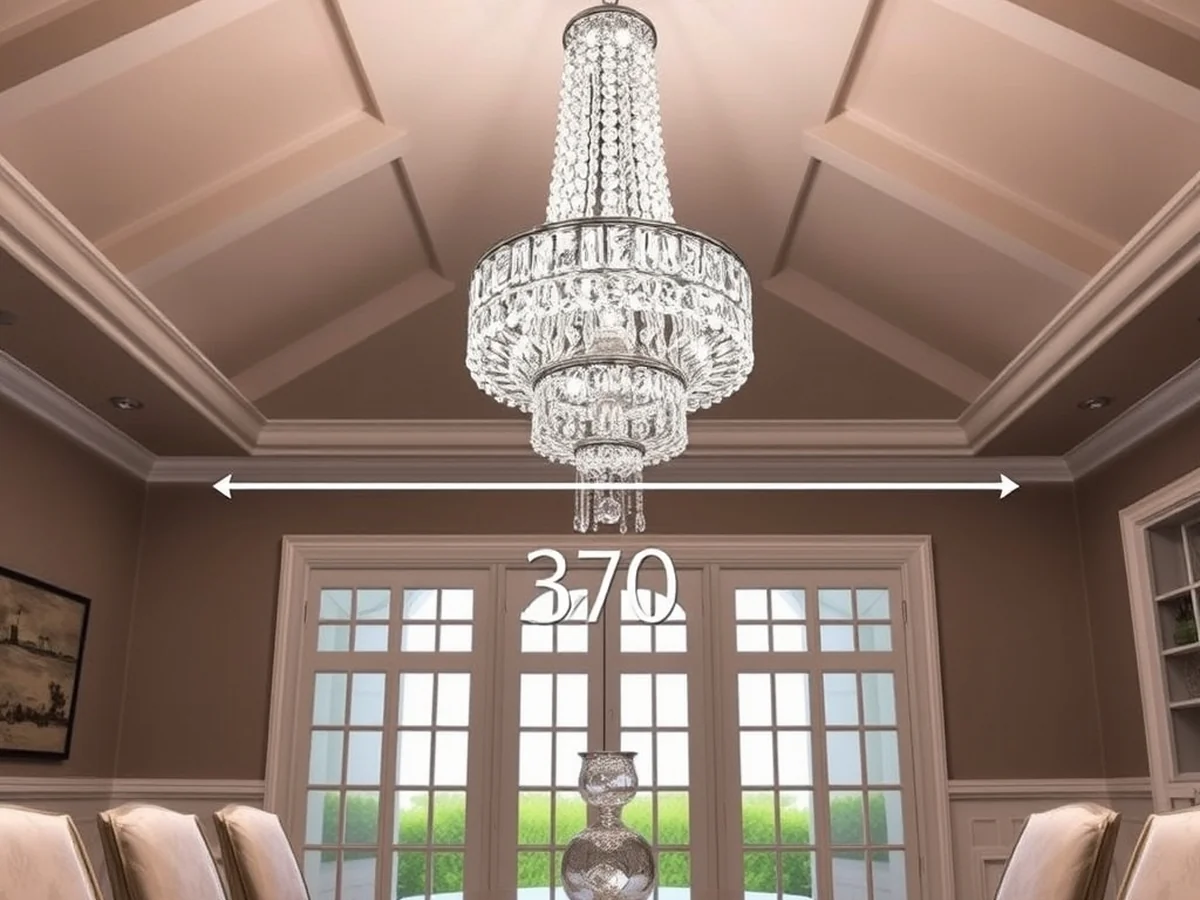
Adjusting the scale of your lighting requires careful consideration of your room architecture and structural capabilities. When dealing with high or sloped ceilings, prioritize the vertical clearance to maintain visual balance. According to the University of Montana, the bottom of the fixture should be about 30 to 36 inches above the dining table surface. This range ensures that the light source remains functional while preserving the intended atmosphere of the room.
Extra high ceilings often require longer stems or chains to bridge the gap between the fixture and the mounting point. If your electrical box is not positioned correctly, you may need to involve a professional to reroute the wiring or install a ceiling medallion to hide necessary adjustments. Avoid forcing a heavy or oversized piece into a space that lacks the proper structural support, as the safety of your mounting point is paramount.
Balancing dramatic aesthetic choices with technical constraints is a common challenge in interior design. If you select a heavy or intricate light fixture, verify that your junction box is rated to support the weight. You should focus on these key considerations for complex spaces:
- Ensure the fixture diameter follows the general rule of adding the room width and length in feet to determine the size in inches.
- Use a lightweight alternative if the ceiling structure cannot support a heavy chandelier.
- Prioritize professional installation when structural changes to the electrical layout are required.
- Maintain the recommended 30 to 36 inch clearance from the tabletop regardless of how high your ceiling extends.
When in doubt, remember that proportions matter more than strict adherence to trends. A well-proportioned piece will always look better than one that overwhelms your dining area.
Determining Ideal Chandelier Width
To find the right chandelier width for a dining table, a common practice is to ensure the fixture is about one-half to two-thirds the width of your table. This proportion creates a balanced look that anchors the dining space without overwhelming it. For a rectangular dining table of 84 inches long, a chandelier in the 42 to 56 inch range is a common starting point for designers.
When you are unsure which size to choose, interior design scale suggests leaning toward the larger option. A fixture that is slightly too big often feels like a intentional design statement, whereas a light that is too small can look lost or disconnected from the table below. If you have a particularly long table, consider using a linear chandelier or two smaller fixtures placed in a row to maintain proper proportions across the entire length of the surface.
Beyond the width, remember that the vertical placement is just as important for visual harmony. The bottom of the chandelier should be about 30 to 36 inches above the dining table surface. Following this measurement ensures the light illuminates your meal effectively while keeping the fixture out of your line of sight during conversation. While these guidelines provide a solid foundation, always consider the weight and visual density of the light fixture diameter, as open-frame or glass designs may appear lighter than solid metal pieces even when they share the same physical dimensions.
FAQ
How do I calculate the chandelier size for a room?
A general rule for chandelier diameter is to add the room width and length in feet to get the size in inches. For example, a room that is 10 feet by 12 feet would ideally accommodate a fixture with a diameter of approximately 22 inches.
Should I prioritize table width or room size?
Prioritize the dining table dimensions first, as the chandelier should directly relate to the scale of the furniture beneath it. Once you establish a range based on the table, ensure the resulting size also feels proportional to the overall volume of the room.
Does table shape change the light fixture proportions?
Yes, round tables typically look best with a round or square chandelier, while rectangular or oval tables often benefit from linear light fixtures. Aligning the shape of the light with the silhouette of the table helps create a cohesive aesthetic in your dining area.
What if my ceiling height is very high?
Higher ceilings allow for larger, more dramatic fixtures, but you must still maintain the recommended 30 to 36 inch clearance above the table surface. You can use longer chains or downrods to bridge the gap between the ceiling and the table while keeping the chandelier at an effective height.
Conclusion
Determining the ideal chandelier width for dining table aesthetics relies on balancing mathematical formulas with the specific dimensions of your furniture and room. Once you have calculated the appropriate diameter for your space, verify that your chosen fixture allows for 30 to 36 inches of clearance above the table surface to ensure both functionality and visual comfort. If you find yourself choosing between two sizes, designers often suggest opting for the larger scale to create a more impactful centerpiece. Measuring your area and testing the visual weight before installation remains the most reliable next step to achieving a balanced look.
Sources: cehsweb.health.umt.edu
You might also like: Minimum Room Width Needed to Accommodate a 42-Inch Wide Dining Table