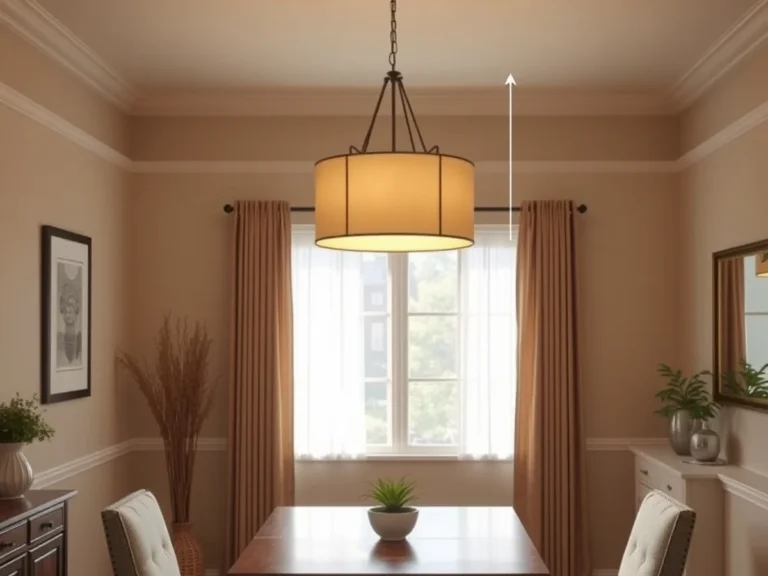
30-Inch to 36-Inch Rule: Measuring from Table Surface vs 8-Foot Ceilings
Introduction
The standard height for a chandelier above a dining table is 30 to 36 inches. Adhering to this chandelier 30 to 36 inch rule ensures the fixture provides optimal illumination without obstructing the view or creating glare for diners.
This article covers the technical standards for positioning dining room lighting, including how to adjust measurements for rooms with ceilings taller than 8 feet. You will learn the difference between measuring from the tabletop surface versus the ceiling, along with practical tips for maintaining proper clearance in high-traffic areas. Whether you are installing a new fixture or adjusting an existing one, these guidelines help you achieve a balanced look that is both functional and aesthetically pleasing for your daily dining space.
Understanding Chandelier Height Rules
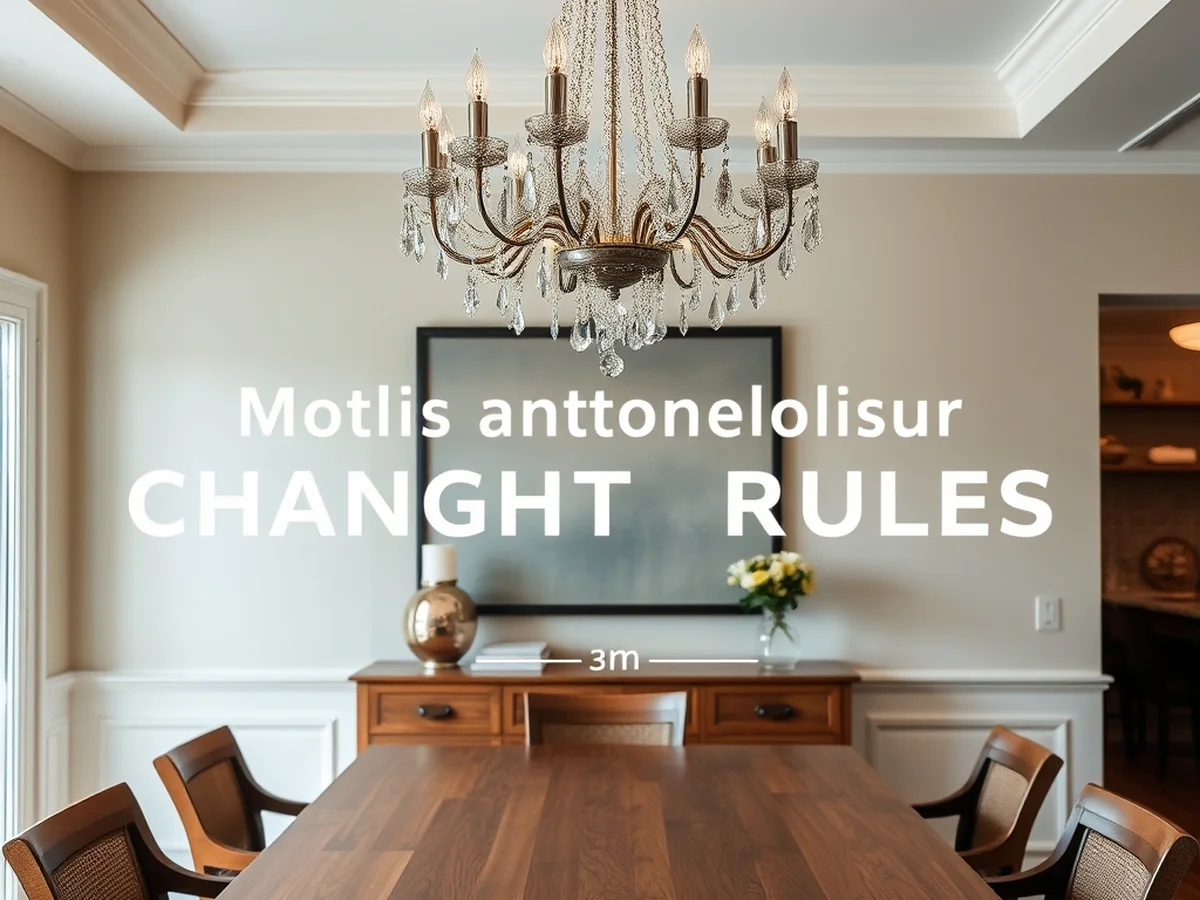
The standard height for a chandelier above a dining table is 30 to 36 inches. This measurement is taken from the bottom of the light fixture to the top surface of your dining table.
Maintaining this specific range ensures that your lighting serves both a functional and aesthetic purpose. When a fixture hangs within this window, it provides focused illumination for your meal without obstructing the view of guests seated across from one another. Precision in this placement is key to achieving a balanced look that grounds the dining area.
If you hang the piece too high, the light may feel disconnected from the table, creating a cavernous or uninviting atmosphere. Conversely, positioning the light too low can create a cluttered visual space and lead to potential glare for those dining. Proper clearance ensures that the chandelier remains a focal point rather than a physical obstacle.
To determine how high to hang a chandelier over a dining table in your specific home, consider these essential factors:
- The total height of your ceiling, as standard measurements often shift for taller rooms.
- The scale of the fixture relative to the dimensions of your table.
- The need for a clear, unobstructed line of sight across the dining surface.
- The use of dimmers to adjust light intensity for different dining environments.
Light fixtures in dining areas should be centered directly over the middle of the table to ensure even light distribution. If your ceiling height exceeds 8 feet, it is common guidance to raise the fixture by approximately 3 inches for every additional foot of ceiling height. Always prioritize a comfortable, glare-free experience for your guests when finalizing the installation height.
The 30 to 36 Inch Rule Explained
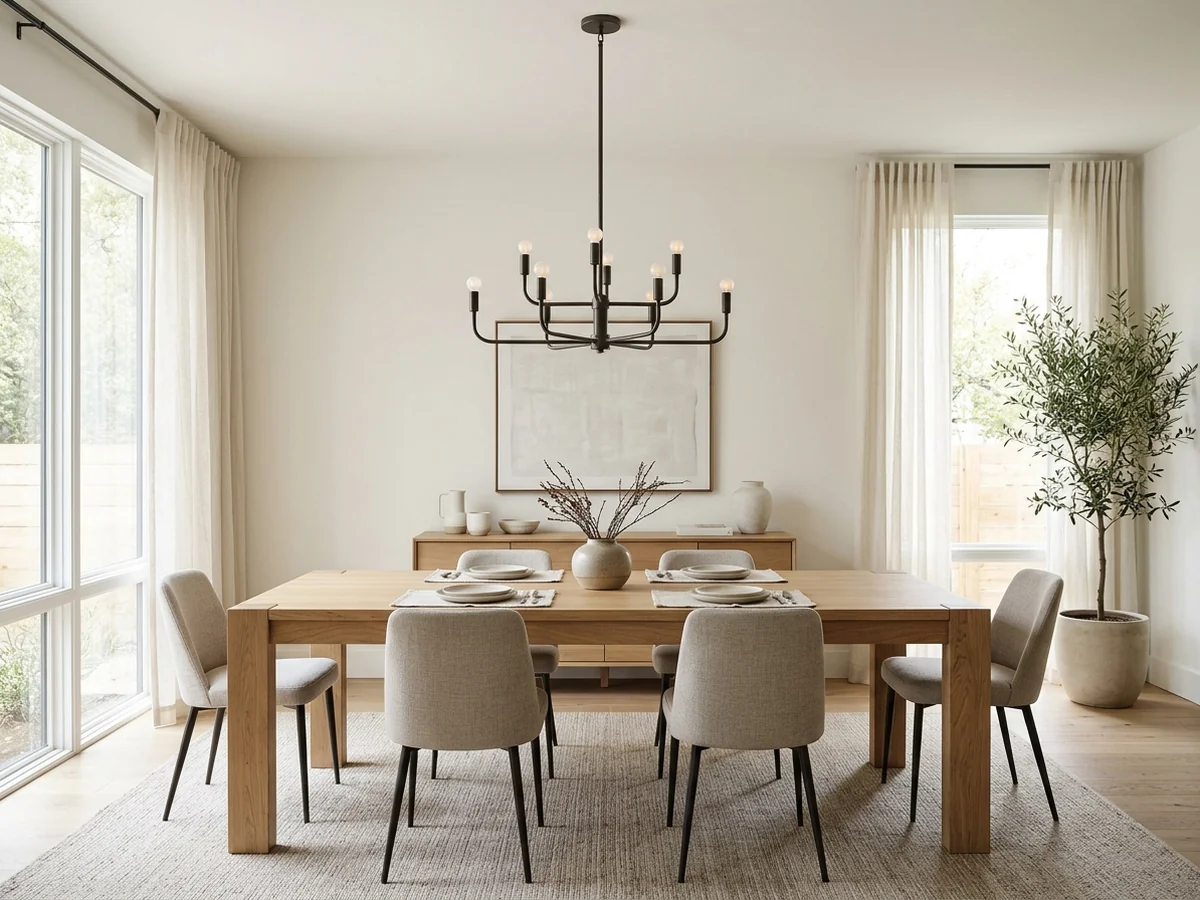
The standard height for a chandelier above a dining table is 30 to 36 inches. This measurement serves as the primary benchmark for achieving a balanced look in your dining area. By maintaining this distance, you ensure the fixture provides ample illumination for the tabletop while remaining high enough to avoid obstructing the view of guests across from one another.
When determining how high to hang a chandelier over a dining table, focus on the gap between the bottom of the fixture and the surface of the table itself. This specific span is the most reliable way to maintain visual proportion regardless of your ceiling height. Measuring from the table surface rather than the ceiling prevents errors caused by varying floor levels or uneven ceiling planes.
Consistency in this vertical spacing is essential for visual balance. If the light hangs too high, the room may feel disconnected and the table may appear underlit. Conversely, positioning the chandelier too low can create a cramped atmosphere and interfere with the comfort of diners. The 30 to 36 inch range effectively bridges the gap between functional task lighting and decorative ambiance.
Consider these factors when finalizing your installation:
- The bottom of the fixture must be measured from the top of the table surface for accuracy.
- Diners should be able to converse without the light source creating a visual barrier.
- Lighting should be centered directly over the middle of the table to maintain symmetry.
- Adjustable stems or chains help fine-tune this placement if your initial installation falls outside the recommended range.
While this measurement provides a solid foundation for most rooms, keep in mind that dining room lighting should ideally be positioned to avoid creating glare for people seated at the table. If you find that the light is too intense or hits at an uncomfortable angle, you can use dimmers to adjust the light intensity for different dining environments.
Adjusting for Ceiling Height
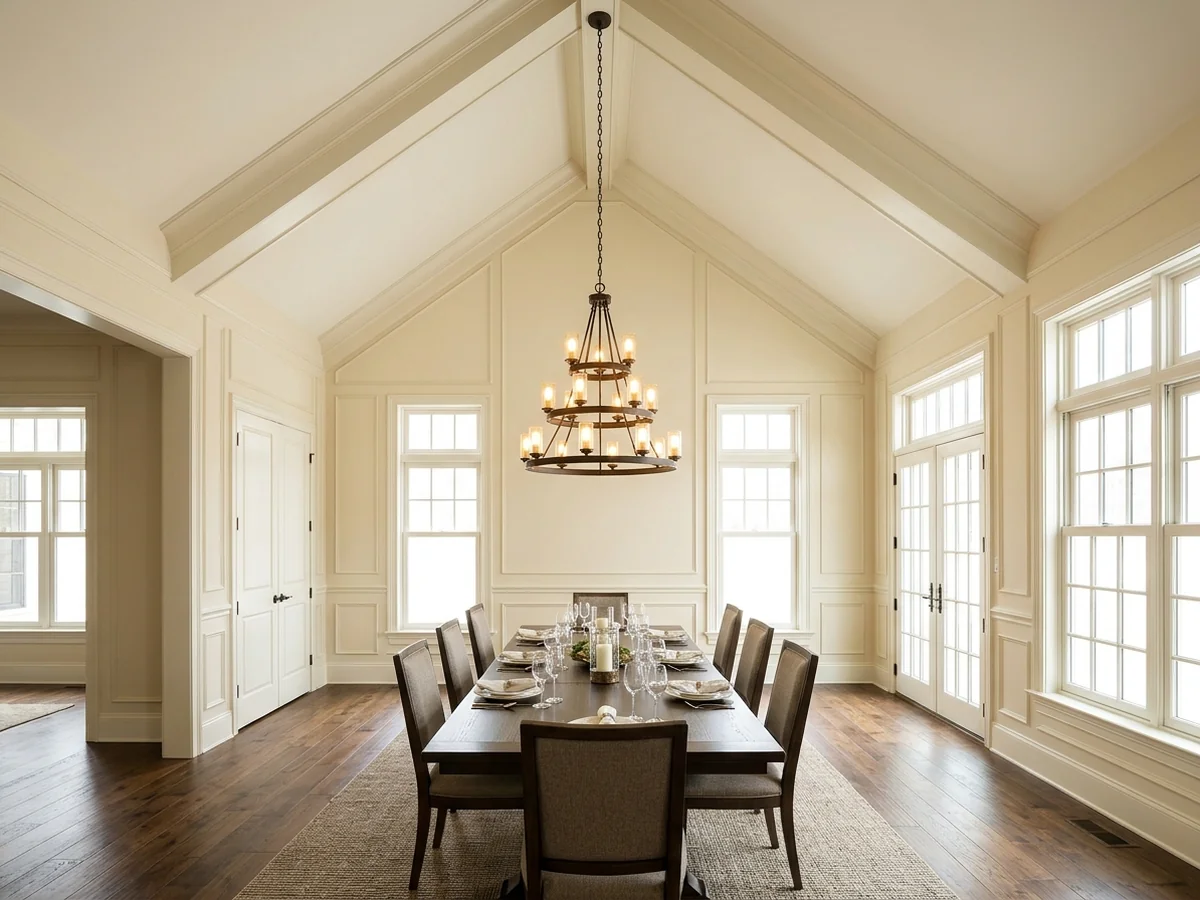
The standard height for a chandelier above a dining table is 30 to 36 inches. When ceilings exceed the standard 8-foot height, common guidance suggests raising the fixture by 3 inches for every additional foot of ceiling height to maintain proper visual balance and scale. This adjustment ensures the light fixture does not appear crowded or undersized within a larger vertical space.
Higher ceilings naturally draw the eye upward, creating a void that can make a standard-height chandelier seem detached from the dining area. By lifting the light, you preserve the proportional relationship between the furniture and the ceiling plane. This creates a cohesive look that prevents the fixture from feeling like it is floating too low in a tall room.
For a chandelier height for 9 foot ceiling scenarios, you should generally aim for a suspension point between 33 and 39 inches above the table surface. This calculation accounts for the extra foot of overhead space by adding the recommended 3-inch adjustment to the baseline range. Staying within this adjusted range helps keep the light centered over the table while respecting the increased volume of the room.
Maintaining this proportion is crucial for both aesthetic harmony and functional lighting quality. If a fixture hangs too low in a room with generous ceiling height, it may disrupt the room’s sense of openness. Conversely, keeping it too high can cause the light to disperse inefficiently, failing to provide the intended glow across the tabletop. Adjusting the suspension length based on your specific ceiling dimensions ensures the fixture complements the scale of your dining environment.
Sizing Rule for Dining Tables
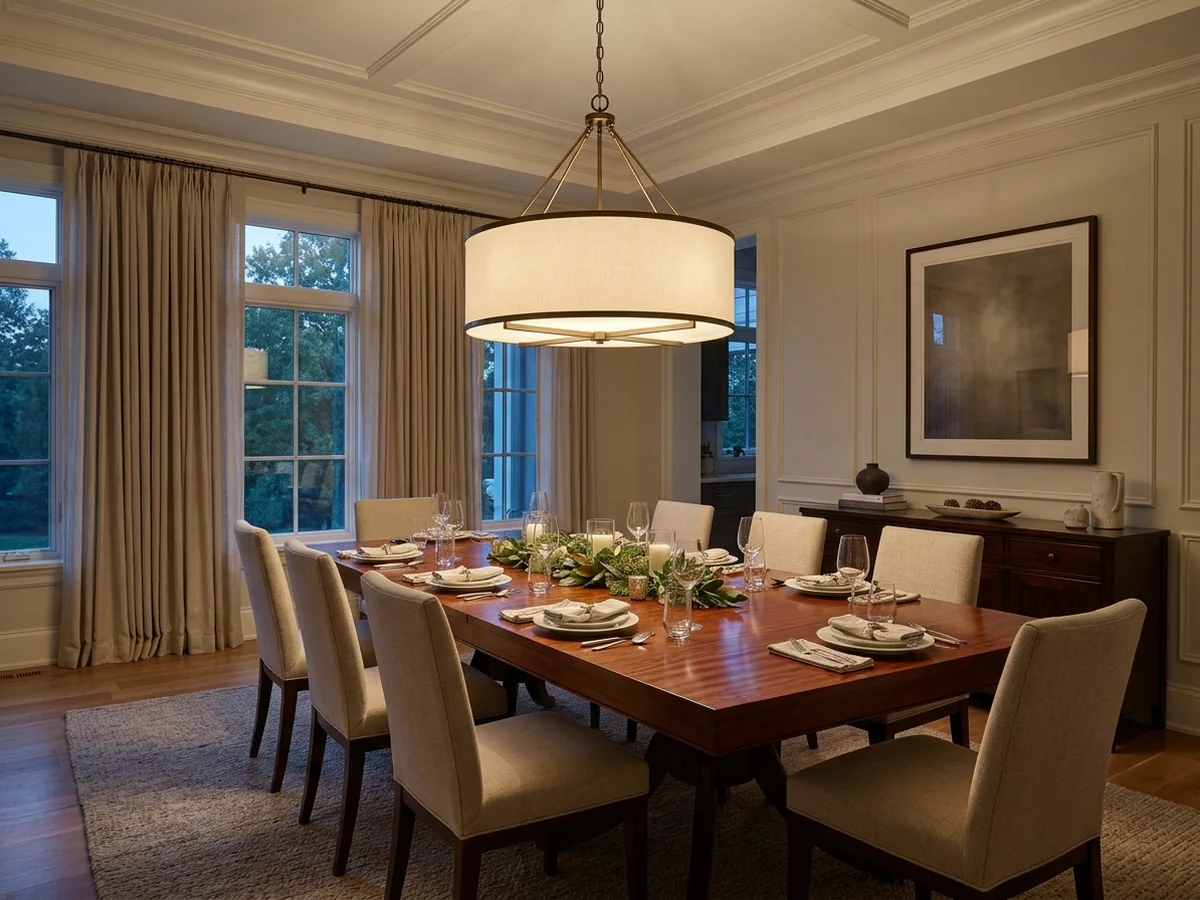
The standard height for a chandelier above a dining table is 30 to 36 inches. This measurement ensures the fixture provides adequate illumination while maintaining a comfortable visual balance with the dining table dimensions.
To determine the appropriate width for your fixture, a common calculation method involves adding the length and width of the room in feet and converting the sum to inches. For example, a 10 by 12 foot room suggests a diameter of approximately 22 inches. Beyond room size, it is common guidance that the light fixture should be at least 12 inches narrower than the width of the table itself to prevent an oversized look. For a 36-inch wide table, it is typical practice to select a chandelier between 18 and 24 inches in diameter.
| Feature | Standard Recommendation |
|---|---|
| Hanging Height | 30 to 36 inches above table |
| Diameter Calculation | Room length + width in feet (converted to inches) |
| Table Width Clearance | 12 inches narrower than table |
| 36-inch Table Fixture | 18 to 24 inches diameter |
When finalizing your layout, remember that light fixtures in dining areas should be centered directly over the middle of the table. If your ceiling height exceeds 8 feet, it is common guidance to raise the fixture 3 inches for every additional foot of height to maintain proper scale.
Managing Sloped and Vaulted Ceilings
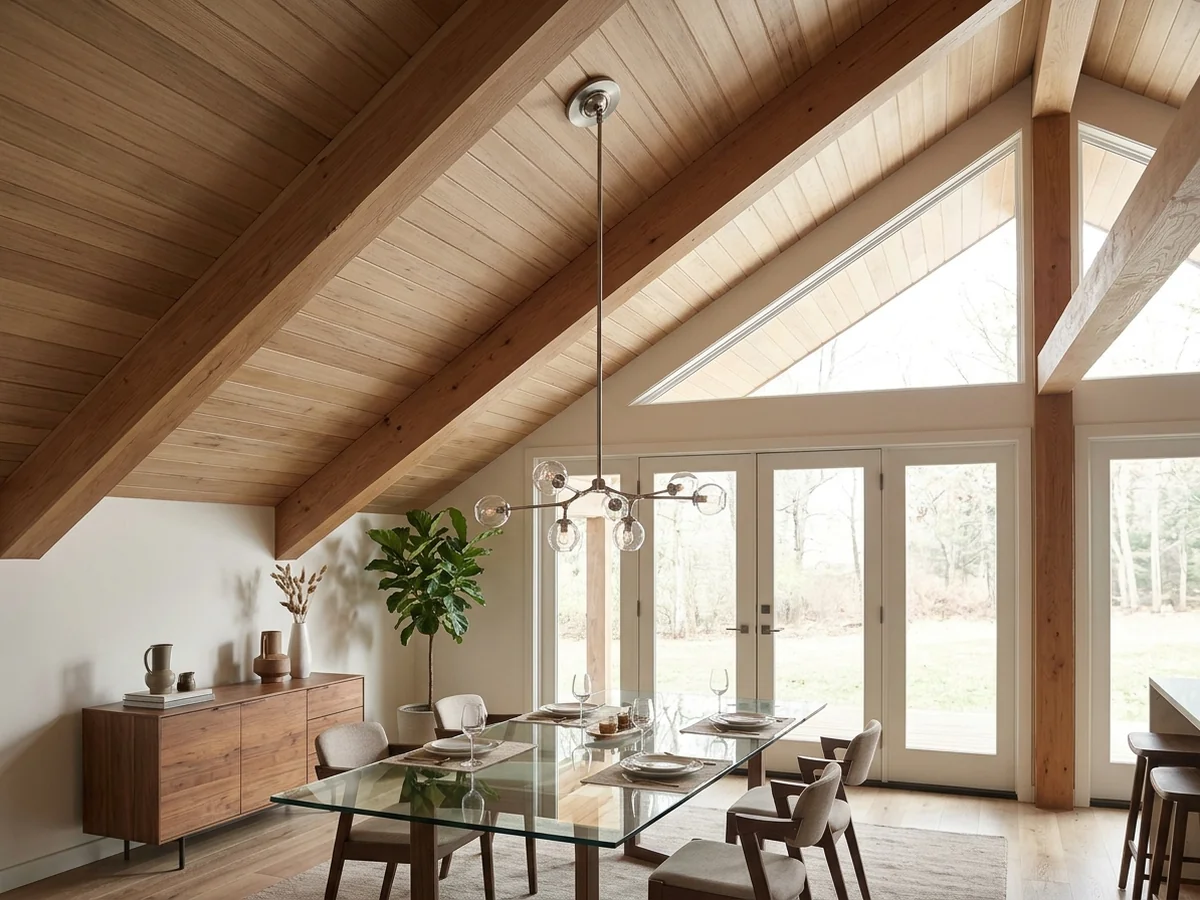
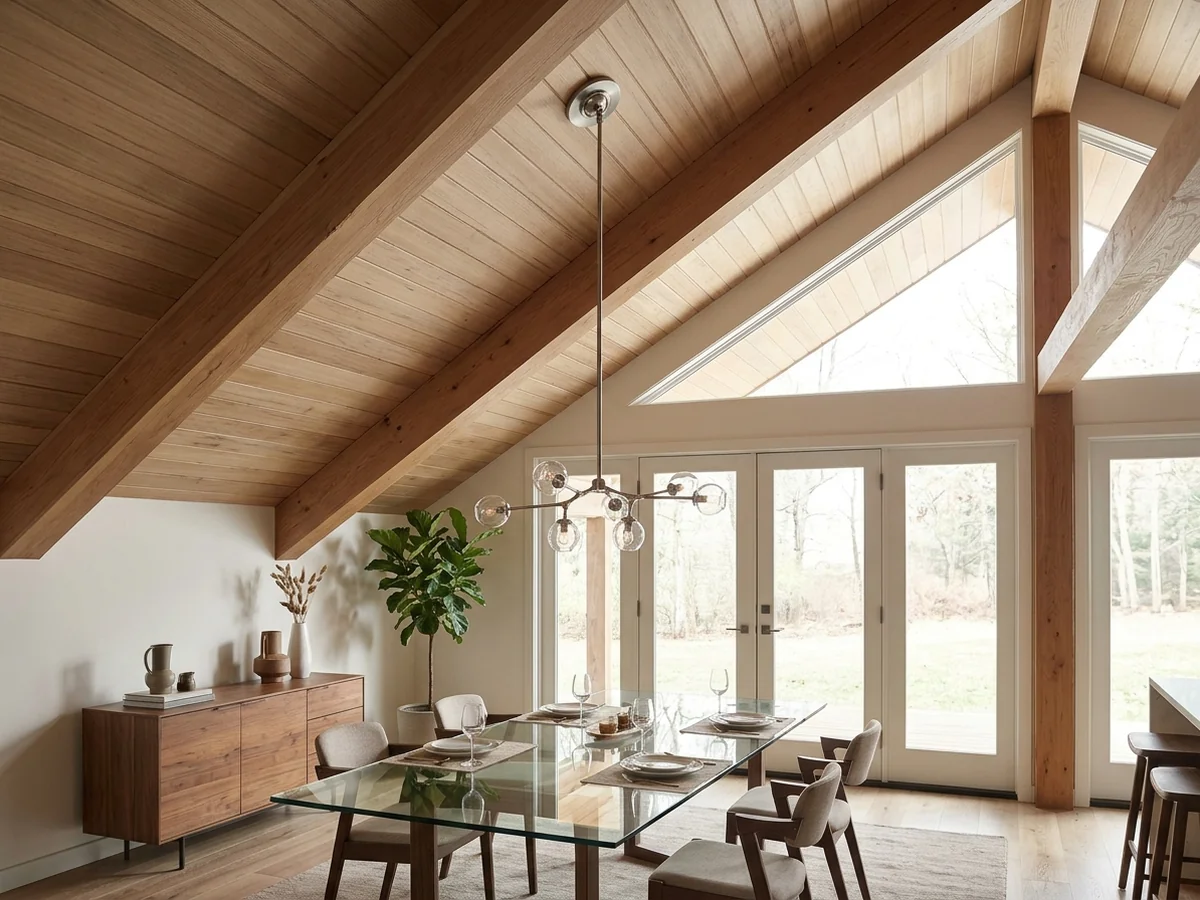
Installing a light fixture on an angled ceiling requires specialized mounting hardware to ensure the piece hangs properly. It is common guidance that sloped ceilings necessitate a swivel canopy or a sloped-ceiling adapter to keep the fixture perfectly vertical, regardless of the pitch of the roofline.
When measuring clearance on a non-flat surface, always calculate your vertical distance from the center of the table directly upward to the lowest point of the chandelier. Although the ceiling angle changes the length of the suspension chain or stem needed, the chandelier 30 to 36 inch rule remains the standard height for a chandelier above a dining table. You must ensure the fixture remains level by following these installation steps:
- Select a mounting canopy specifically designed for sloped ceilings that features a built-in swivel mechanism.
- Measure the distance from the tabletop to the ceiling at the exact point where the fixture will be centered.
- Adjust the fixture suspension chain or stem length to compensate for the slope so the bottom of the light sits within the recommended height range.
- Verify that the light fixture is centered directly over the middle of the dining table after the adjustment.
- Use a bubble level during the installation process to confirm the fixture hangs straight before securing all electrical connections.
Consistency is key when working with angled architecture. Because the ceiling point is not uniform, the length of the chain on one side of the fixture may look different than the other, but the orientation of the chandelier itself must stay parallel to the floor. Always prioritize the distance from the table surface to the light, as this ensures the most comfortable illumination for your dining area.
Testing Height Before Installation
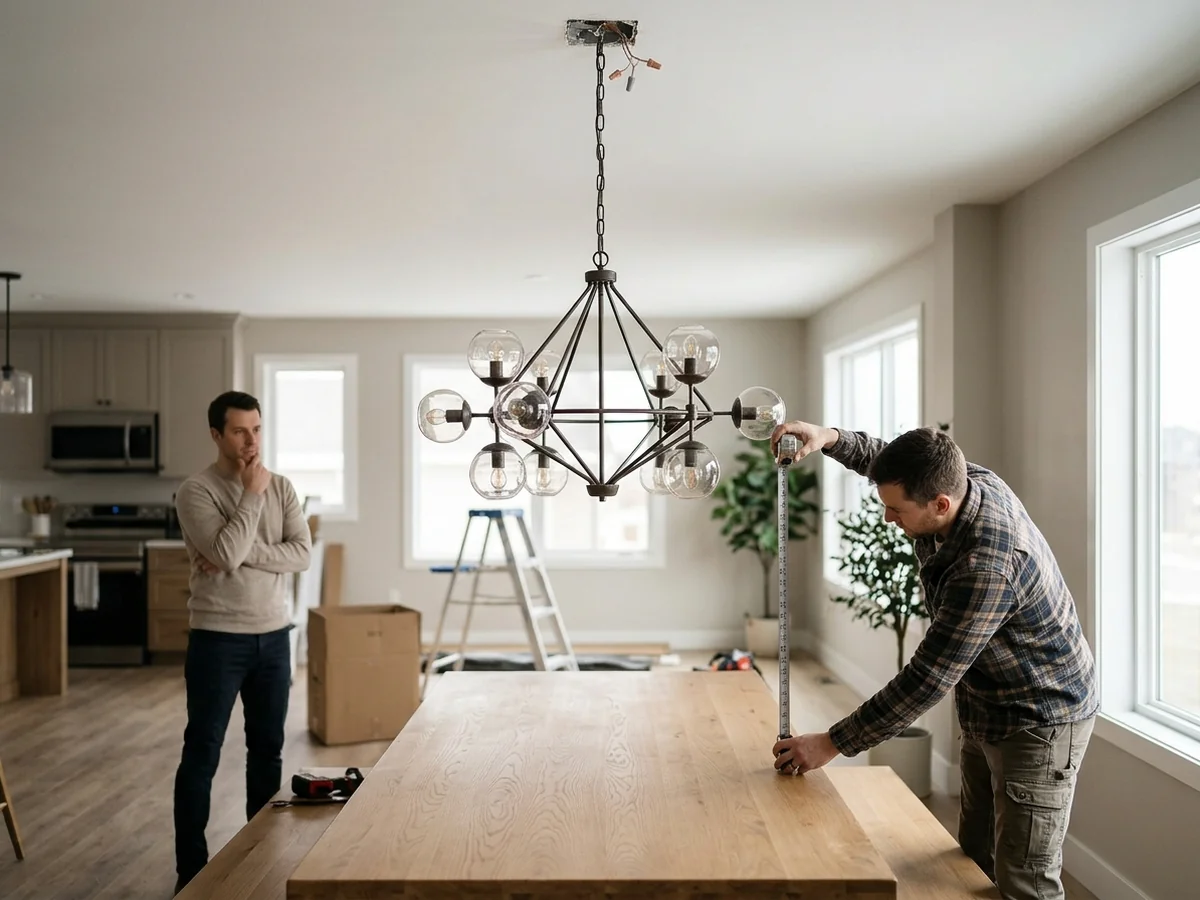
Confirming your fixture height before securing the ceiling canopy is a vital step to ensure the final result balances aesthetic appeal with functionality. Relying on visual tests prevents the frustration of reinstalling a heavy piece after the wiring is already finished.
Following these steps helps you verify the placement before making any permanent adjustments to the fixture suspension chain or stems:
- Use a length of temporary string or lightweight wire to suspend the fixture at your desired height to gauge the visual scale within the room.
- Sit at the dining table to check for glare, as dining room lighting should ideally be positioned to avoid creating discomfort for guests.
- Observe the light from multiple angles in the room to ensure the fixture does not obstruct views across the space.
- Verify that the bottom of the light maintains the standard height of 30 to 36 inches above the table surface.
- Adjust the temporary support until you achieve the preferred balance between the table and the ceiling height.
Sitting at the table is the most effective way to evaluate the chandelier clearance over table. When you are seated, you can accurately see if the light source is hidden by the shades or if it will be distracting during meals. If the light bulbs are exposed, you might need to drop the fixture slightly lower or opt for a different bulb style to minimize glare. This simple check ensures that your dining experience remains comfortable and well-lit.
Always ensure the fixture is centered directly over the middle of the table. Once you are satisfied with the positioning, you can proceed with the final installation knowing the height is tailored to your specific furniture and ceiling geometry.
Lighting Design Height Tips
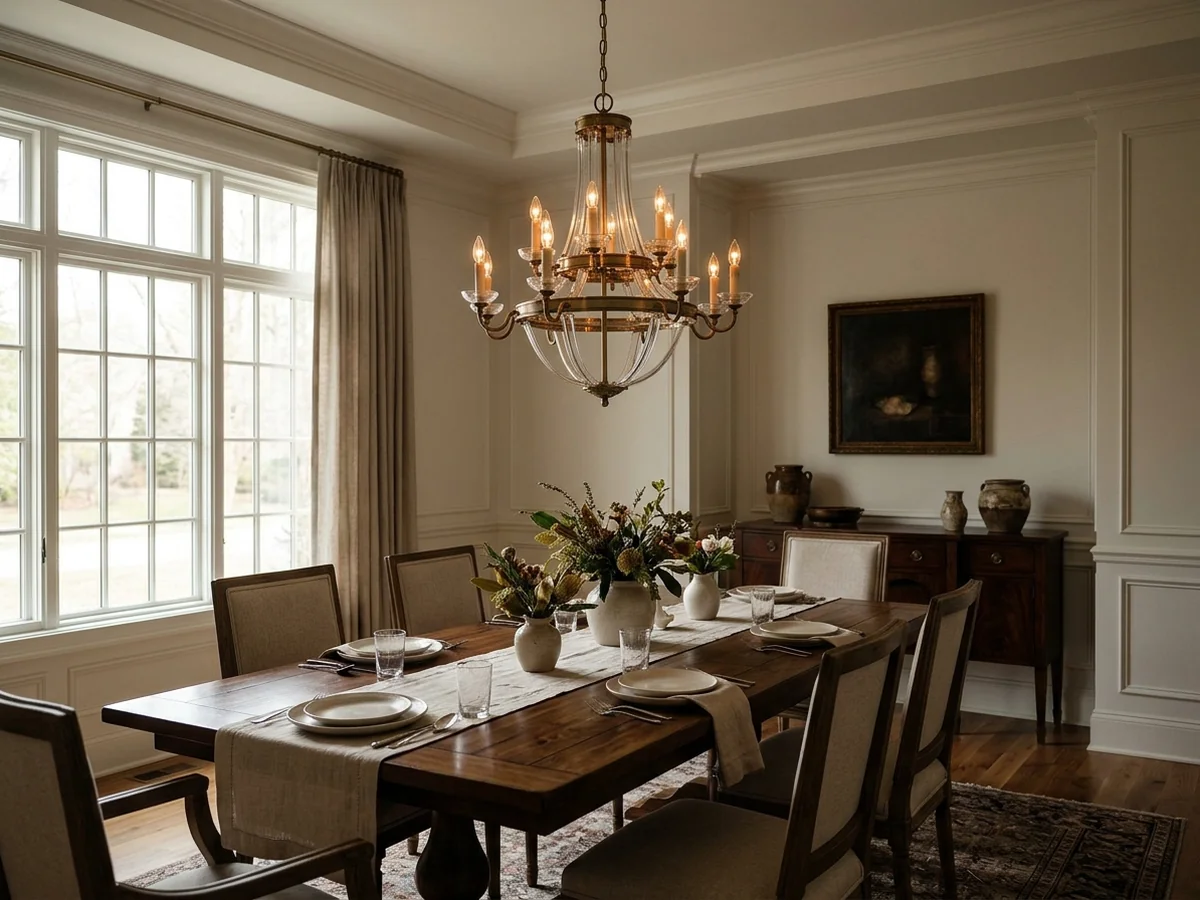
The standard height for a chandelier above a dining table is 30 to 36 inches. Ensuring your fixture is positioned correctly involves more than just selecting the right drop length from the ceiling, as placement and control features significantly impact the final dining atmosphere.
Consider these essential factors for achieving a balanced and functional lighting installation:
- Light fixtures in dining areas should be centered directly over the middle of the table to ensure uniform illumination and visual symmetry.
- Dimmers allow for the adjustment of light intensity for different dining environments, providing the flexibility to shift from task lighting to a more intimate mood.
- The bottom of a chandelier should generally hang at least 7 feet above the floor in high-traffic areas to prevent accidental contact while people walk through the space.
- Dining room lighting should ideally be positioned to avoid creating glare for people seated at the table, which often requires careful selection of bulb types and shades.
- For ceilings higher than 8 feet, it is common guidance to raise the fixture 3 inches for every additional foot of ceiling height to maintain proper visual proportions.
When you prepare to install your fixture, confirm that your mounting hardware allows for the specific height adjustments required for your ceiling. If you are dealing with a sloped ceiling, it is common guidance to use specialized mounting hardware to ensure the fixture hangs level regardless of the angle. Proper planning prevents the need for later adjustments and guarantees that your chandelier serves as both a functional tool and a focal point for the room.
Common Chandelier Height Mistakes
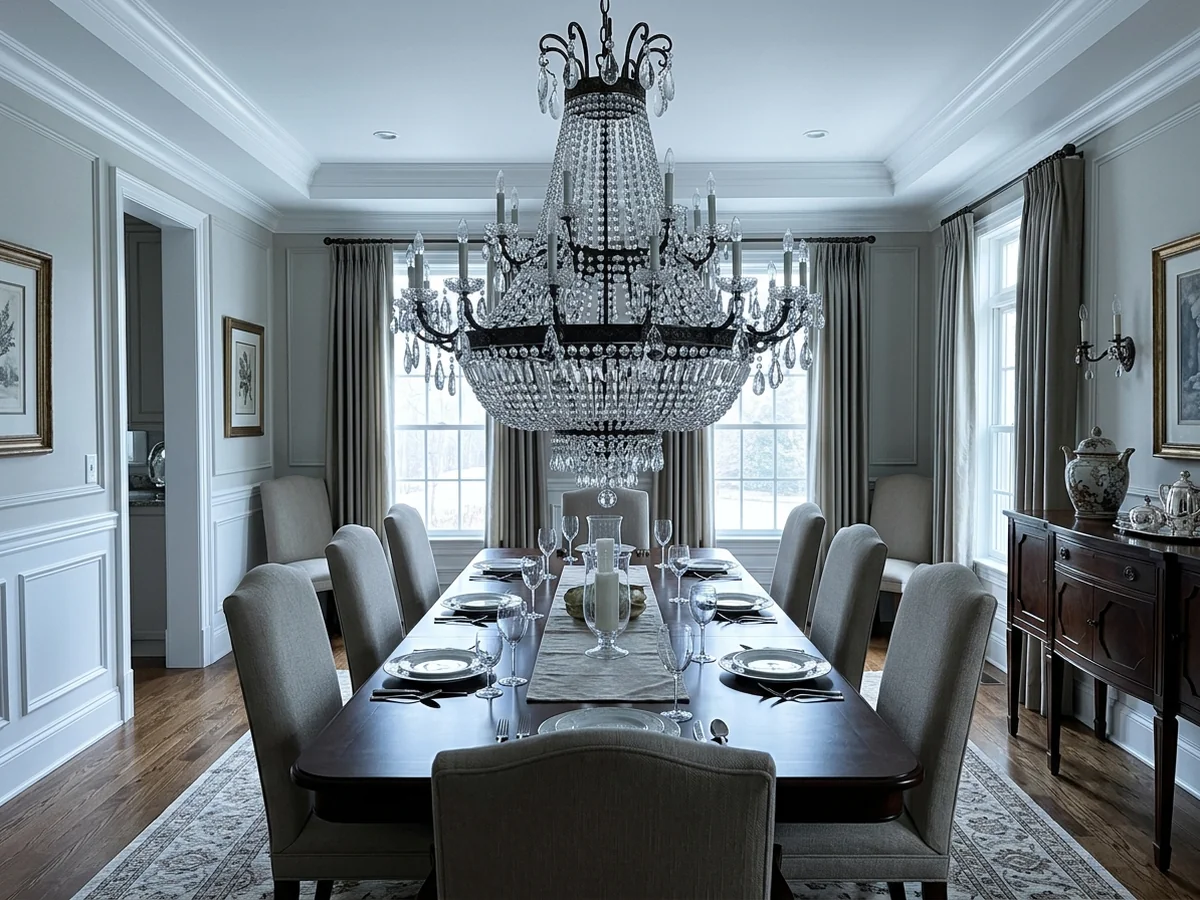
The standard height for a chandelier above a dining table is 30 to 36 inches. Failing to adhere to this range often results in lighting that disrupts the balance of your dining room or causes physical discomfort.
Hanging a fixture too low frequently creates significant glare for those seated at the table. When the light source sits directly in the line of sight of your guests, it becomes a distraction rather than a decorative highlight. Dining room lighting should ideally be positioned to avoid creating this glare, ensuring that the focus remains on the meal and conversation.
Choosing a fixture that is too small for the table often creates an aesthetic imbalance. A light that lacks sufficient visual weight can make the entire dining area feel sparse or incomplete. While individual style preferences vary, common guidance suggests a chandelier should be at least 12 inches narrower than the width of the dining table to maintain proper proportions.
Alignment errors are another frequent oversight that can compromise the look of your space. Light fixtures in dining areas should be centered directly over the middle of the table. If the chandelier is offset, the visual flow of the room feels disjointed. To prevent these common installation issues, ensure you check the following details before finalizing your setup:
- Confirm the chandelier is centered over the table length and width.
- Verify the fixture does not obstruct the view of people seated across from each other.
- Ensure the bottom of the light is at least 7 feet above the floor in high-traffic areas to avoid accidental head contact.
- Use specialized mounting hardware for sloped ceilings to ensure the fixture hangs level and does not appear crooked.
When to Break the Rule
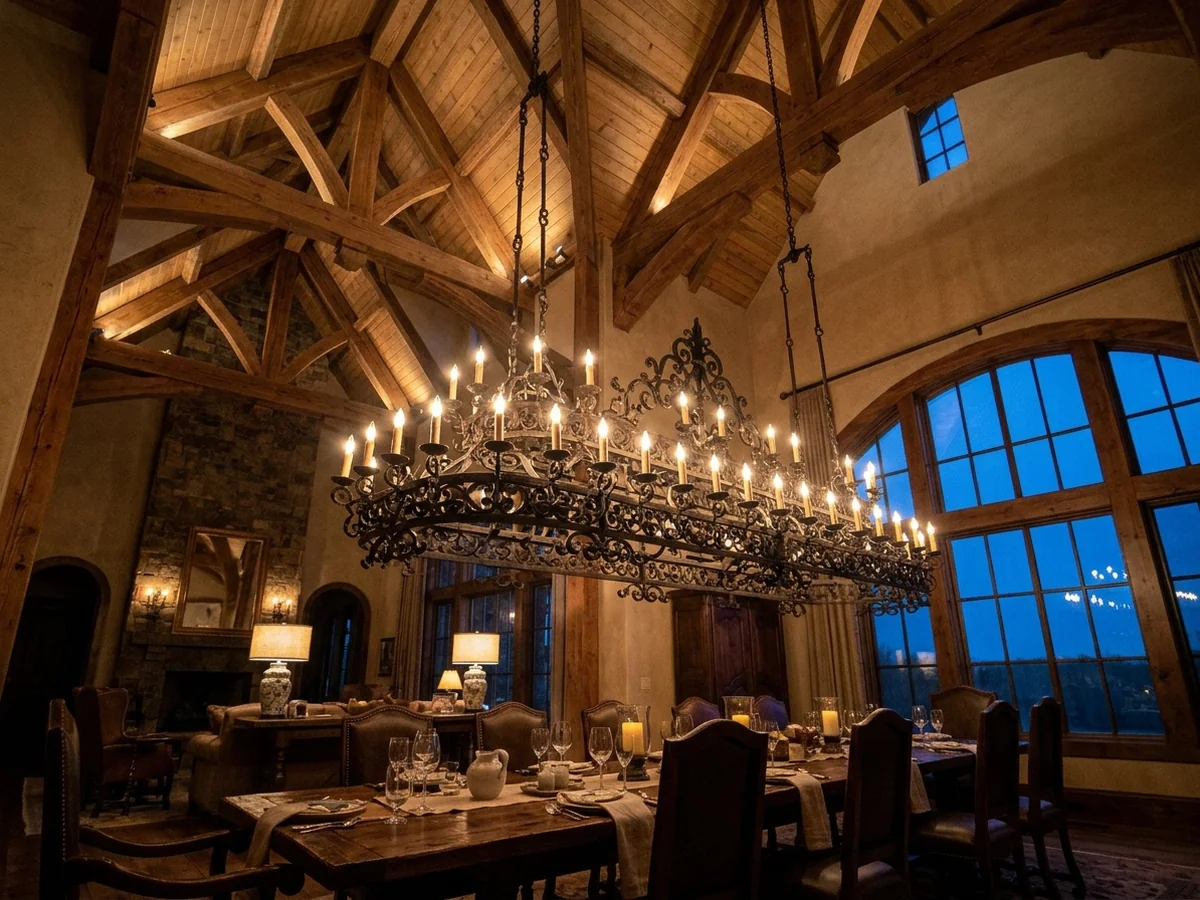
You should move beyond standard installation guidelines when dealing with heavy fixtures, complex wiring, or non-standard ceiling configurations. While the standard height for a chandelier above a dining table is 30 to 36 inches, certain technical demands require professional intervention to ensure safety and compliance with local codes.
Hiring a licensed electrician is essential when your project involves more than a simple swap of an existing light. If you are installing a new junction box, running new electrical lines, or dealing with an outdated home wiring system, a professional ensures the work meets the National Electrical Code. They are also necessary when you lack experience with luminaire mounting height requirements or if the existing electrical system cannot support the load of a new, heavier fixture.
Structural support becomes a critical consideration when hanging fixtures that exceed the weight capacity of a standard ceiling junction box. Large, intricate, or heavy chandeliers often require reinforced bracing, such as an attic-mounted joist bracket or a heavy-duty pancake box, to prevent sagging or catastrophic detachment. If your ceiling construction does not include adequate blocking to support the weight of the chandelier, you must install additional framing before mounting the fixture.
Complex installation scenarios often include the following:
- Vaulted or sloped ceilings that require specialized mounting hardware to ensure the fixture hangs level.
- Installations involving oversized chandeliers that necessitate custom ceiling canopies or extended fixture suspension chains.
- Workspaces where you must integrate dimmable lighting systems that require specific dimmer switches compatible with your bulb type.
- Situations where the existing junction box is not rated for the specific weight of the new fixture.
Always prioritize safety over aesthetic placement. If you are unsure about the structural integrity of your ceiling or the capacity of your electrical circuit, consult a professional rather than attempting a DIY installation that could result in damage to your home or injury.
FAQ
What is the chandelier 30 to 36 inch rule?
The standard height for a chandelier above a dining table is 30 to 36 inches. This measurement refers to the distance between the bottom of the light fixture and the surface of the dining table.
How do I adjust the height for ceilings higher than 8 feet?
For ceilings higher than 8 feet, it is common guidance to raise the fixture 3 inches for every additional foot of ceiling height. This adjustment prevents the chandelier from appearing too low in rooms with vertical space, maintaining proper visual balance.
What size chandelier for a 36 inch wide table?
A 36-inch wide table typically pairs best with a chandelier between 18 and 24 inches in diameter. As a general rule, a chandelier should be at least 12 inches narrower than the total width of the dining table to ensure the proportions feel intentional and not overwhelming.
How do I calculate the ideal chandelier diameter?
Chandelier diameter is often calculated by adding the length and width of the room in feet and converting the sum to inches. For example, a 10 by 12 foot room would result in a suggested diameter of 22 inches.
What is the recommended clearance in high-traffic areas?
The bottom of a chandelier should generally hang at least 7 feet above the floor in high-traffic areas. This ensures that people walking through the space have adequate head clearance and the fixture does not obstruct movement.
Should I use a dimmer for my dining room light?
Dimmers allow for the adjustment of light intensity for different dining environments. Using a dimmer helps you avoid glare for people seated at the table while providing the flexibility to transition from bright task lighting to a softer, more intimate atmosphere.
Conclusion
The standard height for a chandelier above a dining table is 30 to 36 inches. This measurement serves as your primary baseline for achieving a balanced aesthetic and comfortable lighting environment in your dining area. When determining exactly where to position your fixture, evaluate your specific ceiling height and table dimensions to ensure the light source does not obstruct your view or create glare. Following the chandelier 30 to 36 inch rule provides a reliable starting point for any installation. Before finalizing the mount, hold the fixture at the calculated height to confirm the visual scale works well with your furniture and overall room proportions.
Sources: shrine-qa-node01.catalyst.harvard.edu, cehsweb.health.umt.edu, marymount.edu
You might also like: Minimum Room Width Needed to Accommodate a 42-Inch Wide Dining Table