
How High Should a Chandelier Hang Above a Dining Room Table?
Introduction
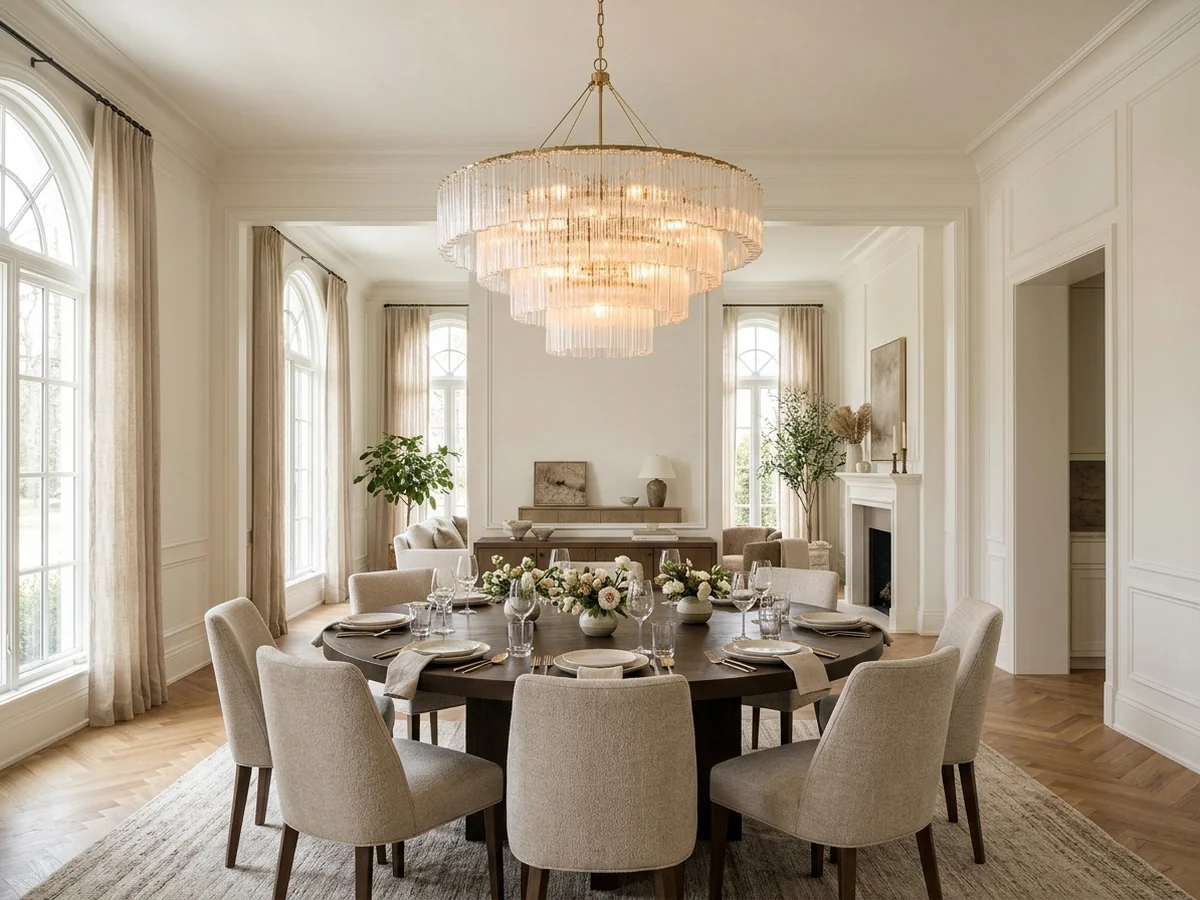
The standard hanging height for a dining room chandelier is 30 to 36 inches above the tabletop surface. Following this chandelier height above dining table guideline ensures your fixture provides optimal illumination without obstructing your view or creating glare.
This article provides the essential measurements and calculation methods needed to achieve a balanced look in your dining space. You will learn how to determine the correct drop length based on your ceiling height and table style, along with tips for sizing fixtures to match your dining room table dimensions. Whether you are dealing with a standard dining setup, counter-height surfaces, or high ceilings, this guide covers the technical details necessary for a functional and aesthetically pleasing installation.
Determining the Ideal Hanging Position
The standard hanging height for a dining room chandelier is 30 to 36 inches above the tabletop surface. This measurement ensures the fixture remains within the optimal range for both visual appeal and practical utility in your dining space.
While these decorative pieces primarily provide ambient lighting to set the mood of a room, they also function as essential task lighting. Proper placement ensures that light is directed onto the surface of your dining room table, making it easier to see during meals or while working on projects. If you hang a fixture too high, the light will scatter, creating a washed-out effect that fails to illuminate your dinnerware or seating area effectively.
Conversely, positioning the light too low can create glare or physically obstruct the line of sight between guests. By sticking to the recommended range of 30 to 36 inches, you achieve a balance where the light enhances the atmosphere without interfering with conversation or comfort. Because standard dining tables are typically 30 inches from the floor, this clearance allows for a functional and cohesive look that works well in most homes.
When finalizing the placement of your hanging lights above dining table surfaces, consider these factors to refine your setup:
- Ensure the fixture provides sufficient coverage for the entire table surface.
- Utilize dimmer switches to adjust the intensity of the light, allowing you to transition easily from task-focused brightness to soft ambient glows.
- Verify that the bottom of the fixture does not interfere with tall centerpieces or the comfort of guests sitting upright.
Keeping the light within this established height range helps maintain the intended design proportions of your furniture. This simple adjustment ensures your lighting serves its purpose while elevating the overall aesthetic of your dining area.
Standard Hanging Height Rules
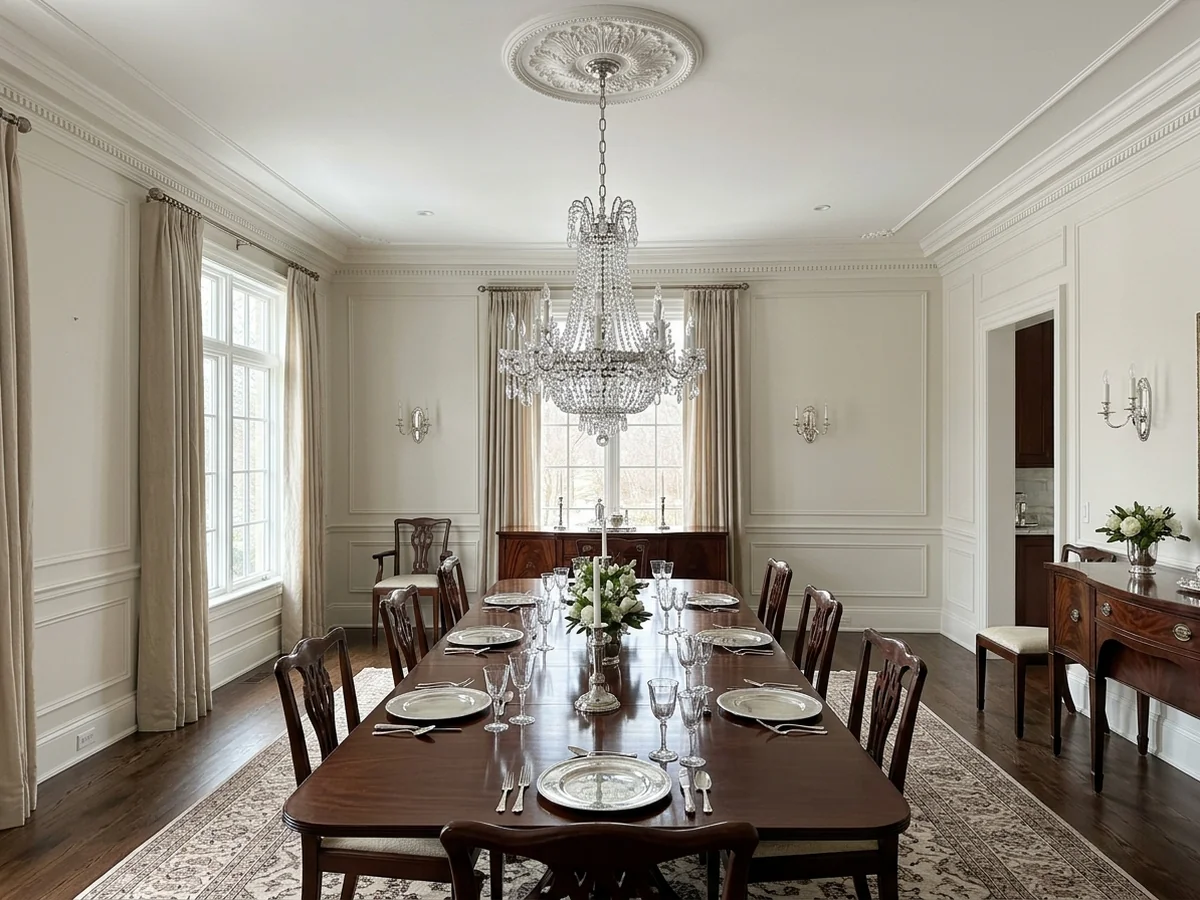
The standard hanging height for a dining room chandelier is 30 to 36 inches above the tabletop surface. This measurement serves as the essential baseline for achieving both visual comfort and optimal lighting distribution across your dining area.
Maintaining this specific clearance prevents the fixture from feeling too low, which can obstruct sightlines, or too high, which may result in a lack of focused task lighting. This range balances the need for a well-lit surface with the desire to keep the chandelier as a cohesive design element within the room.
To determine where your fixture will sit in relation to the floor, it is helpful to understand the dimensions of your furniture. Standard dining tables are typically 30 inches from the floor, providing a consistent reference point for your installation. By adding the 30 to 36 inch clearance to your table height, you can visualize exactly how the light will sit in your space.
While this measurement provides a reliable starting point, you may find that your specific setup requires minor adjustments. Consider the following factors when finalizing your chandelier height above dining table:
- The height of the table surface (e.g., standard dining tables vs. counter-height or bar-height surfaces).
- The overall scale of the light fixture relative to the room volume.
- Personal preference regarding sightline clearance while seated versus standing.
If you have a taller table, such as a counter-height surface which is typically 36 inches from the floor, you will likely need to adjust your chain drop accordingly to maintain the same clearance. Similarly, bar-height tables, which are commonly 42 inches from the floor, will require the fixture to be hung higher to preserve the intended light distribution. Using these standard measurements ensures your lighting remains functional and proportionate to your dining room table dimensions.
Adjusting for Table Height
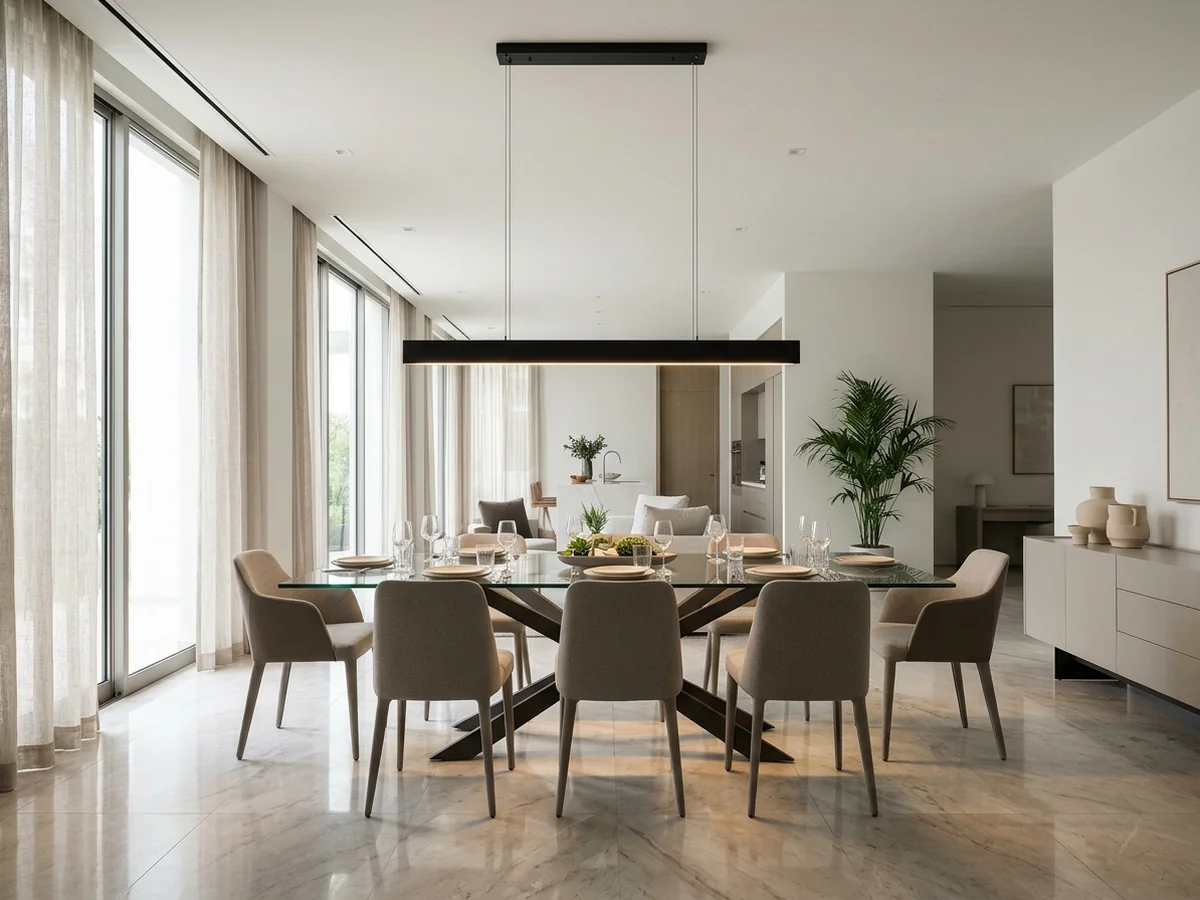
Regardless of your specific table style, the goal is always to maintain a clearance of 30 to 36 inches between the bottom of the fixture and the tabletop surface. While standard dining tables sit 30 inches from the floor, other configurations require you to adjust the chain drop to keep the light within this comfortable range.
Counter-height tables are typically 36 inches from the floor. Because the surface is higher than a traditional dining table, the fixture must be raised accordingly. You will need to shorten the chain or cord to ensure that the bottom of the light remains 30 to 36 inches above that elevated surface.
For bar-height tables, which are commonly 42 inches from the floor, the need to reduce the chain drop becomes even more pronounced. If you do not compensate for the taller surface, the light will hang too low and potentially interfere with your sightlines. Always measure the distance from the table surface to the ceiling to determine how much of the chain needs to be removed.
Keep these adjustments in mind to maintain proper proportions when hanging lights above dining table surfaces:
- Measure the table height from the floor to the top surface.
- Subtract that measurement and your desired 30 to 36 inch clearance from the total ceiling height.
- Adjust the chain drop to accommodate the remaining distance for the fixture body.
By focusing on the distance between the tabletop and the light rather than the distance from the ceiling, you ensure the fixture stays at the correct level for your specific furniture. This method keeps your task lighting functional and visually balanced, regardless of whether you are using a standard, counter, or bar-height setup.
Calculating Total Drop Length
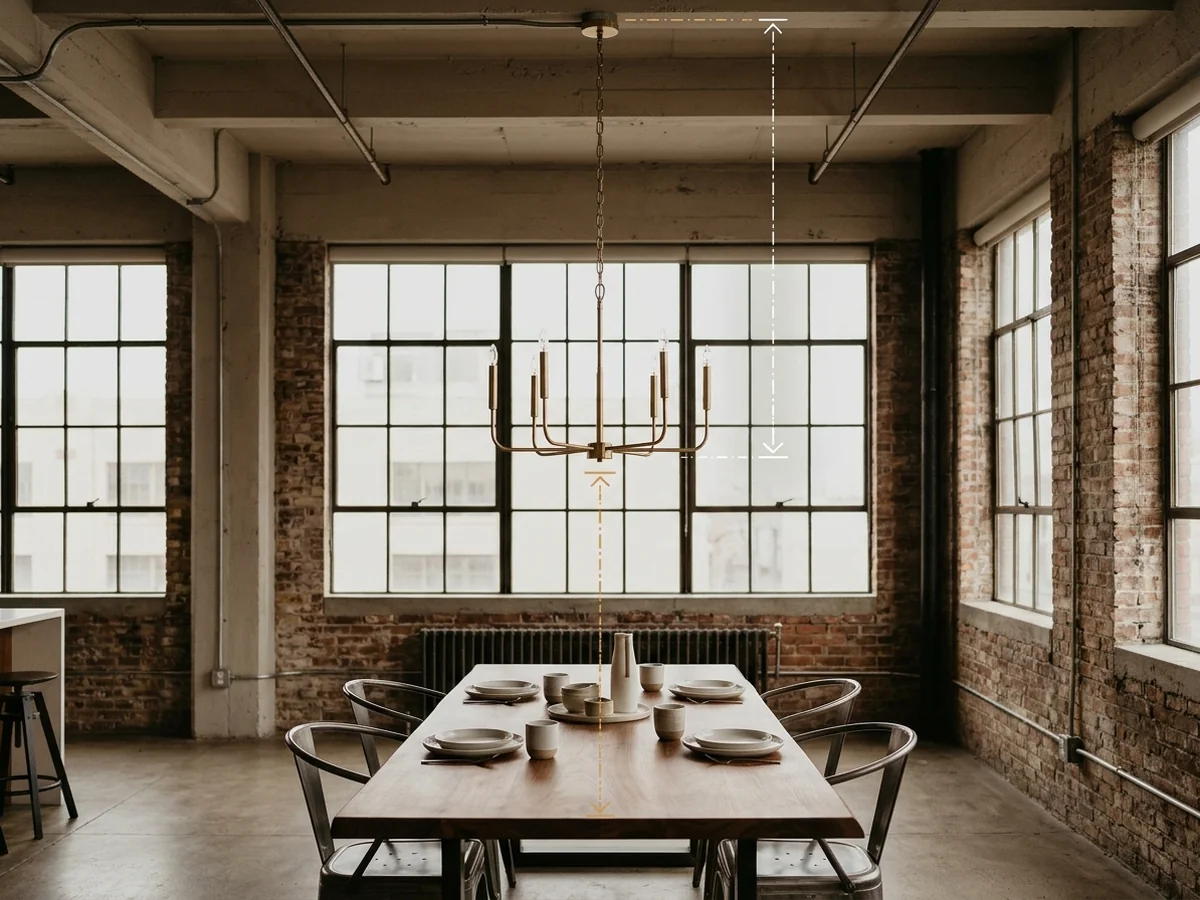
To determine the correct placement for your fixture, use the standard formula: total drop length equals your ceiling height minus the dining table height, minus your desired clearance, and finally minus the fixture body height itself. This calculation ensures that your lighting provides both optimal illumination and a balanced look within the room.
It is essential to measure the distance from the ceiling canopy at the very top to the bottom edge of the chandelier. Because the canopy is where the fixture meets the electrical junction box, starting your measurement here accounts for the entire profile of the hanging unit. Following this process helps you understand exactly how much chain or rod is required to achieve the ideal position.
Before you begin the final installation, you can verify the fit with a simple step-by-step approach to avoid unnecessary adjustments. Follow these steps to ensure accuracy:
- Measure your ceiling height from the floor to the highest point of the ceiling surface.
- Identify your specific table height, noting that standard dining tables are 30 inches from the floor, while counter-height tables are typically 36 inches and bar-height tables are usually 42 inches.
- Select a desired clearance between the tabletop and the bottom of the fixture, keeping in mind that the standard hanging height for a dining room chandelier is 30 to 36 inches above the tabletop surface.
- Subtract the height of the table and your chosen clearance from the total ceiling height to find the remaining available space for the fixture.
- Subtract the height of the fixture body from this remaining space to determine the exact length needed for the chain or support rod.
- Use a piece of string or painters tape to temporarily mark where the bottom of the chandelier will hang, allowing you to visualize the final position before securing the electrical connections.
Chandelier Width and Scale
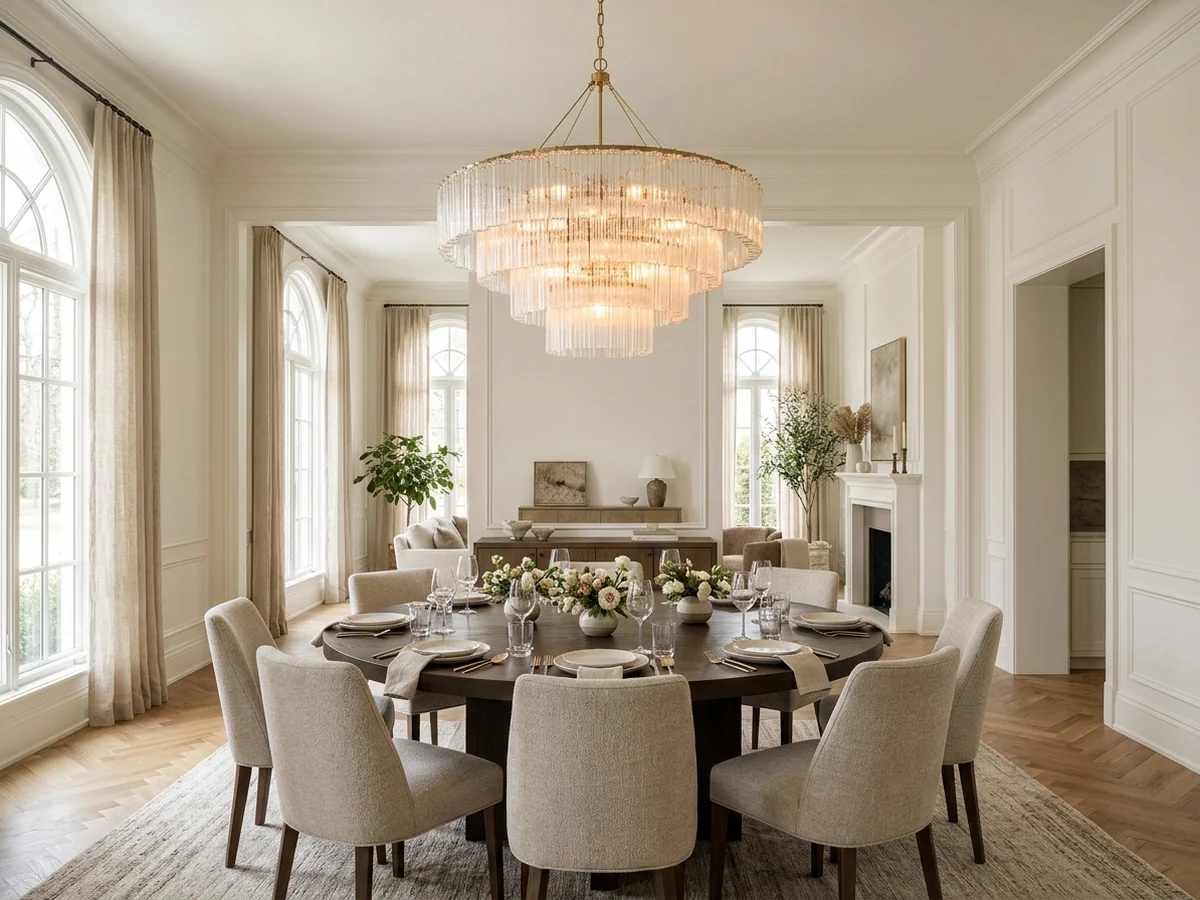
A chandelier should be wide enough to anchor the dining area visually without overwhelming the space or appearing undersized. Achieving the correct chandelier height above dining table is only half the battle, as the fixture diameter must also coordinate with the scale of your furniture.
Following a reliable chandelier sizing guide for dining tables helps create a balanced look. While personal preference plays a role, these general proportions ensure the light fixture functions as a cohesive design element:
- For rectangular dining tables, it is common guidance that the chandelier diameter should measure 50 to 67 percent of the total table width.
- Avoid the misconception that round table fixtures must be limited to half the table diameter, as this often results in a fixture that looks too small for the room.
- Instead, select a circular chandelier width that mirrors the visual weight of your table to maintain proper proportion.
- Measure the width of your table at its widest point before shopping to ensure the fixture falls within the recommended 50 to 67 percent range.
- If you have a very long rectangular table, consider using two smaller fixtures spaced evenly to provide better illumination across the entire surface.
- Large, open-concept dining spaces often benefit from fixtures on the higher end of the percentage scale to prevent the light from getting lost in the room.
Standard dining tables are typically 30 inches from the floor, providing a consistent baseline for your measurements. If you use a counter-height table, which is commonly 36 inches from the floor, or a bar-height table at 42 inches, remember to adjust your hanging height expectations accordingly. Keeping the scale proportional to the table surface ensures that your lighting serves as both a functional task light and an aesthetic centerpiece for your home.
High Ceiling Considerations
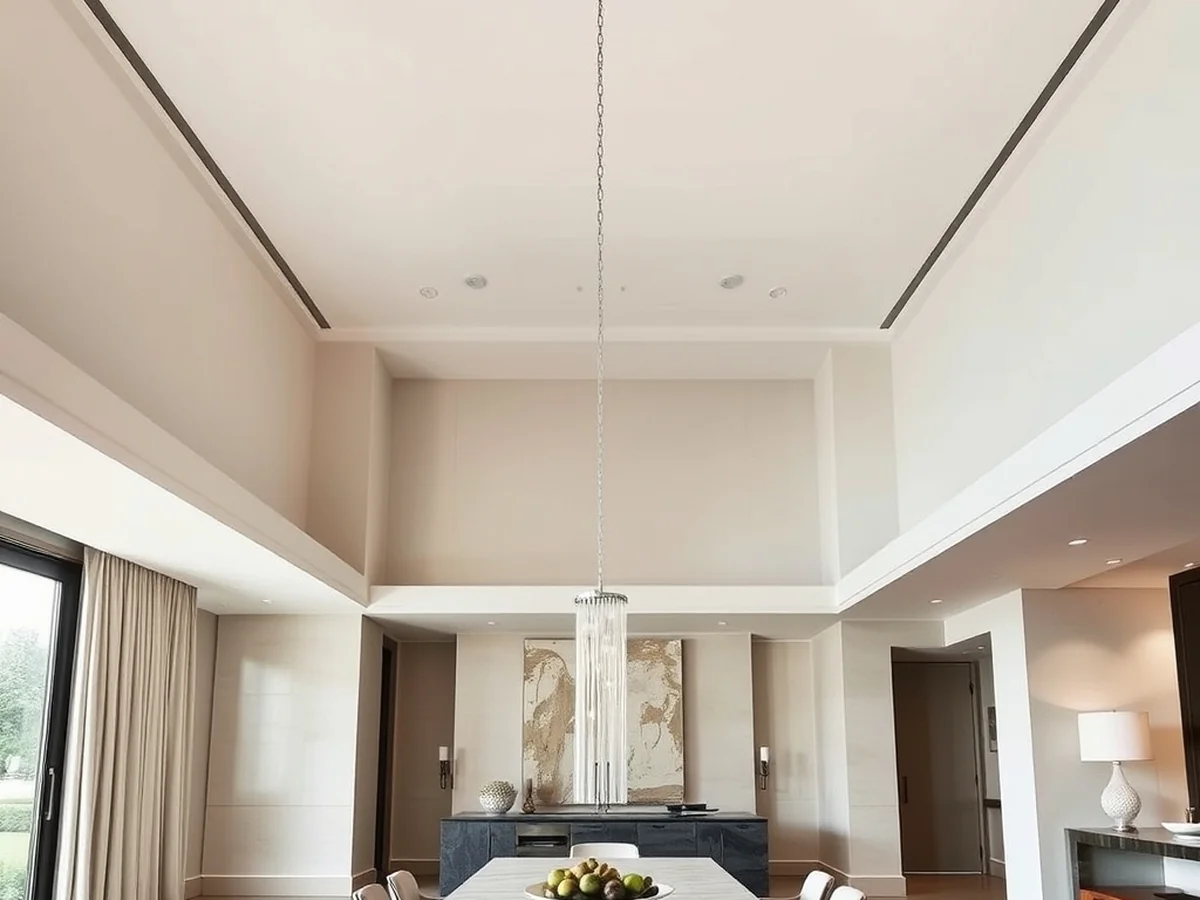
For rooms with ceilings taller than 8 feet, maintain the standard hanging height of 30 to 36 inches above the tabletop surface to ensure proper illumination. While the vertical distance from the table remains consistent, the space between the top of the fixture and the ceiling increases significantly. This is where the ideal chandelier height for 9 foot ceiling installations often requires extending the suspension hardware to keep the light source at the effective task level.
When working with higher vertical clearance, you must determine the total drop length to avoid a fixture that appears to float too close to the ceiling. A common practice is to use the following calculation: subtract the table height, the desired clearance, and the fixture body height from the total ceiling height. Since standard dining tables are typically 30 inches from the floor, this baseline helps you identify exactly how much extra chain or rod is required.
The choice between chain and downrod affects both the structural stability and the visual weight of your lighting setup. Choosing a longer chain adds a traditional, fluid aesthetic that works well in rooms with architectural character, though it can swing if bumped. Conversely, using a rigid downrod provides a clean, modern silhouette that remains perfectly vertical and prevents movement. Rigid mounts are generally preferred for larger or heavier fixtures where maintaining a precise, unmoving position is necessary for visual symmetry.
- Use a chain when you want a versatile, classic look that allows for slight adjustments during installation.
- Select a downrod for a structured, contemporary appearance that minimizes unwanted swaying.
- Check the canopy and mounting hardware compatibility before choosing between these two methods to ensure a secure connection to the ceiling junction box.
Lighting Layers and Brightness
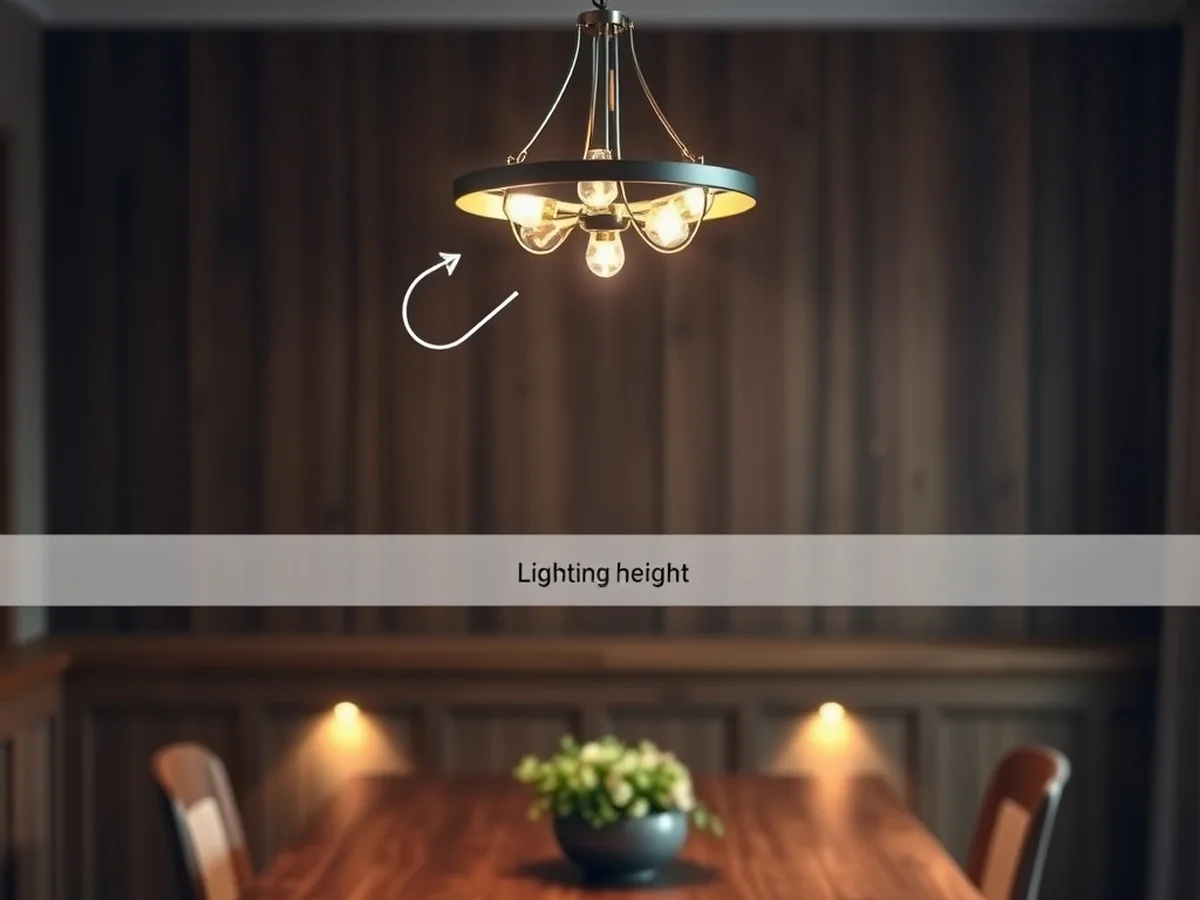
You can achieve the perfect balance between task and ambient lighting by installing dimmer switches. These controls allow you to transition seamlessly from bright, functional illumination during meals to a softer, more intimate glow for evening gatherings.
When selecting bulbs, common guidance suggests choosing a color temperature between 2700K and 3000K for dining areas. This range produces a warm, inviting light that enhances the comfort of your space without feeling overly harsh or clinical.
Managing the lumen output is equally vital for creating a pleasant atmosphere. High brightness levels are often necessary for reading or board games, but excessive light can quickly overwhelm a room. By focusing on the following elements, you can ensure your fixture serves its purpose effectively:
- Use dimmer switches to maintain full control over the intensity of your light throughout the day.
- Select bulbs in the 2700K to 3000K range to ensure the light quality feels natural and welcoming.
- Balance the total lumen output of the fixture to provide sufficient task lighting for the surface while avoiding glare.
Adjusting the brightness relative to the time of day helps define the room as a multi-functional space. Proper light layering prevents the area from feeling flat, adding depth and character to your dining experience.
Common Installation Mistakes
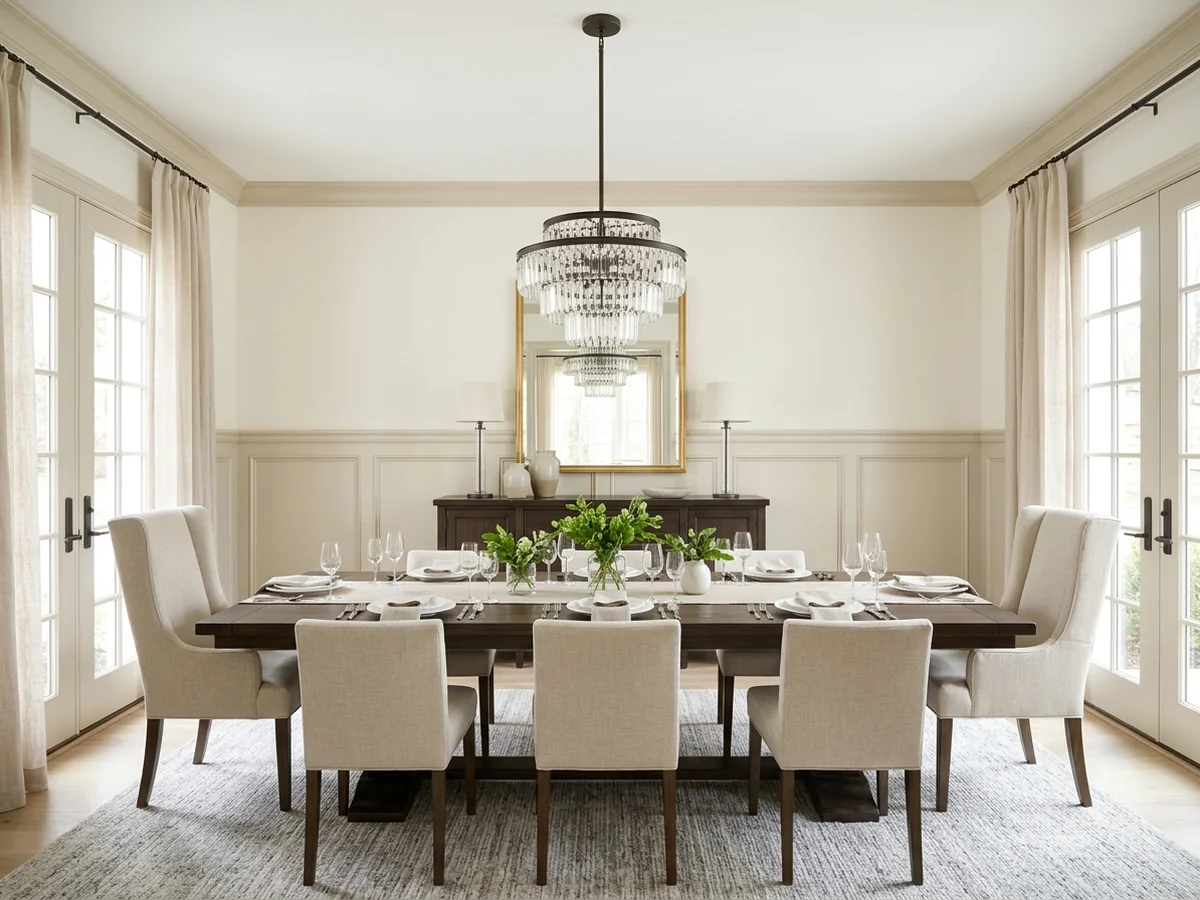
Installing a fixture at the wrong elevation can compromise both the utility and the atmosphere of your space. Improper placement often stems from neglecting standard measurements or failing to account for the physical constraints of the ceiling and furniture.
Keep these common pitfalls in mind when you plan the position of your light fixture:
- Positioning the light too high creates a disconnected, cavernous feeling that loses the intimate atmosphere necessary for a cozy dining area.
- Hanging the fixture too low results in visual clutter that obstructs sightlines across the table and may cause distracting glare for seated guests.
- Ignoring the weight of the fixture is a significant safety risk, as you must always verify that your electrical box is rated to support the specific load of your chosen piece.
- Failing to consider the height of your furniture, such as counter or bar-height tables, often leads to measurements that do not align with the standard 30 to 36 inches above the surface.
- Relying on guesswork rather than using a proper calculation for the total drop length frequently results in a lopsided or poorly centered installation.
Standard dining tables are typically 30 inches from the floor, which serves as the baseline for your vertical measurements. When you determine the ideal distance for your piece, ensure the electrical box is securely mounted to a joist or a support bracket designed for heavy loads. If you are unsure about the load capacity of your existing hardware, consult a professional to avoid potential damage to your ceiling or injury. Taking the time to measure correctly ensures your lighting remains a beautiful and safe focal point.
Professional Installation Height Tips
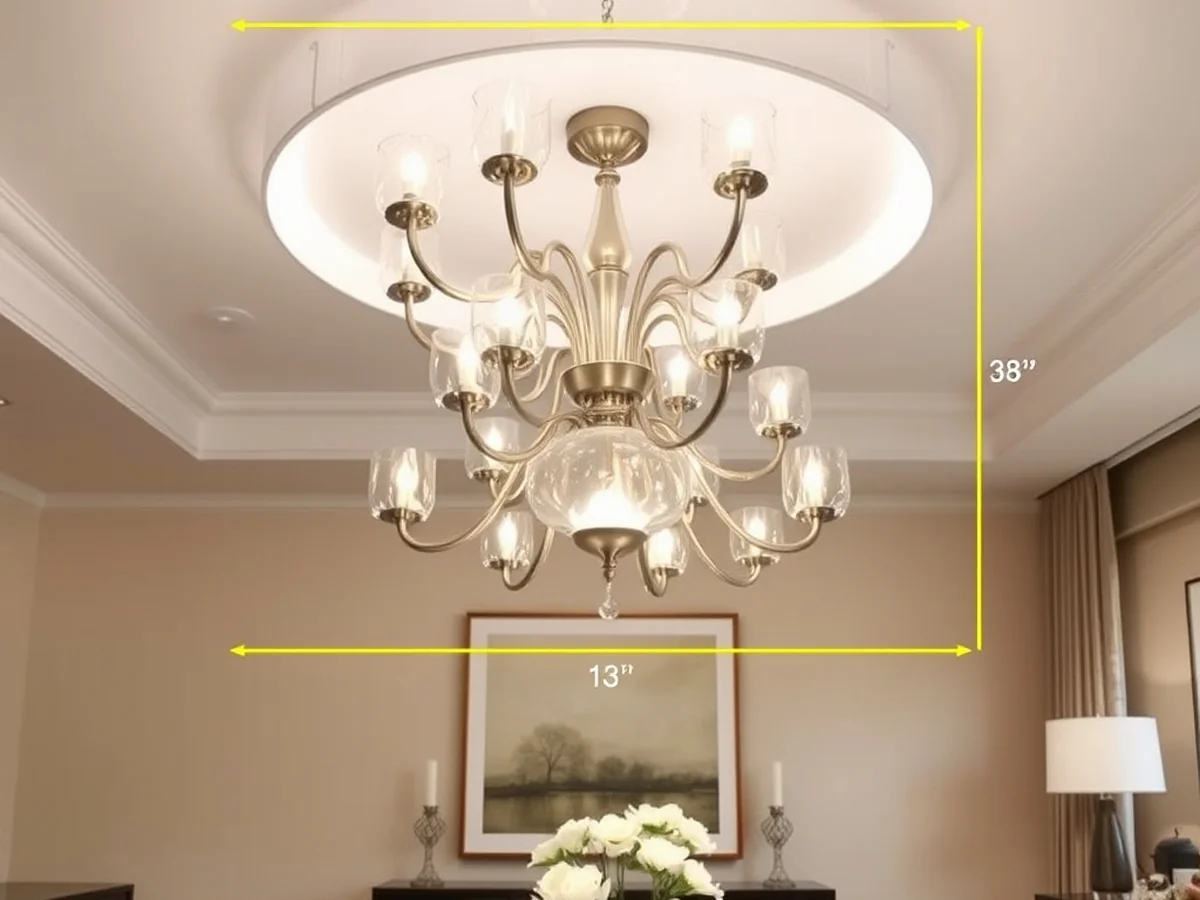
You should hire a licensed professional for your lighting installation if your home features complex architectural details or requires structural modifications. While hanging a light fixture seems straightforward, certain ceiling types and electrical requirements often exceed standard DIY capabilities.
Consider seeking expert assistance for the following scenarios to ensure your safety and the longevity of your fixture:
- Sloped or vaulted ceilings: These require specialized mounting hardware and precise leveling to ensure the light hangs straight over the center of your table. Professionals have the tools to adapt mounting brackets to non-level surfaces safely.
- Structural reinforcement: If your chosen light is particularly heavy, your ceiling joists may need reinforcement to support the extra weight. An electrician or contractor can verify if your existing electrical box is rated for the load or if a new, heavy-duty support brace is necessary.
- Complex wiring systems: If you are integrating multiple switches, multi-zone controls, or modern smart home systems, professional expertise prevents wiring errors. This is especially important for ensuring that your dimmer switches function correctly with the specific bulb type and fixture wattage.
Following these recommendations helps you avoid common hazards like loose connections, inadequate load-bearing support, or damaged ceiling finishes. When in doubt, a qualified professional provides the peace of mind that your dining room setup is both secure and fully functional.
FAQ
What is the ideal chandelier height above a dining table?
The standard hanging height for a dining room chandelier is 30 to 36 inches above the tabletop surface. This range provides optimal task lighting while ensuring the fixture does not obstruct the view of people seated at the table.
How do I calculate the total drop length for my fixture?
To calculate the required chain length, a common approach is to use the formula: Drop length equals ceiling height minus table height minus desired clearance minus fixture body height. Standard dining tables are typically 30 inches from the floor, which serves as your starting baseline for this equation.
Does the table height change where I should hang the light?
Yes, your choice of table impacts the final positioning of your lighting. While standard tables are 30 inches high, counter-height tables are typically 36 inches from the floor, and bar-height tables are typically 42 inches from the floor, which requires you to adjust the chain drop accordingly to maintain the 30 to 36-inch clearance.
How big should a chandelier be over my table?
Designers often suggest choosing a chandelier with a diameter that measures between 50 and 67 percent of the width of your rectangular table. Maintaining these proportions helps ensure the fixture complements the dining room table dimensions without overwhelming the space.
What is the recommended color temperature for dining room lighting?
It is generally recommended to use a color temperature between 2700K and 3000K, which provides a warm and inviting atmosphere. Using a dimmer switch alongside this temperature range allows you to transition effectively between functional task lighting and soft ambient lighting for evening meals.
Conclusion
The standard hanging height for a dining room chandelier is 30 to 36 inches above the tabletop surface. This measurement ensures the fixture provides effective task lighting while maintaining clear sightlines for conversation.
To finalize your installation, determine the specific chandelier height above dining table by confirming your table type and ceiling height first. Once you have these measurements, calculate the chain drop required to achieve this optimal clearance and adjust your fixture accordingly.
Sources: cehsweb.health.umt.edu, reports.bankstreet.edu
You might also like: Minimum Room Width Needed to Accommodate a 42-Inch Wide Dining Table