Low-Pile vs Flatweave vs Jute: Best Dining Room Rug Materials for Easy Sliding
Introduction
Low-pile, flatweave, and jute options are the most practical dining room rug materials for homeowners who prioritize easy chair movement. Selecting the right texture and fiber is essential for maintaining a functional space where seating slides smoothly without bunching or catching.
This article examines how these specific rug types perform under heavy dining chairs and high-traffic conditions. You will learn the mechanical differences between flat-surfaced weaves and natural fibers to help you choose the best material for your dining room rugs. We also cover essential guidance on rug sizing and the use of protective pads to ensure your flooring remains stable and secure during daily use.
Comparison of Rug Materials
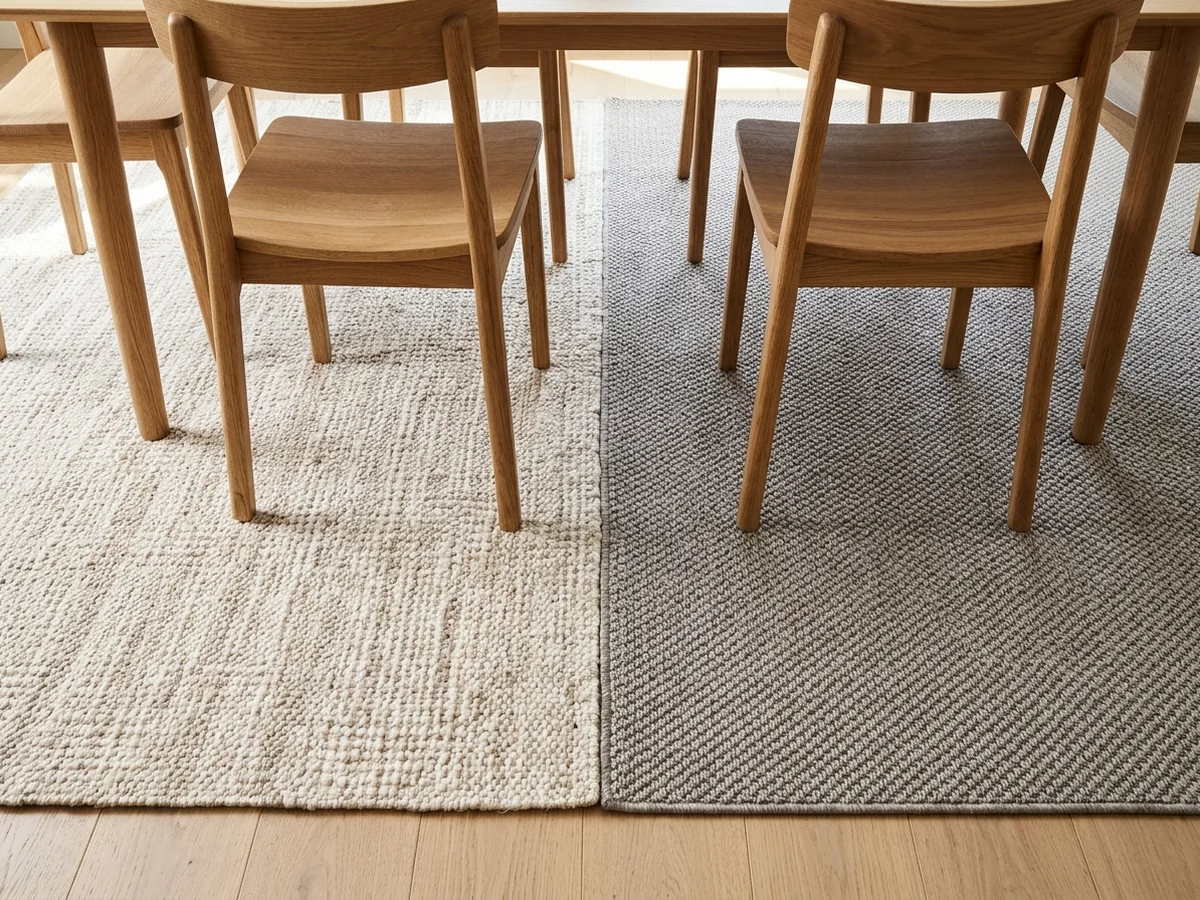
The functionality of your space depends heavily on how easily chairs slide across your flooring choice. Selecting the right foundation ensures that your seating remains accessible and that the fabric can withstand the daily friction of moving furniture.
When evaluating options, prioritize textures that offer minimal resistance. Thick, high-pile fibers often trap chair legs, causing the fabric to bunch up or fray under the weight of guests. Conversely, smooth surfaces allow for a seamless transition, preventing the frustration of catching a chair leg every time someone sits down or stands up.
Ease of movement is the primary selection criteria because dining areas are high-traffic zones. If a material creates too much drag, it becomes a physical obstacle rather than a decorative element. You want a surface that balances comfort with a streamlined profile, ensuring that your table setting remains undisturbed during use.
Consider these common categories when planning your layout:
- Low-pile options: These provide a dense, sturdy surface that stays flat under pressure, making them a reliable choice for heavy use.
- Flatweave styles: Known for their lack of vertical loops, these offer the lowest resistance, which makes them ideal for environments where chairs are frequently moved.
- Natural fibers like Jute: While aesthetically pleasing, these can be coarse or uneven, which sometimes hinders smooth chair movement compared to synthetic weaves.
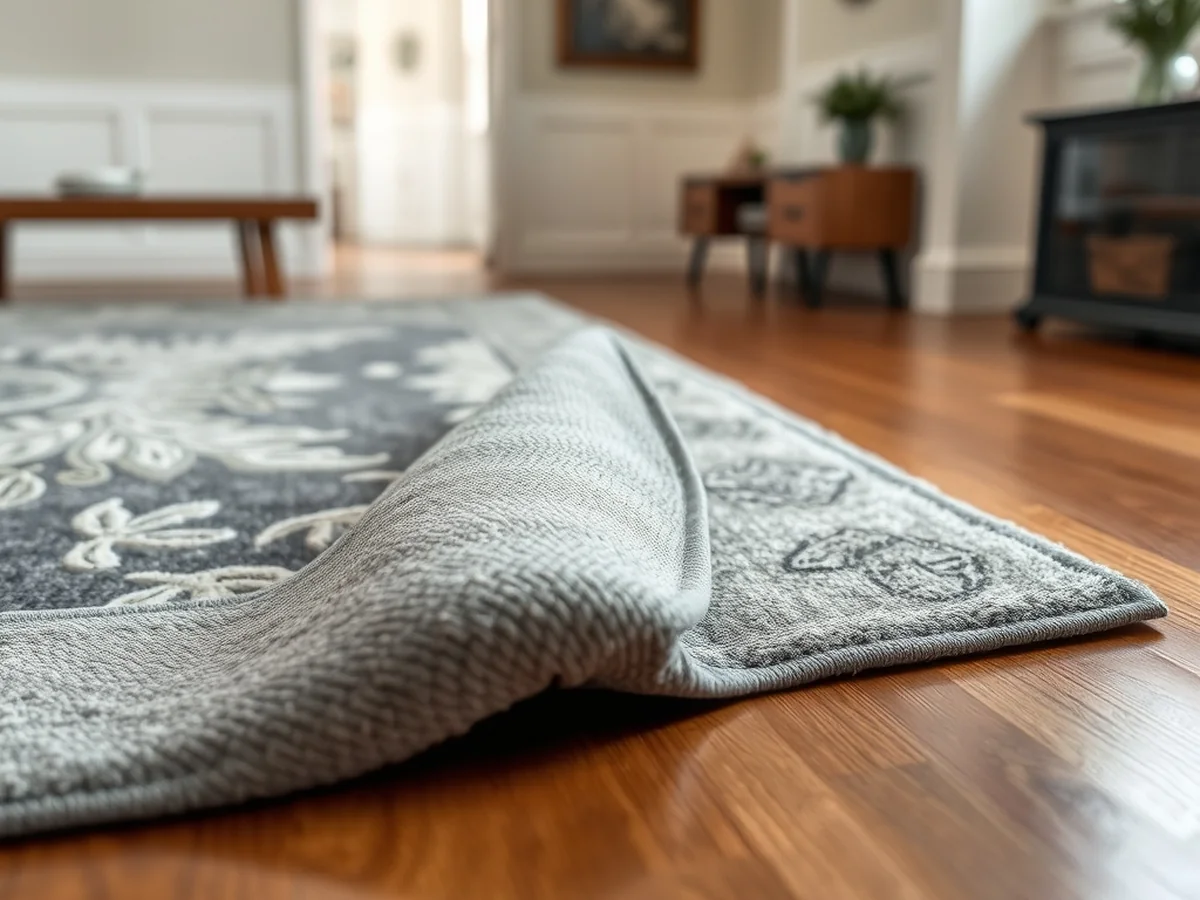
Beyond the material itself, stability is a critical factor for safety and convenience. Using a rug pad is common guidance to help reduce shifting if your rug is not anchored by heavy furniture. A quality pad adds a layer of protection for both your floors and the integrity of the rug, regardless of whether you choose a tight weave or a shorter pile. Matching the right material to your lifestyle ensures the space remains both functional and inviting.
Natural versus Synthetic Fibers
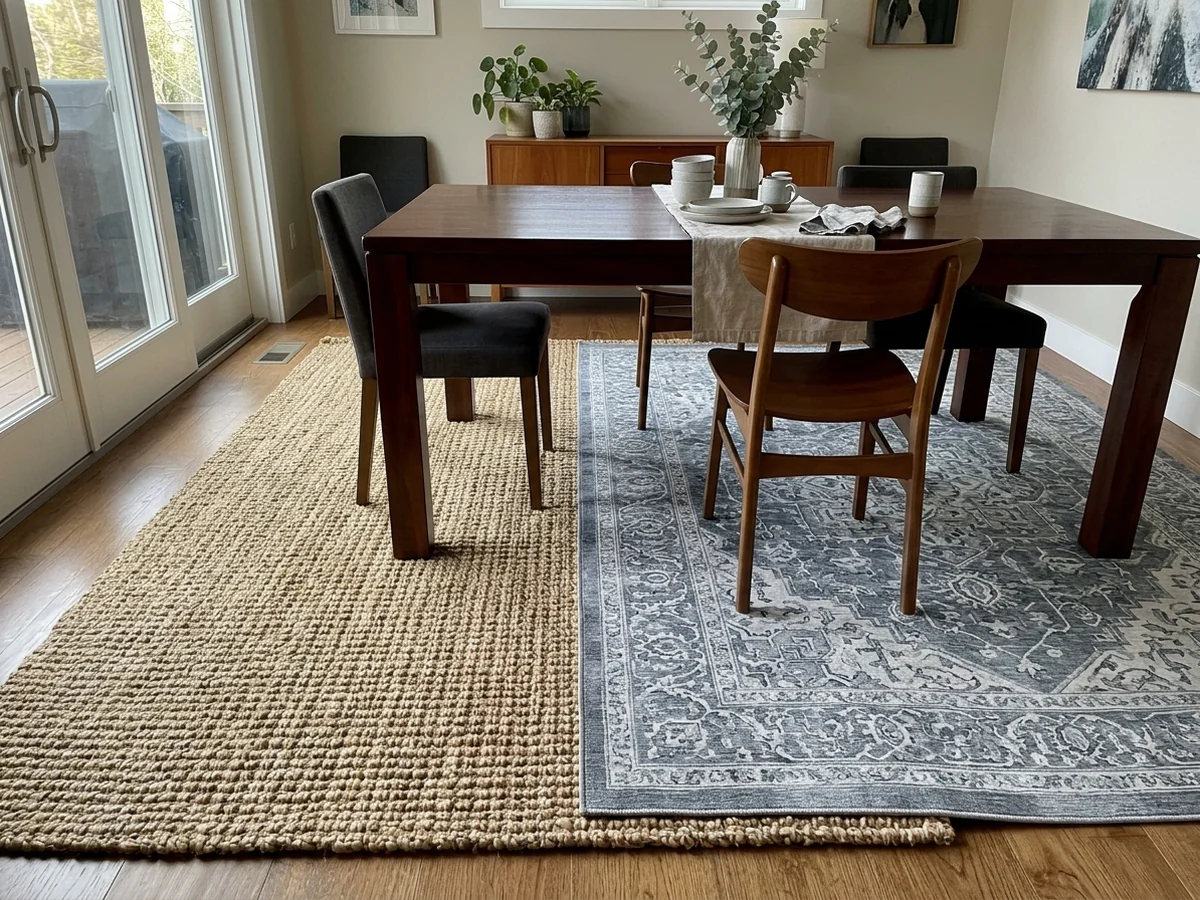
Selecting the best material for dining room rugs requires balancing aesthetic preferences with the physical demands of a high-traffic area. Because dining chairs are moved multiple times daily, the interaction between the chair legs and the rug surface is a primary factor in both comfort and long-term wear. Choosing an inappropriate fiber can lead to premature fraying, difficult cleanup, or constant tripping hazards.
Wool is widely regarded as a premium natural option for dining spaces. Its fibers possess a natural elasticity that allows them to spring back into shape even after prolonged compression from heavy furniture. This resilience makes wool an excellent choice for maintaining a uniform appearance over time. Furthermore, wool is naturally resistant to stains, which provides a functional advantage in areas where spills are common. However, it is essential to consider the pile height, as low-pile rugs or flatweave constructions generally offer the smoothest surface for chair movement.
| Material | Stain Resistance | Durability | Chair Movement |
|---|---|---|---|
| Wool | High | High | Smooth |
| Polypropylene | High | Medium | Very Smooth |
| Jute | Low | Medium | Moderate |
Synthetic fibers like polypropylene are frequently chosen for their practical, low-maintenance properties. Because these materials are non-porous, they do not absorb liquids as readily as natural fibers, making them among the most easy to clean dining room rugs. While synthetic options are highly durable, they may not offer the same structural recovery as wool. When considering natural options like jute or sisal, keep in mind that these materials have a coarser texture. While they offer a distinct, earthy aesthetic, they are often more difficult to clean and may present more friction when sliding chairs in and out.
A common mistake in dining room design is neglecting the importance of rug stability. Regardless of the material, a high-quality rug pad is necessary to reduce shifting, especially for rugs that are not fully anchored by the table. Using a pad also adds a layer of cushioning that protects both the floor underneath and the rug backing from wear. To ensure the best experience, aim for a low-profile construction, as this minimizes the risk of chair legs catching on the edge of the rug during mealtime.
Evaluating Chair Movement Mechanics
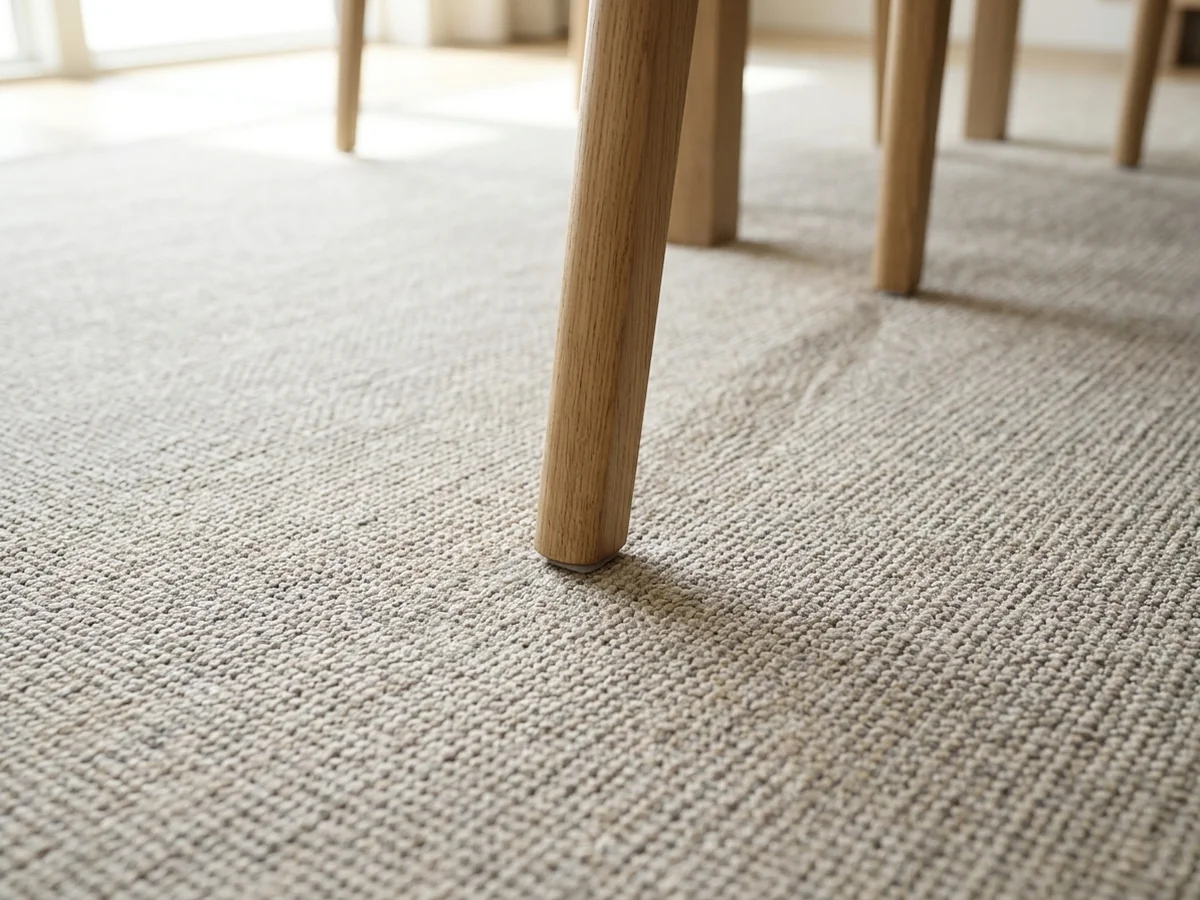
Chair movement in a dining space is primarily governed by the coefficient of friction between the rug surface and the chair leg. When you select dining room rug materials, you must consider how fiber density and weave structure influence the physical effort required to push or pull a seat. Rugs with high piles or loose, looped fibers create significant mechanical resistance, causing chair legs to catch or sink, which interrupts smooth motion and can lead to uneven floor wear.
The Role of Weave and Pile Height
Flatweave rugs for dining table setups are widely considered the most functional choice for high-traffic areas. Because they lack a vertical pile, there is no depth for chair legs to snag against. This creates a consistent, level plane that allows for effortless gliding. In contrast, even short-cut pile carpets can create drag. While low pile rugs for dining area spaces are often chosen for their aesthetic softness, they still present more surface interference than a flat-woven textile. High-pile rugs should be avoided entirely in dining rooms, as the deep fibers cause instability and make it difficult to maintain a level, comfortable seating position.
Comparing Material Friction and Performance
The material composition dictates how the rug handles friction and maintenance. Natural fibers like wool are often preferred for their resilience, as they tend to spring back into shape after being compressed by heavy furniture. However, other natural options like jute present a different set of challenges. When evaluating the jute rug pros and cons dining room setup, the coarse texture of jute can provide a rustic aesthetic, but its uneven surface can make chair movement feel jerky and difficult compared to synthetic alternatives like nylon or polypropylene.
| Material Type | Friction Level | Best For |
|---|---|---|
| Flatweave | Low | High-traffic, frequent chair movement |
| Low-Pile Synthetic | Medium | Balance of comfort and ease of use |
| Jute/Natural Fiber | High | Static placement, lower-traffic areas |
Practical Stability Measures
Beyond the rug material, the underlying support is crucial for performance. Rug pads help reduce shifting of rugs that are not anchored by heavy furniture, preventing the bunching that often occurs when chairs push against the rug edge. A high-quality pad provides a firm base that keeps the rug material stable, ensuring that your furniture remains aligned with the table surface throughout daily use.
Jute and Sisal Performance
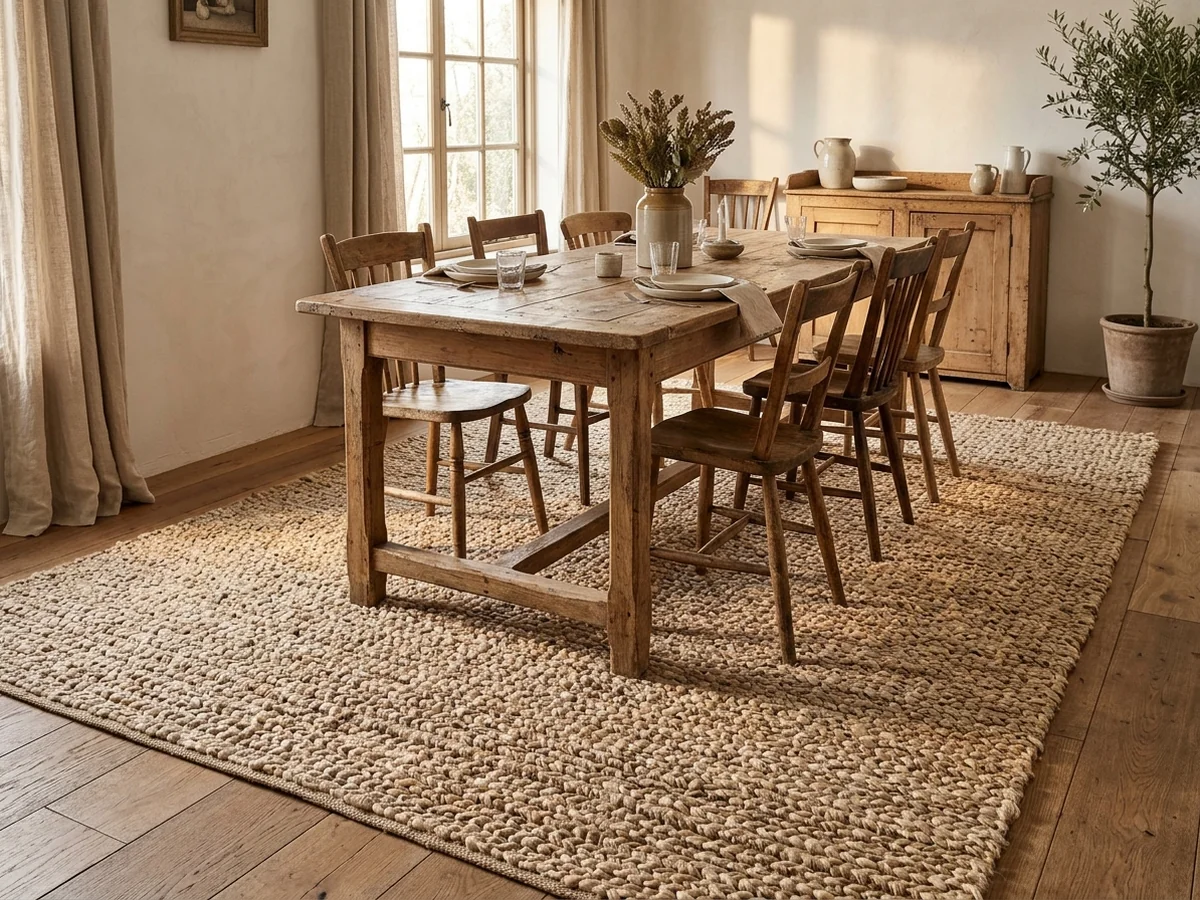
Jute and sisal rugs offer a distinct, organic aesthetic characterized by chunky, earthy textures that bring warmth to a space, but they often present significant challenges for high-traffic areas like the dining room. While these fibers create a sophisticated, textured foundation, their natural composition makes them less forgiving when spills occur during meals.
When considering the jute rug pros and cons dining room owners face, the primary drawback is the high absorbency of the plant fibers. Because these materials are porous, they quickly soak up liquids, which often leads to permanent discoloration if a spill is not addressed immediately. Removing deep stains from such fibers is notoriously difficult, as moisture can become trapped within the weave and eventually cause mold or localized damage to the material.
The texture of these natural fibers also creates more friction than synthetic alternatives, which may affect chair movement. You will find that sliding chairs across a coarse, braided surface requires more effort compared to smoother, tighter weaves. If you choose these fibers, consider these points regarding their daily performance:
- Natural plant fibers act like a sponge, pulling liquids deep into the core of the weave before you can wipe them away.
- The rough, uneven surface of a braided jute rug can make it difficult for dining chair legs to glide smoothly across the floor.
- Deep-set stains in natural fibers often require professional cleaning services, as household soaps can leave behind residue that attracts more dirt.
- Constant friction from chair legs dragging back and forth will eventually cause the natural fibers to fray or unravel at the edges.
- Because these materials are not moisture-resistant, they are generally not the best choice for homes where food and drink spills are a frequent occurrence.
Importance of Rug Backing
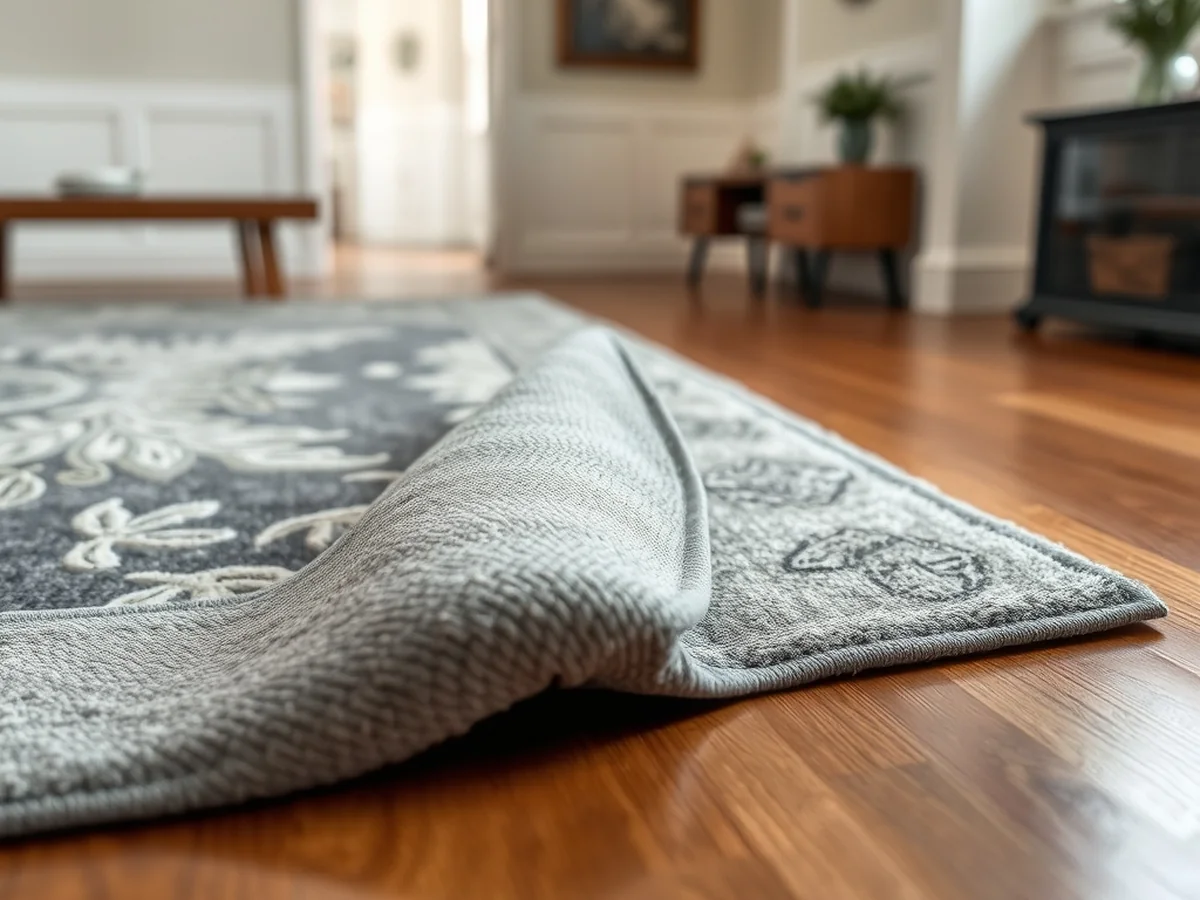
Rug backing serves as a critical protective layer between your floor and the underside of your chosen fabric. It prevents the abrasive friction that occurs when dining chairs are pushed back, shielding hardwood surfaces from permanent scratches and finish wear. Because dining areas involve constant movement, the backing acts as a barrier that absorbs the repetitive impact of chair legs.
Stability and Floor Protection
Beyond surface protection, a proper rug pad is essential for stability. It is common guidance that these pads help reduce shifting of rugs that are not anchored by heavy furniture. In a busy dining area where chair movement is frequent, this extra grip prevents the rug from bunching up or sliding across the floor during a meal. Without a pad, the rug may ripple under the weight of a chair, creating a tripping hazard and increasing the risk of the rug fibers catching on furniture legs.
Material Considerations for Backing
When selecting your floor covering, you will notice distinct differences between synthetic backings and natural materials. Synthetic options, such as latex or PVC, are often designed for maximum grip and moisture resistance, which is helpful if you anticipate spills. These manufactured backings are generally more durable in high-traffic zones because they maintain their shape and friction properties over time. In contrast, natural materials like cotton or woven jute backings offer a different experience. While they are often more breathable, they may provide less traction than their synthetic counterparts. Some natural backings are softer, which feels premium underfoot, but they might require a separate non-slip underlay to ensure they stay securely in place.
Evaluating Rug Backing Types
| Backing Type | Best Feature | Practical Consideration |
|---|---|---|
| Synthetic (Latex/PVC) | High traction and moisture barrier | Provides the most stability for high-traffic dining |
| Natural (Cotton/Jute) | Breathability | May require an additional rug pad to prevent sliding |
Ultimately, a high-quality rug pad acts as a universal buffer regardless of the backing type. For those seeking the best material for dining room rugs, prioritize options that allow chair legs to glide without snagging. Always check that the backing does not contain chemicals that could react with hardwood floor finishes over time.
Cleaning and Maintenance Strategies
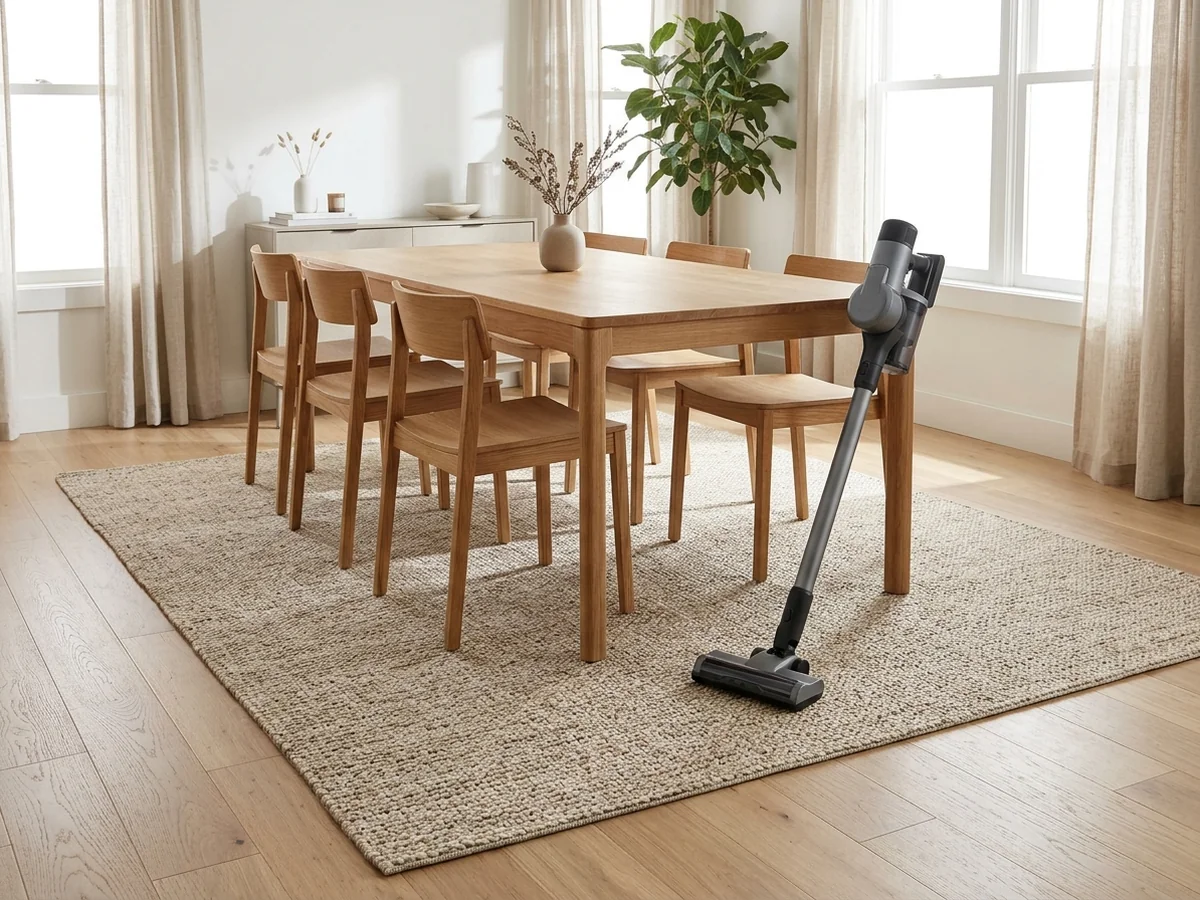
Maintaining the appearance of your flooring foundation involves consistent care and proactive steps to mitigate daily wear. To keep your space looking fresh and functional, follow these essential maintenance practices:
- Rotate your floor covering every few months to ensure even wear patterns, as this prevents specific areas from thinning prematurely due to consistent chair movement.
- Address spills immediately by blotting the affected area with a clean cloth, as rapid response prevents liquids from penetrating deep into the fibers.
- Place your setup away from harsh, direct sunlight to avoid irreversible fading of vibrant colors or structural degradation of natural fibers.
- Incorporate high-quality rug pads underneath your floor covering to provide extra cushioning and reduce the friction that leads to edge curling and shifting of rugs that are not anchored by heavy furniture.
- Vacuum your chosen piece regularly to remove trapped dust and grit, which can act like sandpaper on fibers if left to accumulate under heavy furniture.
Managing Fiber Performance
Selecting easy to clean dining room rugs starts with understanding your specific lifestyle needs. Synthetic options like nylon often offer a higher tolerance for household accidents compared to natural fibers. Wool is a natural fiber suitable for high traffic spaces due to its stain resistance and ability to spring back into shape after being compressed by chair legs. When choosing the best material for dining room rugs, prioritize constructions that do not trap debris easily, as this makes routine suction cleaning much more effective. If you have a busy household, focusing on low pile rugs for dining area setups ensures your dining space remains both stylish and practical.
Friction and Chair Movement
The interaction between chair legs and your rug is a critical maintenance consideration. High friction surfaces can cause snagging, while excessively loose weaves may bunch up during daily use. Flatweave rugs for dining table areas are often preferred because their tight, low profile construction allows chairs to glide smoothly without catching. While jute rug pros and cons dining room discussions often highlight the organic aesthetic, consider that natural sisal or jute fibers can be more difficult to spot clean than synthetic alternatives. Always check the binding, as cotton or leather edges can provide structural support that keeps the rug perimeter from curling over time.
Sizing Your Dining Rug
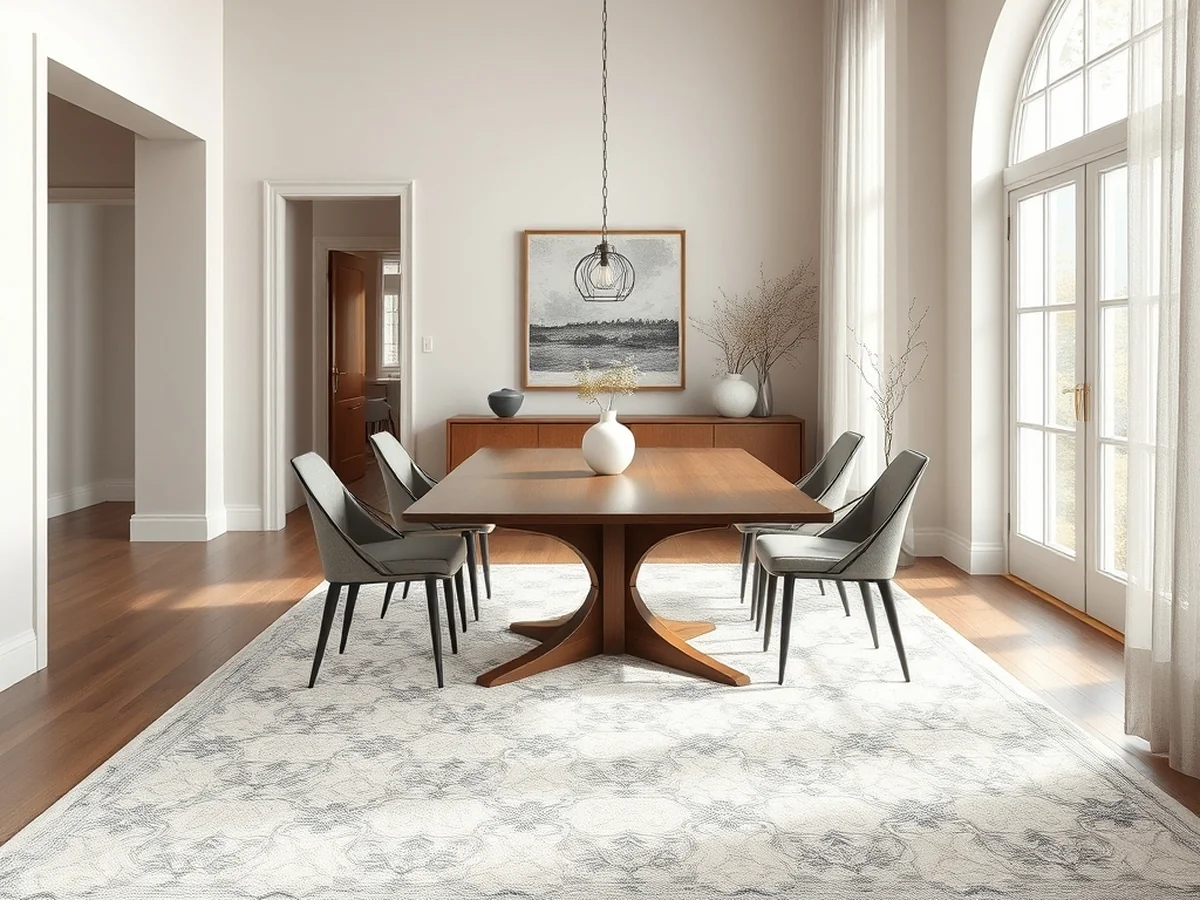
A properly sized rug creates a functional foundation that allows chairs to slide in and out without catching on the edges. When you evaluate dining room rug materials, the dimensions of the piece are just as important as the weave or fiber content for ensuring daily usability.
Measuring for Rectangular and Square Tables
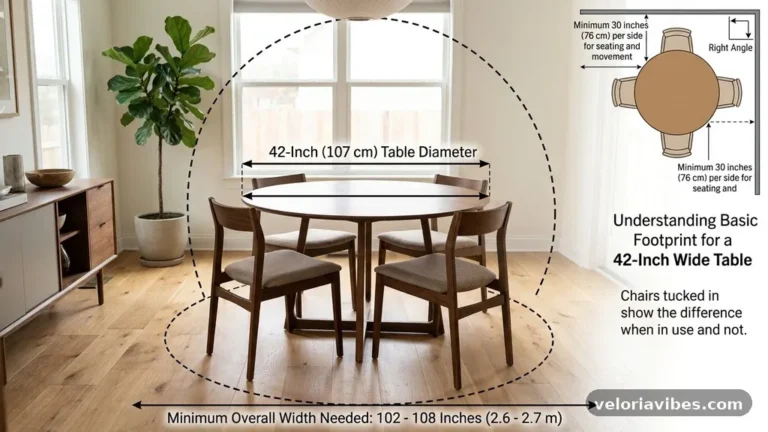
Common guidance suggests that rugs should extend at least 3 to 4 feet beyond each side of your rectangular or square table. This extra space ensures that when a guest pushes their chair back to stand up, the back legs of the chair remain entirely on the rug surface. If the rug is too small, the chair legs will constantly snag or trip on the rug edge, which is both frustrating and a potential safety hazard. When selecting a material for your dining area, consider how the weave affects this friction; low pile rugs for dining area setups generally offer the smoothest transition for chair casters or legs.
Balancing Circular Arrangements
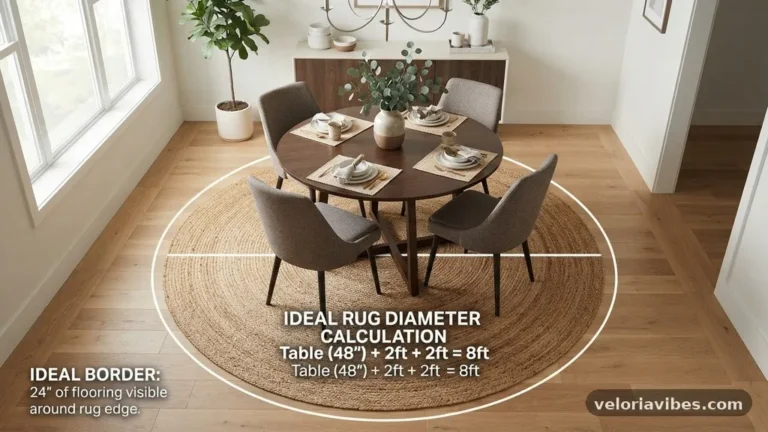
For those with circular dining furniture, the rule of thumb shifts slightly to maintain visual and functional balance. Common guidance suggests that round tables should be paired with round rugs that extend at least two feet beyond the table diameter. This diameter allowance provides enough clearance for chairs to remain grounded on the rug while keeping the arrangement symmetrical and visually pleasing. If you are struggling with spatial constraints, focus on finding easy to clean dining room rugs that provide this buffer without overwhelming the floor plan.
Securing Your Foundation
Once you have determined the ideal size, stability becomes the next priority. Even with the correct dimensions, rugs can shift during routine use, especially on hardwood or tile floors. Rug pads help reduce shifting of rugs that are not anchored by heavy furniture. This is particularly relevant when using flatweave rugs for dining table areas, as these thinner profiles are more susceptible to bunching. By ensuring the rug is wide enough to accommodate the full footprint of your chairs while occupied and pulled out, you prevent the common issue of uneven chair placement. This creates a smooth experience that makes your dining space feel cohesive and well designed.
Common Material Selection Mistakes
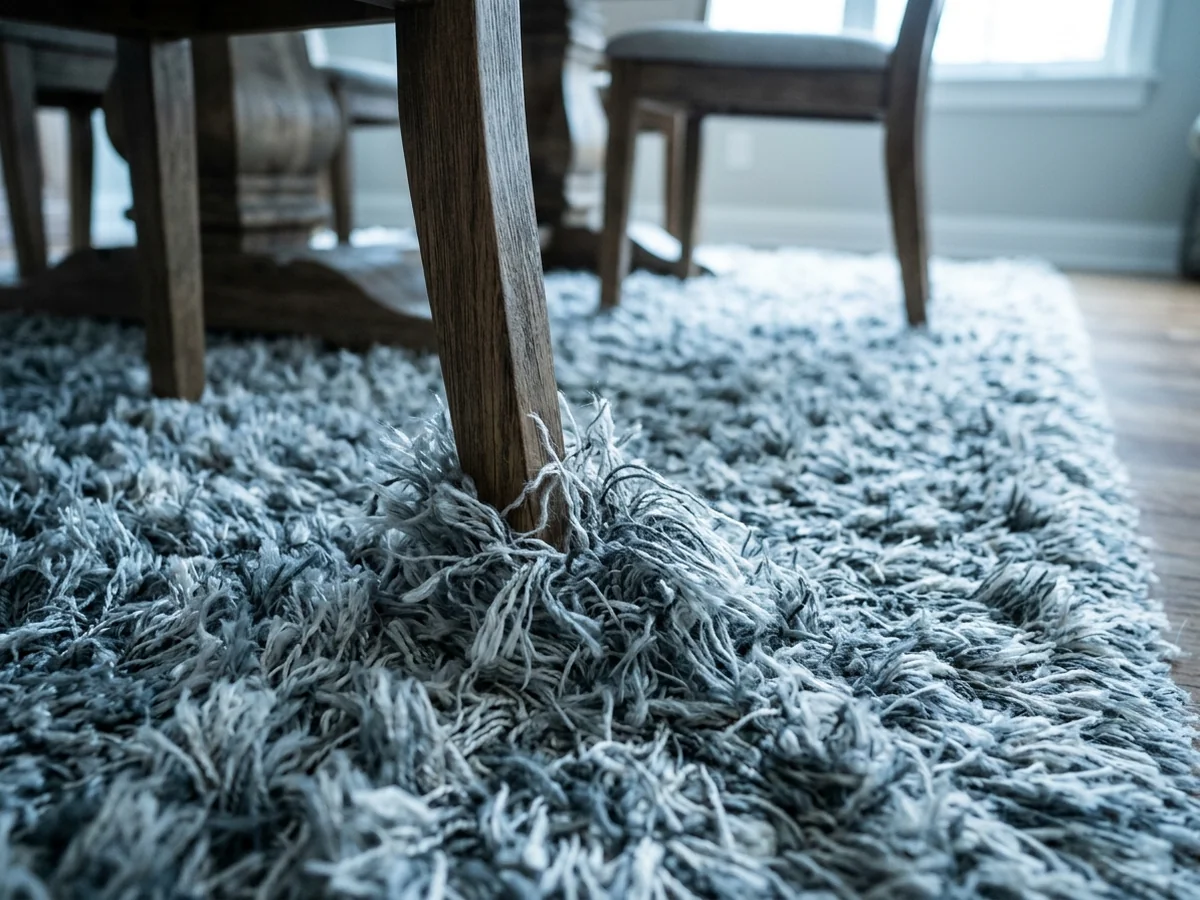
Selecting the wrong floor covering for a dining area often results in frustrating chair movement, hidden messes, and permanent damage from spills. Avoiding these common errors ensures your space remains both functional and easy to maintain.
- High-pile carpets should be avoided because they trap crumbs, food debris, and dust, making routine cleaning difficult.
- Choosing an undersized rug creates a hazard by causing chair legs to catch on the edge every time someone sits down or stands up.
- Delicate or non-washable materials are unsuitable for high-spill zones, as they often permanently stain when food or drinks are dropped.
- Failing to use a rug pad helps reduce shifting of rugs that are not anchored by heavy furniture, which can lead to tripping or potential damage to your hardwood floors.
- Ignoring the density of the weave can result in a surface that bunches up, creating uneven friction that makes sliding chairs across the floor a constant struggle.
For the best dining room rug materials, common guidance suggests focusing on options that provide a smooth, stable surface. High-pile options create too much resistance for chair legs, forcing you to lift the furniture rather than sliding it effortlessly. This movement not only becomes a daily nuisance but also increases the physical toll on your rug fibers over time.
Size is just as critical as the material itself. It is typical practice to select a floor covering that extends between 3 and 4 feet past the edge of the table on every side, allowing enough room for chairs to be pulled out comfortably. If you have a round table, common guidance is to use a round rug that extends at least two feet beyond the table diameter to maintain a consistent clearance for guests.
Finally, consider how your choice handles the inevitable spill. Wool is a natural fiber often favored for high-traffic spaces because of its natural stain resistance and ability to spring back into shape. In contrast, choosing a material that cannot be easily cleaned or spot-treated often leads to premature replacement. Always prioritize low-profile, durable textures that allow for both seamless chair operation and simple, quick maintenance.
FAQ
What is the best material for a dining room rug?
Wool is widely considered the best material for a dining room rug due to its natural stain resistance and durability. It stands up well to high traffic and has a natural ability to spring back into shape after being compressed by chair legs.
What is the best type of rug to use under a dining table?
Low-pile or flatweave rugs are the most practical choices for a dining area because they minimize friction when sliding chairs in and out. These styles provide a level surface that prevents chair legs from catching on fibers, making them easier to manage than thick, high-pile options.
How do I stop my dining room rug from sliding?
Using a high-quality rug pad is the most effective way to keep your rug in place and prevent it from bunching up. A proper pad also protects your flooring underneath and provides extra cushioning that can extend the life of your chosen dining room rug materials.
Is it a good idea to put a rug in my dining room?
Adding a rug to your dining room is a great way to define the space and protect your floors from scratches. As long as you choose a durable material and ensure the rug is large enough to accommodate chairs even when they are pulled out, it remains a functional and stylish choice.
How much space should a rug cover in a dining area?
Common guidance suggests leaving enough room for chairs to slide out without catching, which typically means the rug should extend between 3 and 4 feet past the perimeter of the table. For round tables, it is standard practice to use a round rug that extends at least two feet beyond the edge of the table diameter.
Conclusion
Selecting the right flooring foundation requires balancing physical durability with the functional need for smooth chair movement. Your final choice should prioritize fibers that withstand high-traffic use while offering a surface texture that allows chairs to glide without catching or bunching. When evaluating various dining room rug materials, consider how the density of the weave interacts with your specific table and chair weight. Once you have determined your preferred texture, verify your dimensions by ensuring the rug extends at least three to four feet beyond the table edges for optimal chair clearance. Investing in a quality rug pad remains the most effective step to anchor your chosen rug and prevent shifting during daily use.
You might also like: Minimum Room Width Needed to Accommodate a 42-Inch Wide Dining Table