How Many Chairs Can Comfortably Fit Around a 60-Inch Round Dining Table?
Introduction to Space Planning for Circular Dining
Arranging chairs around 60 inch round table layouts often presents spatial planning challenges for homeowners trying to balance a modern everyday aesthetic with practical ergonomics. Figuring out exact furniture arrangements requires careful calculation of table edge per person and room clearance.
This guide covers how furniture dimensions and chair styles influence your dining room layout. You will learn precise capacity limits, room clearance requirements, and base types to achieve a functional arrangement.
Standard Spacing for 60-Inch Tables
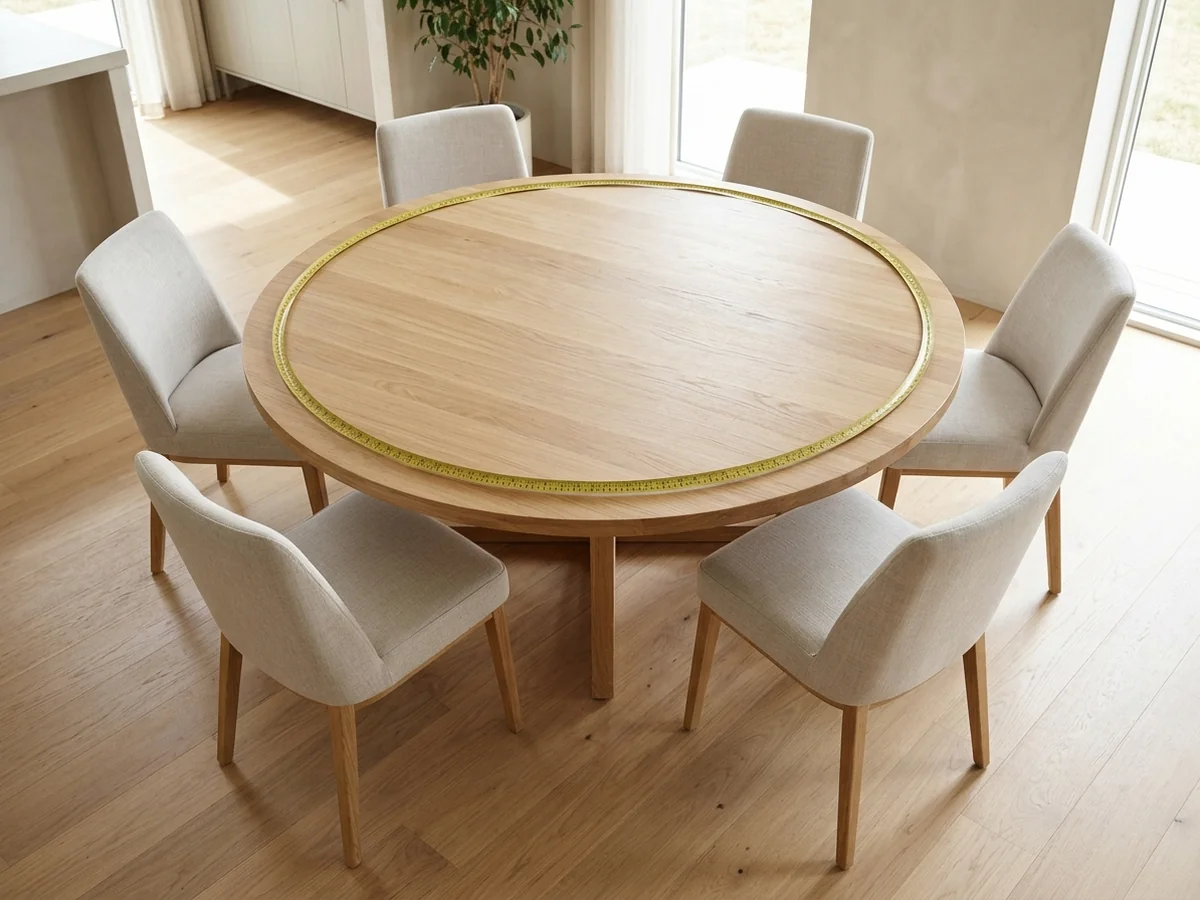
Determining comfortable seating for a 60 inch round dining table relies on measuring the outer perimeter and applying industry design guidelines. Common guidance notes that the circumference of a 60-inch round table is approximately 188 inches. That total distance governs how many chairs around 60 inch round table setups can physically fit without guests crowding one another. Space planning standards help balance maximum capacity with everyday dining ergonomics.
Dining design standards typically recommend 24 inches of table edge per person. This measurement provides enough elbow room for each guest to eat comfortably. Dividing the total perimeter by this individual allowance creates baseline seating space per person dining table calculations. However, practical factors like chair dimensions and place setting density quickly alter this mathematical ideal.
Common guidance indicates that eight people can fit at a 60-inch round table using slim, armless furniture. Selecting the right dining chair width is critical here because bulky armchairs reduce that capacity quickly. When chairs are too wide, their frames overlap along the table edge perimeter, forcing guests to bump elbows and compromise their personal dining space.
Understanding how furniture construction affects your layout requires looking at the support structure beneath the surface. A pedestal table base offers more flexible legroom than a four-leg design because table legs can interfere with chair placement and limit how many seats tuck cleanly under the top. For larger gatherings requiring ten people, common guidance suggests stepping up to a 72-inch round table instead of crowding a smaller surface.
Comfortable Seating Capacity Options
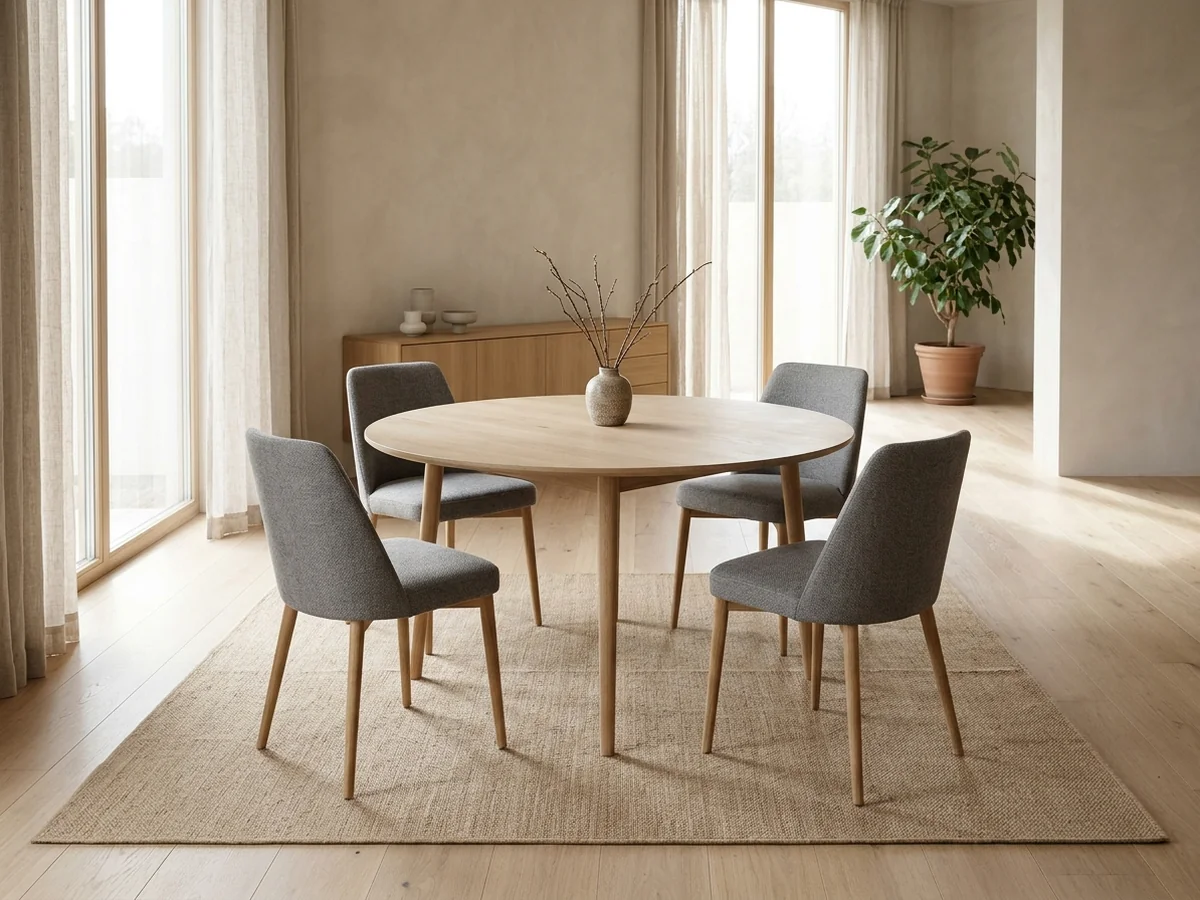
Arranging seating around furniture requires balancing personal elbow room with overall table perimeter limits. Common interior planning practices note that dining design standards recommend 24 inches of table edge per person, which directly dictates how many guests can sit without crowding. Because the circumference of a 60-inch round table is approximately 188 inches, physical space gets tight once you scale up beyond a moderate headcount, making space planning essential for successful dining room layouts.
When evaluating how many chairs around 60 inch round table setups can accommodate, the width of the seating matters significantly. Everyday setups usually prioritize relaxed ergonomics by using standard side chairs that leave generous gaps between diners. Formal arrangements often introduce bulkier armchairs, reducing the available edge space and crowding the center of the surface. Selecting the right dining chair width prevents guests from bumping elbows during meals.
To better understand how different configurations affect your dining room, consider the following layout impacts:
| Seating Setup | Chair Style | Perimeter Allocation | Usable Surface Impact |
|---|---|---|---|
| Casual Everyday | Standard Side Chairs | Generous spacing | High plate density |
| Formal Dining | Bulkier Armchairs | Limited overlap | Crowded centerpieces |
| Maximum Capacity | Slim Armless Chairs | Tightly packed | Minimal serving space |
Practical steps for maximizing your layout involve balancing guest comfort with table edge perimeter limits. While eight people can fit at a 60-inch round table using slim, armless chairs, doing so requires careful place setting density management to preserve room for serving dishes and glassware. If your gathering regularly exceeds this threshold, design guidelines suggest that a 72-inch round table is recommended for seating 10 people comfortably without sacrificing ergonomics.
A common mistake when planning a 60 inch round dining table capacity is ignoring the table base construction. A pedestal table base often allows for more flexible leg placement than traditional four-leg designs, which can restrict where chairs slide in. Failing to account for chair width alongside your chosen pedestal vs leg table base seating configuration frequently leads to a cramped dining experience. By measuring your chairs and calculating your perimeter allocation ahead of time, you can create an inviting space that balances seating space per person dining table requirements with effortless style.
Chair Width and Table Fit
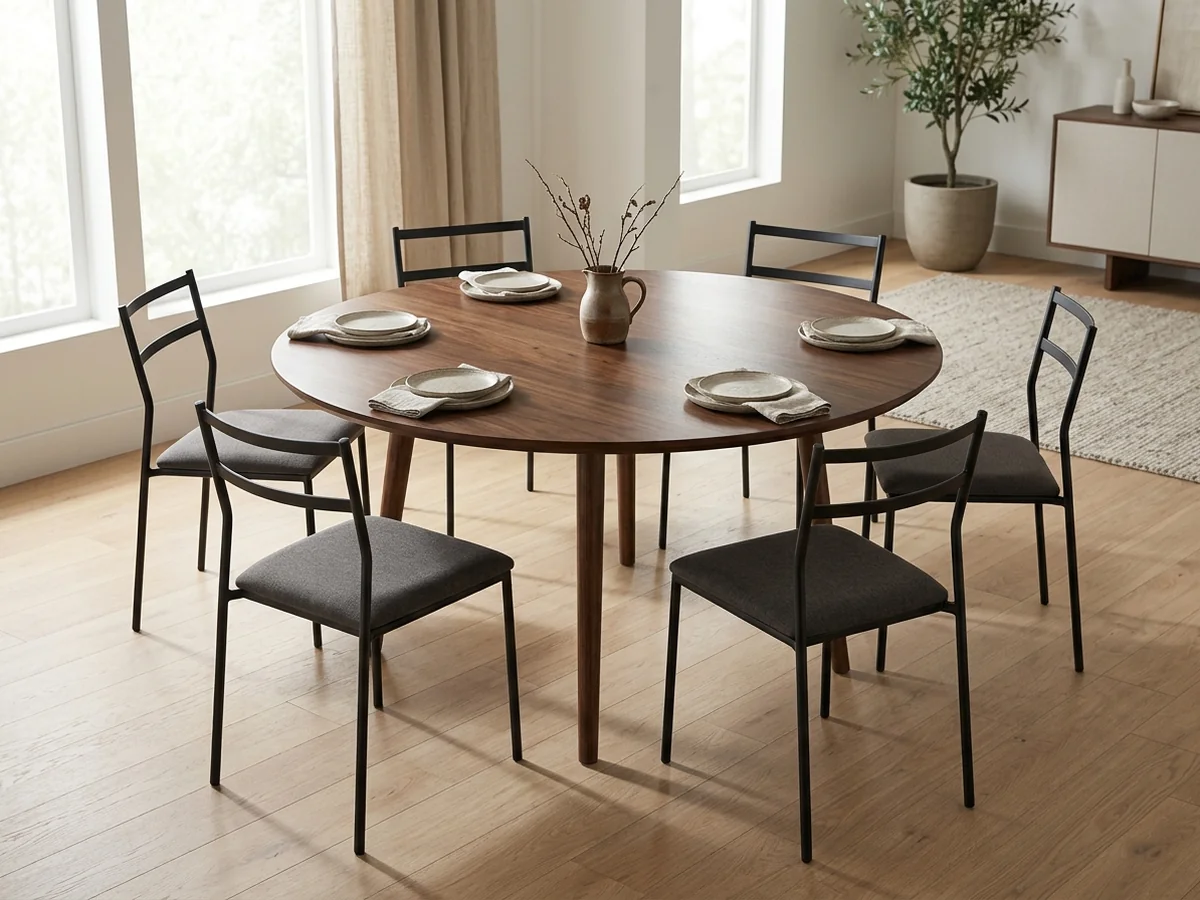
Dining chair width directly dictates elbow room, physical contact, and overall guest comfort around any furniture piece. When evaluating options for chairs around 60 inch round table setups, physical dimensions change everything about how many guests you can host. Common guidance indicates that individuals need adequate perimeter space to eat without knocking elbows with their neighbors, making proper space planning standards essential for a successful layout.
Industry guidelines show that the circumference of a 60 round table is approximately 188 inches. When applying typical dining design standards, professionals recommend allocating 24 inches of table edge per person to maintain proper ergonomics during meals. However, your choice of seating style alters these calculations significantly. Armchairs feature bulky frames and built-in armrests that consume excess horizontal space, often causing seats to collide beneath the top and reducing your maximum capacity. In contrast, side chairs offer a compact, streamlined profile that preserves valuable inches between adjacent guests.
To achieve the best results when planning your layout, consider the following practical steps and common mistakes:
- Measure the widest part of your chosen dining chairs, including any flared legs or thick upholstery, rather than just the seat cushion, because bulkier frames reduce the total number of seats you can squeeze into a tight circular arrangement.
- Stick strictly to slim, armless designs if you want to maximize your surface capacity, as common guidance shows that eight people can fit at a 60-inch round table using these space-saving profiles.
- Avoid mixing oversized host chairs with standard side chairs on smaller perimeters, since mismatched widths create uneven spacing and lead to cramped dining conditions.
- Test the pull-out clearance and leg spacing before finalizing your furniture purchase to ensure guests can sit down and stand up easily without bumping into adjacent seats.
Base Types Affecting Legroom
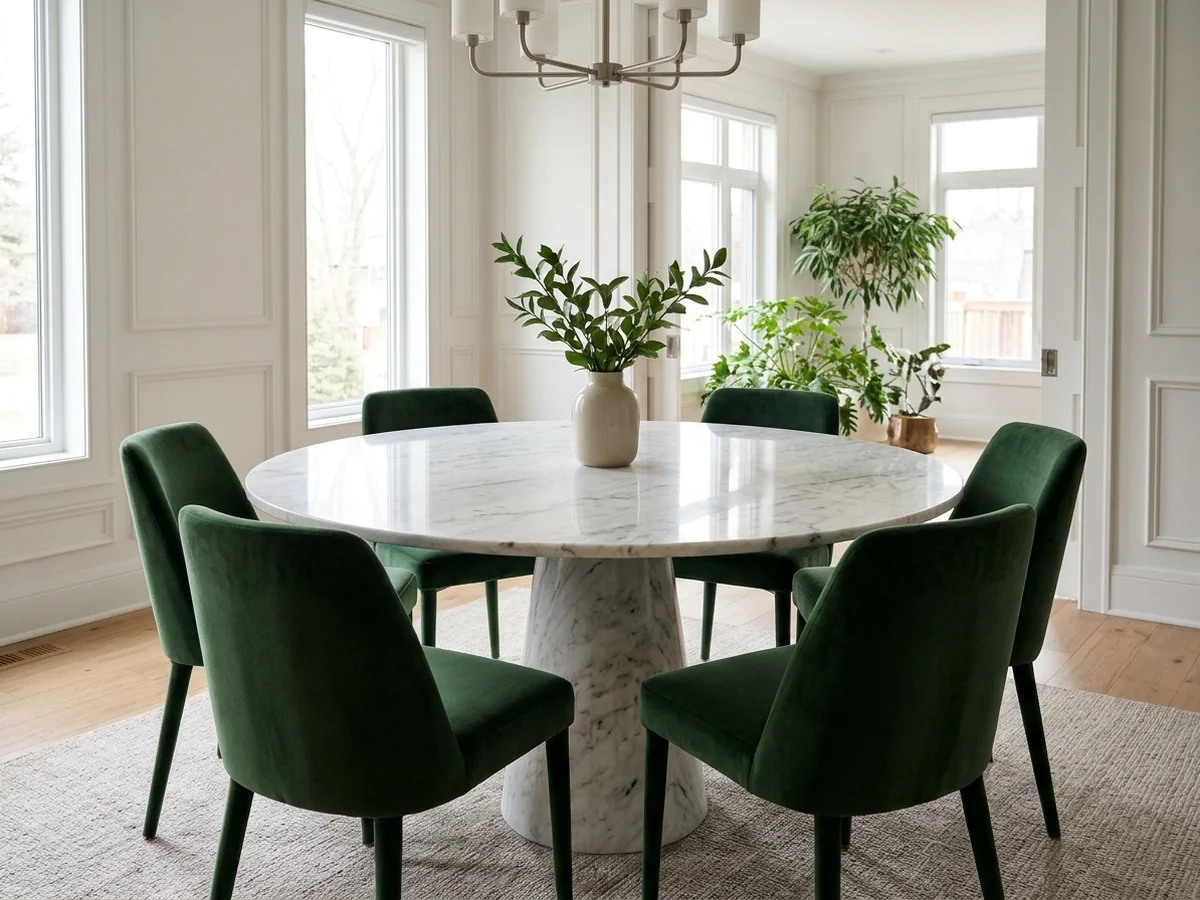
Choosing between a pedestal table base and a traditional four-leg design directly alters how comfortably your guests can sit and move their legs around a 60 inch round dining table. Pedestal styles keep central supports tucked safely underneath, which leaves the entire perimeter open for flexible seating arrangements without structural interference.
Traditional four-leg models restrict placement because wooden posts block certain angles. When legs interfere with chair positioning, diners often bump their knees or cannot slide their seats inward properly. This lack of flexibility breaks standard space planning rules and forces an awkward posture during long meals. A common mistake in dining room design is ignoring the width of your chosen dining chair width, which compounds the restrictions of a four-legged frame.
Using a pedestal table base eliminates these physical barriers entirely. Central supports maximize placement flexibility for seats because no vertical posts interrupt the space beneath the table edge perimeter. Diners enjoy complete freedom of movement, making it much easier to squeeze an extra guest into the arrangement when hosting dinner parties. When planning your layout, understanding pedestal vs leg table base seating helps you balance visual aesthetics with physical comfort and proper ergonomics for everyday use.
Comparing Other Round Table Sizes
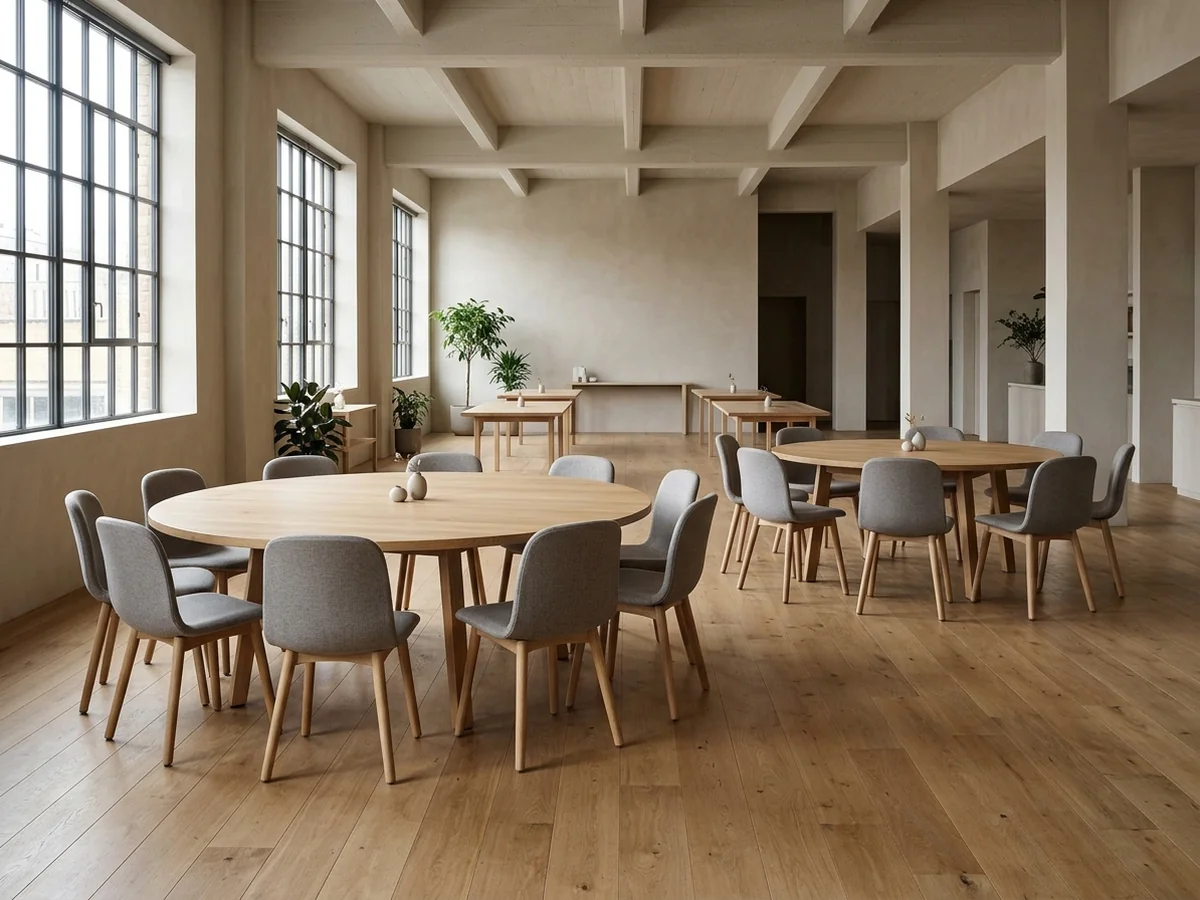
Upgrading to a larger dining surface works much better than squeezing extra seating around a smaller layout when hosting eight to ten guests on a regular basis. Common guidance suggests that a 72-inch round table is recommended for seating 10 people comfortably without crowding your guests. While eight individuals can fit at a 60-inch round table using slim, armless chairs, pushing that same setup to ten people creates severe elbow crowding. Evaluating alternative dimensions helps homeowners decide if purchasing new furniture is a smarter choice than cramming more seats into a tight space.
| Table Diameter | Table Circumference | Recommended Seating Capacity |
|---|---|---|
| 60 inches | Approximately 188 inches | Up to 8 people with slim chairs |
| 72 inches | Approximately 226 inches | Recommended for 10 people |
Choosing between upgrading your furniture and forcing extra seats into your dining room comes down to available floor area and hosting frequency. If you only host large dinner parties once a year, keeping your current layout and utilizing slim profiles works fine. Frequent hosts benefit significantly from investing in a larger surface because it maintains proper spacing standards and prevents guests from feeling restricted during meals.
Dining Room Clearance Requirements
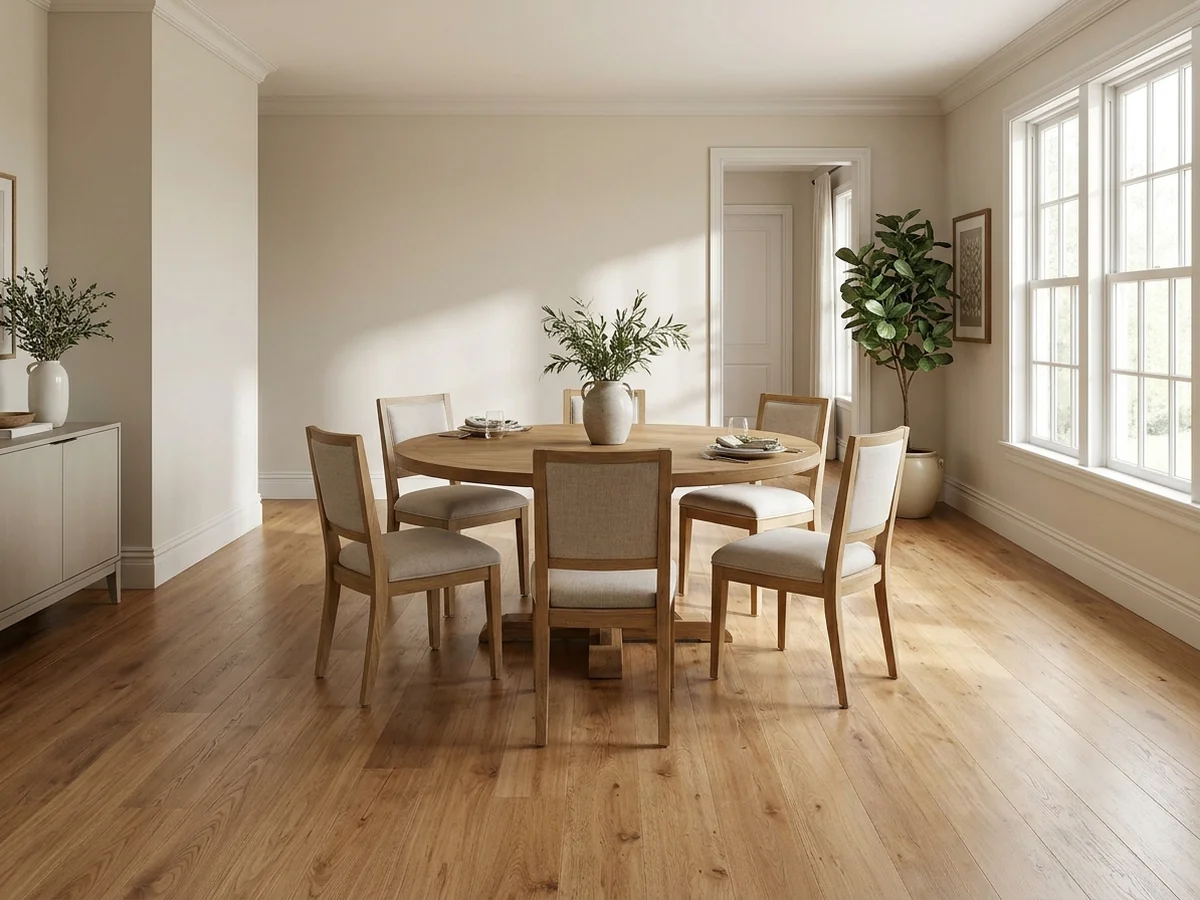
Proper dining room clearance for round tables requires leaving enough empty space around the perimeter so guests can pull their seats out and walk past comfortably. When evaluating the necessary distance between the outer edge of the dining surface and any surrounding architectural barriers or walls, interior design professionals typically recommend leaving adequate footage to ensure the room stays open, safe, and easy to navigate during meals.
Creating functional traffic flow in modern dining spaces means accounting for both chair pull-out depth and general walking paths behind seated guests. If your furniture layout sits too close to a wall, a sideboard, or a doorway, people will bump into household surfaces whenever they try to stand up or sit down.
Understanding the numbers behind your furniture layout prevents common space planning mistakes. A frequent error in home decor is measuring only the furniture footprint while ignoring the extra perimeter needed for human movement. To achieve proper ergonomics, measure the total diameter of your surface and add at least three to four feet of clear walkway on all sides. This extra distance accommodates chairs moving backward and allows servers to walk smoothly around the table without disturbing seated guests.
Visualizing Chair Ratios
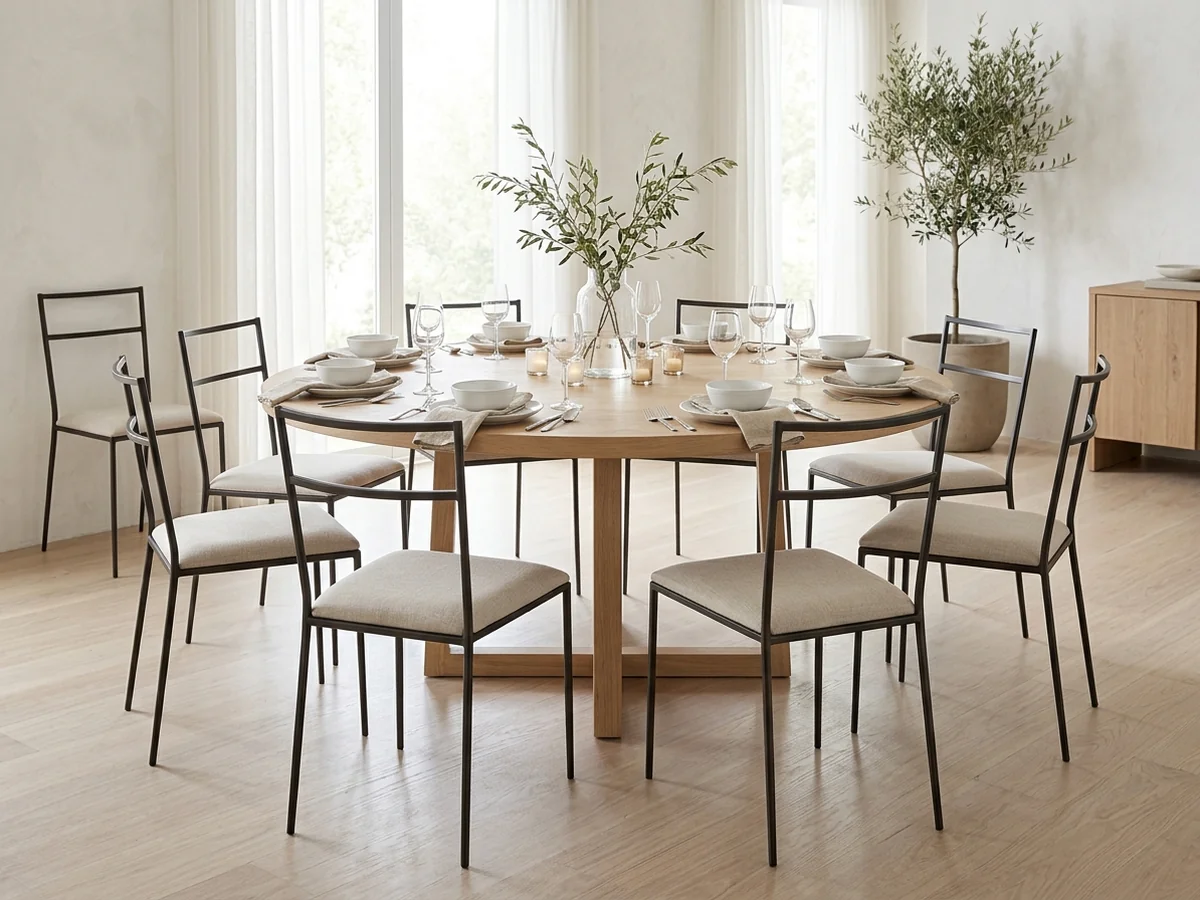
You can optimize the number of seats at your table by carefully selecting chair styles that match the available perimeter. While common guidance suggests allowing 24 inches of table edge per person, the physical width of your seating choices dictates whether a space feels airy or crowded.
Bulky parsons chairs with upholstered backs create significant visual weight, often making a room feel smaller and limiting how many guests can comfortably sit side-by-side. In contrast, slim bistro chairs with open backs or metal frames occupy less visual space, allowing you to maximize the table edge perimeter without the area appearing cluttered.
Balancing these aesthetic choices with practical furniture proportions is essential for functional design. If you prefer high-backed or wide-seated chairs, you should expect to reduce the total number of guests to maintain enough elbow room. Opting for armless designs is a reliable way to ensure everyone has enough space to pull in and out without bumping into neighbors.
Proper floor care and rug placement also enhance the overall look of your dining arrangement. For a 60-inch round surface, choose an area rug at least 8 feet in diameter. This size ensures that chairs remain on the rug even when pushed back from the table. To protect your flooring from constant movement, use felt pads on the bottom of all chair legs. This simple step prevents scratches and allows furniture to glide smoothly across hardwood or tile surfaces.
- Select armless, slim-profile chairs to increase seating capacity.
- Prioritize an 8-foot round rug to keep chairs level and stable during use.
- Apply high-quality felt glides to all chair feet to safeguard floors.
- Measure the widest point of your chairs to ensure they fit within the circumference of your table.
Seating Capacity and Space Planning
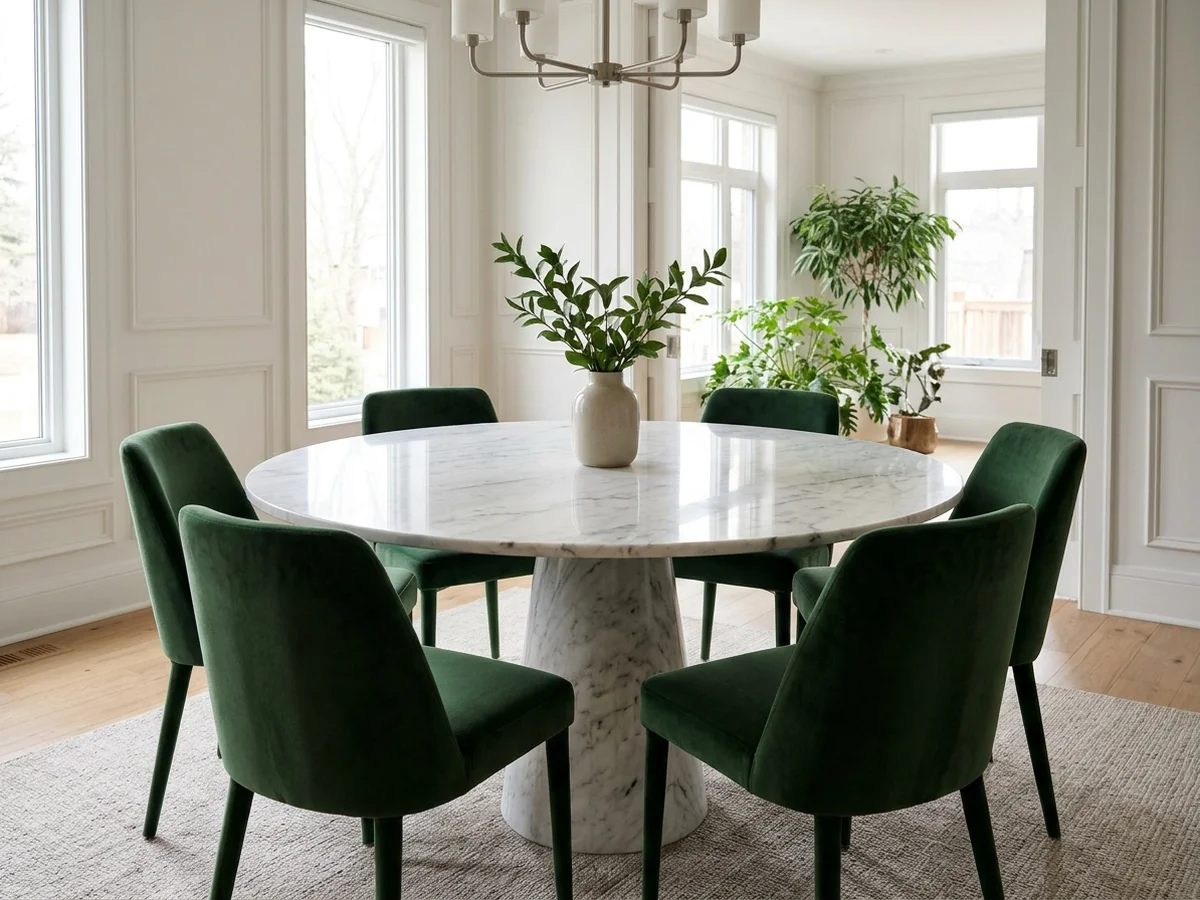
A 60-inch round dining table typically accommodates six people for comfortable everyday dining. Design professionals generally recommend allocating 24 inches of table edge perimeter per person to ensure guests have enough elbow room during a meal. With a circumference of approximately 188 inches, this size provides a balanced footprint for standard social settings.
The width of your dining chairs significantly impacts how many people fit around the table. Bulky chairs with wide frames or armrests consume more of the table edge, effectively reducing the number of guests who can sit comfortably without bumping elbows. Opting for slim, armless chairs maximizes the available space, which is why eight people can often fit at a 60-inch round table if the chairs are narrow.
Choosing between a pedestal and a four-leg table base changes how you position your seating. A pedestal table base is often superior for maximizing capacity because it eliminates corner legs that restrict where chairs can be placed. In contrast, a four-leg table may limit your arrangement, as guests seated near the legs might feel cramped or have trouble pulling their chairs in close.
While you can potentially squeeze more guests into a tighter configuration, attempting to seat nine or ten people at a 60-inch table is rarely recommended. This density makes for an uncomfortable experience with limited plate space and restricted movement. For larger groups of ten or more, industry guidance typically suggests moving up to a 72-inch round table to maintain proper ergonomics.
To ensure a functional dining room, plan for at least 36 inches of clearance from the edge of the table to the nearest wall or furniture. This allows enough room for guests to pull their chairs out and walk behind them comfortably.
Frequently Asked Questions About Round Table Seating
Can I fit 8 people at a 60-inch round table?
Eight people can fit at a 60-inch round table if you select slim, armless chairs to save space. Be aware that this seating arrangement will feel more intimate and offer less individual elbow room than a six-person setup.
Does chair width change the seating capacity?
Yes, chair width is the primary factor that determines how many chairs around 60 inch round table units will actually fit. Wider chairs with armrests will fill the available perimeter quickly, whereas narrow side chairs allow for a higher seating count.
Are pedestal tables better for seating?
Pedestal tables are generally better for seating because they remove leg obstructions at the perimeter of the table. This design allows you to tuck chairs in anywhere around the circumference without worrying about hitting table legs.
How much space do I need around my dining table?
You should allow for a minimum of 36 inches of clearance from the table edge to any wall or obstacle. This provides sufficient room for pulling out chairs and walking around the table while guests are seated.
Is a 60-inch table big enough for 10 people?
A 60-inch round table is generally too small for 10 people to sit comfortably. Experts recommend a 72-inch round table if you frequently need to accommodate groups of that size.
Final Considerations for Your Dining Space
Arranging furniture around a circular table requires balancing the physical table edge perimeter with the specific dining chair width of your selected pieces. Using common guidance, designers typically allocate 24 inches of seating space per person to ensure guests have enough elbow room during meals. Prioritizing comfort means choosing chairs that allow for easy movement without crowding, especially when using armchairs that consume more horizontal space. Maintaining adequate clearance around the perimeter of the table ensures the room remains functional and visually balanced.
Conclusion
When finalizing your floor plan, prioritize the physical dimensions of your seating over maximum capacity. Because dining design standards often suggest allocating 24 inches of table edge per person, calculating your specific needs based on the chair widths you select remains essential for a comfortable dining experience. While it is common practice to fit eight people using slim, armless chairs, always measure your available floor space and chair footprint carefully to ensure every guest has enough room to move.
You might also like: Minimum Room Width Needed to Accommodate a 42-Inch Wide Dining Table